
German and Ukrainian authorities have identified Oleg Evgenievich Nefedov as the leader of the Black Basta ransomware gang, adding him to Interpol's most-wanted list. The operation's technical specialists were also arrested, revealing the group's sophisticated initial access methods.
The international hunt for one of the world's most prolific ransomware operators has reached a new milestone. German and Ukrainian law enforcement have officially identified Oleg Evgenievich Nefedov, a 35-year-old Russian national, as the leader of the Black Basta ransomware gang, and have added him to Interpol's "Red Notice" list and Europol's "Most Wanted" list.
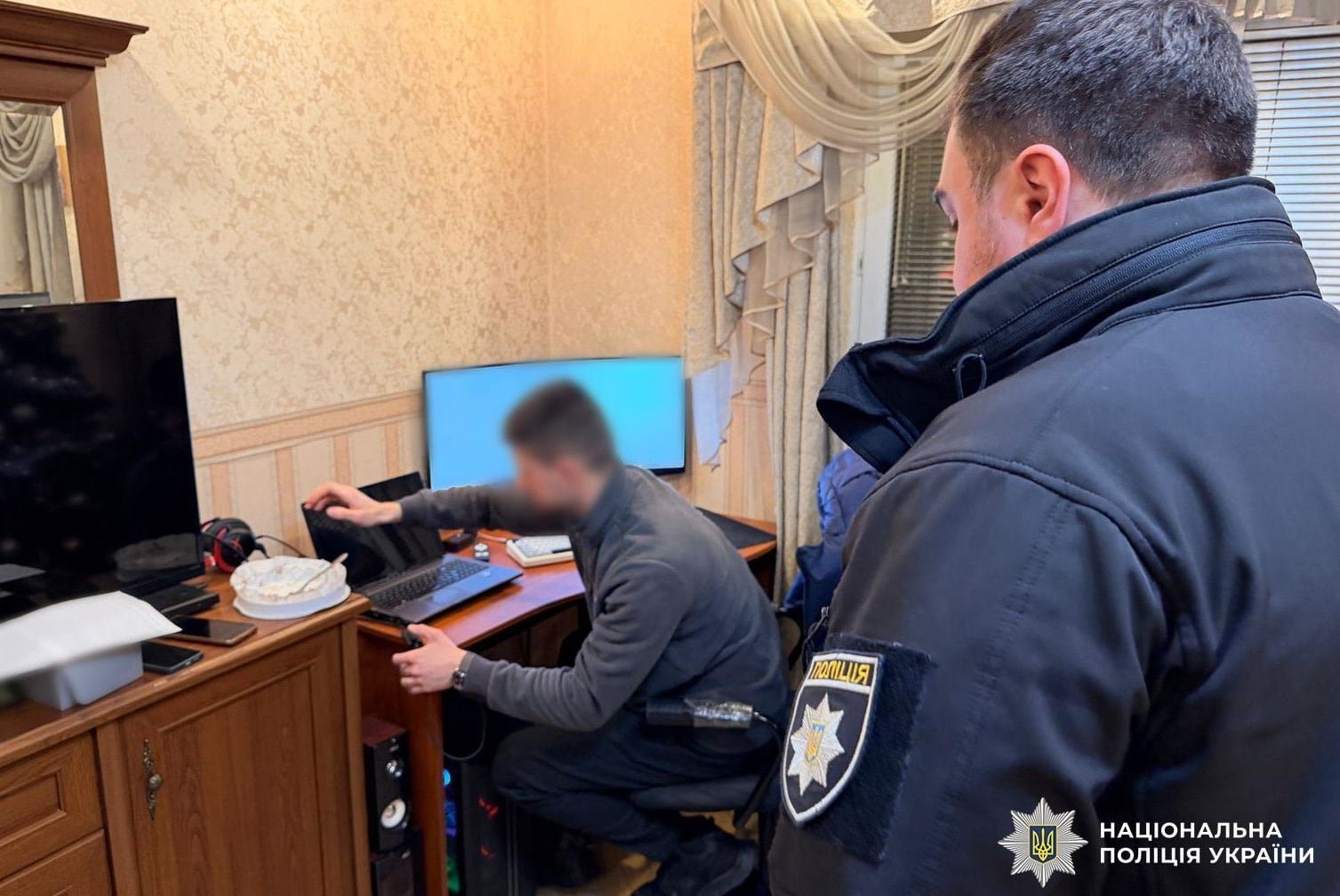
This development follows a coordinated investigation between Germany's Federal Criminal Police Office (BKA) and Ukraine's cyberpolice, which also resulted in the arrest of two additional suspects allegedly involved in the ransomware operation. The arrests highlight the increasingly collaborative nature of international cybercrime investigations and the specific technical roles that enable large-scale ransomware attacks.

The Technical Specialists Behind Initial Access
The two suspects arrested in Ukraine specialized in what law enforcement describes as "hash cracking" and initial network access. According to Ukraine's cyberpolice, these individuals "technically breached protected systems and were involved in preparing ransomware-based cyberattacks." Their role involved using specialized software to extract passwords from information systems, then using those credentials to breach internal corporate networks and escalate privileges.
This technical specialization represents a critical component of modern ransomware operations. Rather than conducting all attack phases themselves, ransomware-as-a-service (RaaS) operations like Black Basta typically employ specialists for different attack stages. The initial access brokers focus on reconnaissance, credential theft, and privilege escalation, creating the foundation for the ransomware deployment phase.
During raids at two locations in Ukraine's Ivano-Frankivsk and Lviv regions, police seized digital storage devices and cryptocurrency assets. The seizure of cryptocurrency is particularly significant, as it provides potential evidence of payment flows and could help trace ransomware proceeds through blockchain analysis.
From Conti to Black Basta: A Criminal Lineage
Nefedov, who operated under multiple aliases including "tramp," "tr," "gg," "kurva," "AA," "Washingt0n," and "S.Jimmi," has been linked to Black Basta since February 2024, when a massive leak of over 200,000 chat messages between gang members provided unprecedented insight into the operation's internal communications.
Security researchers at Trellix analyzed these leaked conversations and found compelling evidence connecting Nefedov to the Conti ransomware syndicate, which emerged in 2020 as a successor to Ryuk before shutting down in 2022. The leaked chats contained references to a "$10 million reward for information on 'tr' (possibly '-amp')," which researchers believe refers to the U.S. bounty for key Conti members, including the hacker known as "Tramp."
"In the leaked chat, GG was indeed identified as Tramp (Conti leader) by 'bio', (also known as 'pumba', another Conti member)," Trellix researchers concluded. This connection is significant because Conti, after its public dissolution following Russia's invasion of Ukraine, splintered into smaller cells that infiltrated or took over existing ransomware operations. Black Basta emerged in April 2022 and is widely considered a rebranding of the old Conti infrastructure and personnel.
Black Basta's Impact and Victim Profile
Since its emergence in April 2022, Black Basta has established itself as one of the most active and damaging ransomware operations globally. The group is believed to be responsible for at least 600 ransomware incidents, data theft, and extortion attacks targeting large organizations worldwide.
The gang's victim list reads like a who's who of major corporations and institutions:
- German defense contractor Rheinmetall - A critical supplier to the German military
- Hyundai's European division - Major automotive manufacturer
- BT Group (formerly British Telecom) - One of the UK's largest telecommunications providers
- U.S. healthcare giant Ascension - A major healthcare network with 140 hospitals
- Government contractor ABB - Global technology leader in electrification and automation
- American Dental Association - Professional organization for U.S. dentists
- U.K. tech outsourcing firm Capita - Major business process outsourcing company
- Toronto Public Library - Canada's largest public library system
- Yellow Pages Canada - Traditional directory service transitioning to digital
The diversity of victims demonstrates Black Basta's broad targeting strategy, which appears to focus on organizations with the financial capacity to pay substantial ransoms and the operational criticality that makes downtime particularly costly.
The Significance of International Cooperation
The identification and international listing of Nefedov represents several important trends in cybercrime enforcement:
Improved International Collaboration: The cooperation between German and Ukrainian authorities, culminating in Interpol involvement, shows how cybercrime investigations increasingly cross national boundaries. This is particularly challenging when suspects are in jurisdictions with limited extradition treaties or political complications.
The Value of Leak Analysis: The 2024 chat leak provided crucial intelligence that law enforcement could verify through traditional investigative methods. This demonstrates how cybercriminals' operational security failures can create opportunities for investigators.
Targeting the Leadership: While arrests of technical specialists are important, identifying and targeting the leadership structure is crucial for disrupting entire operations. Ransomware groups can often replace technical personnel, but leadership roles are harder to fill.
Cryptocurrency Tracing: The seizure of cryptocurrency assets during the raids suggests law enforcement is getting better at following the money, even when criminals use privacy-focused cryptocurrencies and mixing services.
Practical Implications for Organizations
For security professionals and organizations, this development offers several practical lessons:
Strengthen Initial Access Controls: The arrested suspects specialized in gaining initial access through credential theft and privilege escalation. Organizations should implement:
- Multi-factor authentication (MFA) across all accounts, especially privileged ones
- Regular password rotation and monitoring for compromised credentials
- Network segmentation to limit lateral movement
- Endpoint detection and response (EDR) solutions to detect initial compromise
Monitor for Known Threat Actor TTPs: Black Basta has established tactics, techniques, and procedures (TTPs) documented by security researchers. Organizations should:
- Review MITRE ATT&CK mappings for Black Basta
- Implement detection rules for known Black Basta indicators of compromise (IoCs)
- Conduct regular threat hunting exercises focused on ransomware threats
Prepare for Ransomware Scenarios: While prevention is ideal, organizations must have response plans:
- Maintain offline, immutable backups tested regularly
- Develop incident response playbooks for ransomware scenarios
- Establish relationships with law enforcement and incident response firms before an attack occurs
- Consider cyber insurance with ransomware-specific coverage
Stay Informed About Threat Actor Evolution: The Conti-to-Black Basta transition shows how ransomware groups rebrand and evolve. Security teams should:
- Subscribe to threat intelligence feeds
- Participate in information sharing groups (ISACs)
- Monitor security research from firms like Trellix, CrowdStrike, and Mandiant
The Ongoing Challenge
Despite this significant law enforcement success, the ransomware threat continues to evolve. The identification and international listing of Nefedov is a major step, but ransomware operations are often resilient. Leadership changes, technical specialist replacement, and operational rebranding are common survival strategies.
The Ukrainian police have been contacted for additional information about the operation, though no immediate comment was available. As this case develops, it will likely provide further insights into the structure and operations of modern ransomware gangs.
For organizations worldwide, the message is clear: ransomware remains a persistent and sophisticated threat requiring continuous investment in security controls, threat intelligence, and incident response capabilities. The arrest of technical specialists and identification of leadership represents progress, but the threat landscape continues to demand vigilance and preparedness.
Related Resources:
Comments
Please log in or register to join the discussion