
As Iran experiences severe internet disruptions with connectivity dropping to just 1% of normal levels, citizens are increasingly turning to satellite internet services like Starlink, decentralized messaging applications, and VPNs to maintain communication and access information.
Iranians are employing various technological workarounds to circumvent a comprehensive internet blackout that has reduced connectivity to just 1% of ordinary levels, according to measurements from NetBlocks, an internet monitoring organization. The blackout follows recent geopolitical tensions and appears to be a deliberate attempt by authorities to control information flow.
The situation has prompted citizens to adopt increasingly sophisticated methods to maintain connectivity. Satellite internet services, particularly Starlink, have emerged as a critical alternative for many Iranians seeking reliable internet access. Elon Musk's satellite internet constellation has become a go-to solution for regions experiencing traditional infrastructure disruptions, though its availability and accessibility in Iran remain technically challenging due to regulatory and logistical hurdles.
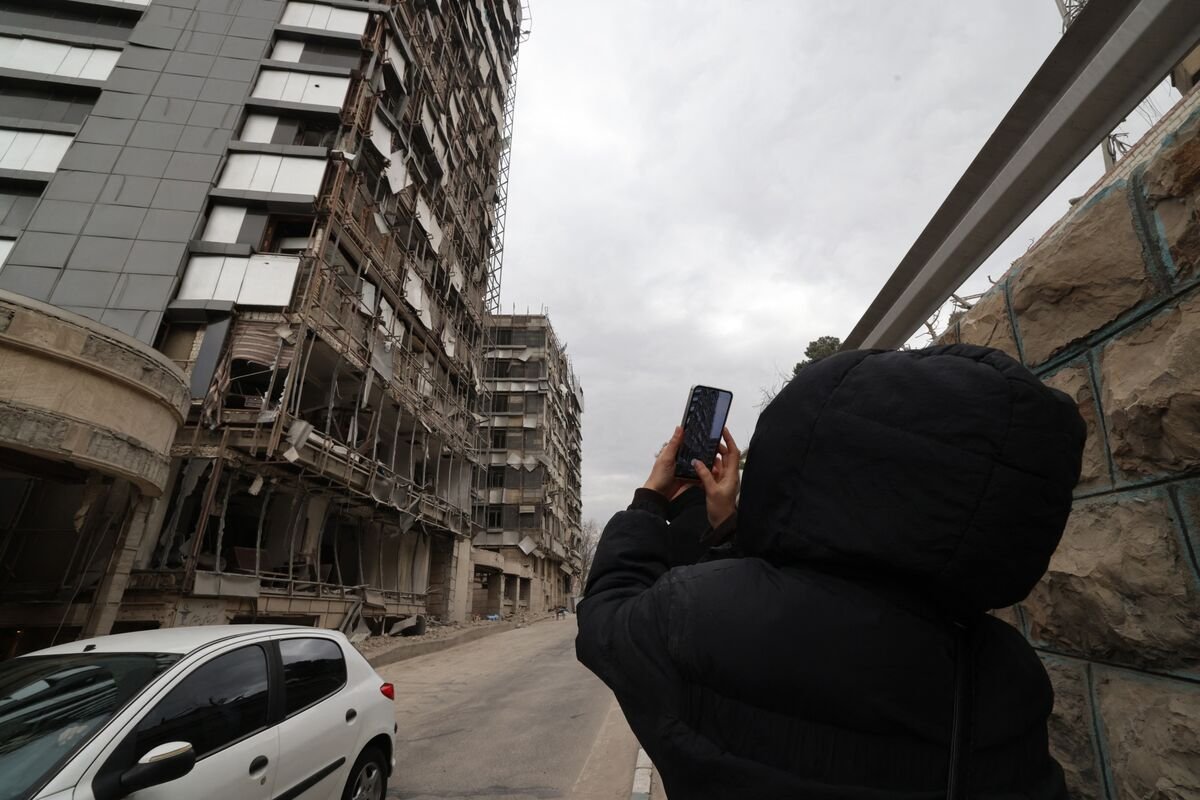
"Connectivity has collapsed to just 1% of normal levels, making this one of the most severe internet blackouts we've documented in Iran," reported NetBlocks in their analysis. "Users are reporting widespread use of satellite internet services and circumvention tools to bypass restrictions."
Beyond satellite solutions, Iranians are increasingly turning to decentralized messaging applications that operate independently of centralized infrastructure. Apps like Signal, Telegram, and others that offer end-to-end encryption and peer-to-peer functionality have seen significant adoption. These applications can function even when traditional internet services are disrupted, particularly when combined with mesh networking capabilities or offline modes.
Virtual Private Networks (VPNs) have also experienced a surge in usage as Iranians attempt to mask their online activities and access restricted services. However, VPN effectiveness varies significantly, with many commercial services being actively blocked or monitored by sophisticated filtering systems. Technical analysts note that Iran's internet filtering capabilities have evolved considerably, employing deep packet inspection and advanced traffic analysis to identify and block circumvention attempts.
The blackout represents a significant escalation in Iran's approach to internet control. Previous disruptions typically targeted specific platforms or services, but this current blackout appears more comprehensive, affecting core internet infrastructure. The timing coincides with heightened regional tensions following recent military actions in the Middle East.
"What we're seeing is not just throttling or selective blocking, but a near-total collapse of internet connectivity," observed an analyst from a digital rights organization who requested anonymity due to security concerns. "This forces citizens to rely on increasingly complex and potentially risky technical solutions."
The circumvention methods carry significant risks. Satellite internet equipment can be detected and confiscated, while using unauthorized VPNs or accessing blocked platforms can result in legal consequences. Despite these risks, many Iranians view connectivity as essential for maintaining communication with family, accessing information, and participating in economic activities.
International technology companies and human rights organizations have expressed concern over the blackout's impact on freedom of expression and access to information. The situation highlights the growing global trend of internet shutdowns as tools of political control, with authoritarian governments increasingly employing sophisticated technical measures to restrict access.
The effectiveness of these circumvention technologies remains uncertain as both sides engage in a continuous technological cat-and-mouse game. While citizens develop increasingly sophisticated methods to bypass restrictions, authorities simultaneously enhance their technical capabilities to detect and block these attempts.
Comments
Please log in or register to join the discussion