Analysis of Russia's evolving international strategy following failed energy deals with China, examining how economic pressures may lead to increased hybrid attacks against NATO allies in Europe.
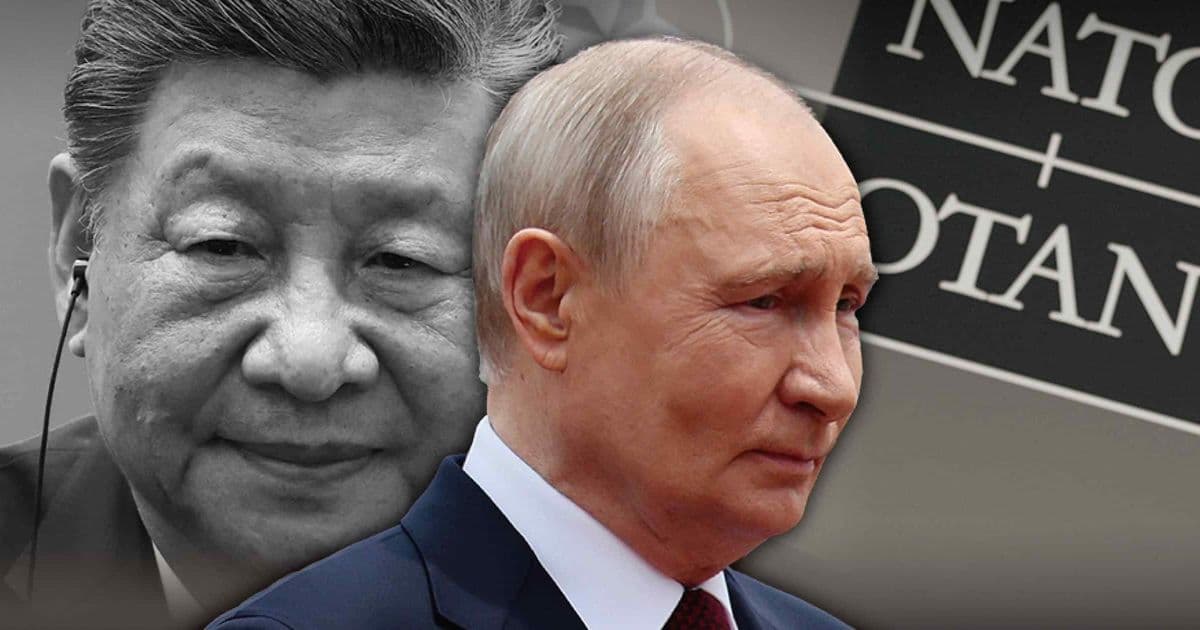
Russian President Vladimir Putin must have left Beijing in a sour mood, quietly nursing frustration and disappointment. His recent visit to China failed to secure the gas pipeline deal he had hoped for, representing a significant setback in Russia's efforts to pivot its energy exports toward Asia amid Western sanctions.
This diplomatic and economic failure comes at a critical juncture for Russia, which has faced mounting international isolation since its invasion of Ukraine. The inability to secure favorable energy terms with China suggests Russia's bargaining position has weakened considerably despite its abundant natural resources.
The implications extend beyond energy markets. As Russia's traditional economic and political options become increasingly constrained, analysts warn that Putin may respond with heightened aggression toward NATO allies in Europe. This aggression likely will manifest through cyber attacks, disinformation campaigns, and other hybrid warfare tactics that create instability without triggering direct military confrontations.
Cybersecurity firms across Europe have reported increased activity from state-sponsored Russian hacking groups targeting critical infrastructure, government networks, and industrial systems. These attacks represent a low-cost, high-impact strategy for Russia to exert influence and test defenses while maintaining plausible deniability.
The energy sector remains particularly vulnerable. Russia has historically used natural gas exports as political leverage, and the failure to secure new Asian markets may intensify efforts to disrupt European energy supplies through unconventional means. Recent incidents in Baltic states suggest Russia is exploring ways to create energy uncertainty that could fracture European unity on sanctions and support for Ukraine.
Businesses operating in Eastern and Central Europe face heightened cybersecurity risks as this hybrid warfare intensifies. Companies with operations in NATO member states should reassess their threat models, particularly those in critical infrastructure sectors like energy, transportation, and telecommunications.
The international community must develop coordinated responses to these hybrid threats, combining enhanced cybersecurity measures with diplomatic efforts to address Russia's underlying security concerns. Failure to do so could lead to a dangerous escalation in hybrid warfare that destabilizes Europe for years to come.
Russia's weakened position does not equate to reduced danger. Rather, it may incentivize more unpredictable and aggressive tactics that challenge international norms and stability. The business community must prepare for an environment of heightened geopolitical risk and persistent cyber threats.
Comments
Please log in or register to join the discussion