Apple's new 'Ask Reason for Calling' option in iOS 26 provides a smart middle ground between answering all calls and silencing unknown numbers, giving users crucial context before deciding whether to pick up.
iOS 26 brings a thoughtful solution to one of mobile communication's most persistent annoyances: the unknown caller dilemma. Apple's latest operating system introduces a new call screening feature that asks unknown callers to identify themselves and explain why they're calling before your iPhone ever rings.
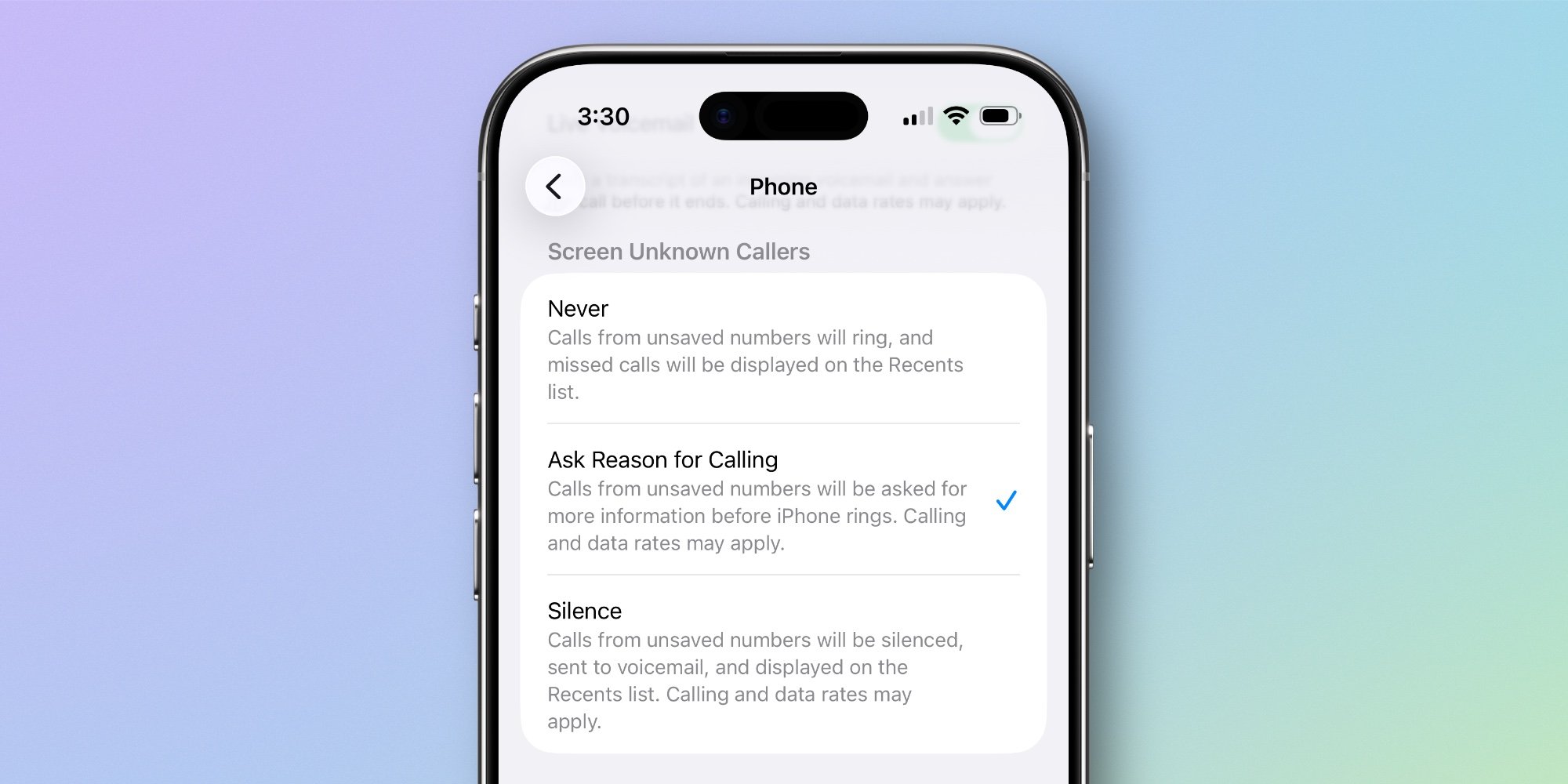
The feature, called "Ask Reason for Calling," sits alongside two other options in the Phone app settings: "Never" (which lets all calls through) and "Silence" (which sends unknown callers straight to voicemail). This middle-ground approach addresses a common frustration where legitimate calls from doctors' offices, delivery services, or potential employers get lost in the noise of spam calls.
For years, iOS has offered a "Silence Unknown Callers" feature that blocks calls from numbers not in your Contacts, Mail, or Messages. While effective at reducing spam, this approach often meant missing important calls from people you haven't yet saved. The new screening option maintains your ability to receive these calls while adding a crucial layer of information.
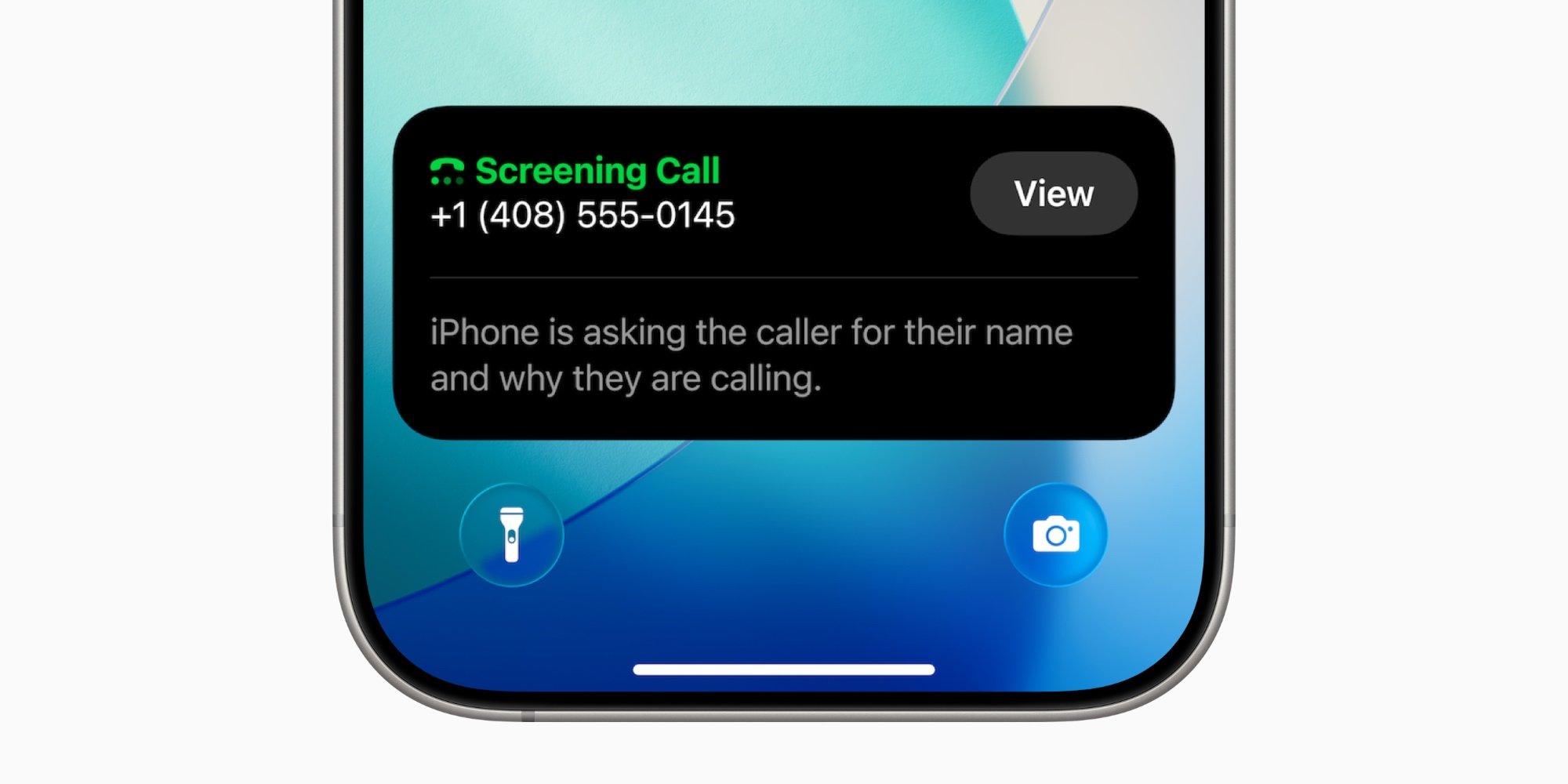
When enabled, unknown callers hear an automated message asking them to state their name and the reason for their call. This information appears as a notification on your lock screen, allowing you to decide whether to answer before your phone ever rings. It's a simple but powerful change that transforms the decision from a moment of uncertainty into an informed choice.
The implementation feels particularly well-suited to modern communication patterns. Many of us receive calls from various services throughout the day—pharmacies confirming prescriptions, restaurants verifying orders, or delivery drivers confirming addresses. These calls are important but not necessarily worth interrupting your workflow. With the new screening feature, you can quickly assess whether a call warrants immediate attention or can wait until you're ready.
Apple's approach also addresses privacy concerns that have grown alongside the proliferation of spam calls. By requiring callers to identify themselves, the feature creates a natural filter that discourages automated spam while accommodating legitimate outreach. It's a subtle but effective way to maintain the utility of phone calls without surrendering to the chaos of modern telemarketing.
The feature integrates seamlessly with iOS 26's broader communication improvements. The Phone app itself received a significant visual overhaul, with a cleaner interface and new ringtones that feel more modern and less intrusive. Live Translation, another new addition, works particularly well with the screening feature—if you do answer an international call, you can immediately activate translation to bridge language barriers.
For anyone who's struggled with the trade-off between missing important calls and fielding unwanted ones, iOS 26's "Ask Reason for Calling" feature offers a compelling solution. It's the kind of thoughtful refinement that makes Apple's software updates feel genuinely useful rather than merely cosmetic.

The feature is available now in the iOS 26 developer beta, with a public release expected later this year. If you're currently using the "Silence Unknown Callers" option but find yourself missing too many legitimate calls, or if you're tired of answering every unknown number only to find spam, this new screening approach might be exactly what you need.
Which iOS 26 features in the Phone app are your favorites? Let us know in the comments.
Comments
Please log in or register to join the discussion