Despite component challenges, global smartphone shipments grew 1% in Q1 2026 as vendors strategically front-loaded inventory, with Samsung reclaiming the top spot and Apple showing strong demand for its latest models.
The global smartphone market demonstrated resilience in the first quarter of 2026, with shipments growing by 1% to reach 298.5 million units, according to research firm Omdia. This modest increase comes amid ongoing memory chip constraints and highlights how manufacturers are adapting to supply chain challenges through strategic inventory management.
Vendor Front-Driving Market Growth
The primary driver behind this growth was vendor front-loading, a strategy where smartphone manufacturers push increased inventory volumes into the channel in anticipation of rising component costs. This approach, while boosting short-term shipment numbers, creates a more complex market dynamic as companies balance immediate sales against long-term sustainability.
"This supply-side push has created a temporary market uplift," noted Omdia analysts in their report. "However, we expect a period of adjustment to follow as elevated channel inventory meets generally weak consumer demand in the coming quarters."
Market Leaders and Their Strategies
Samsung Regains Top Position
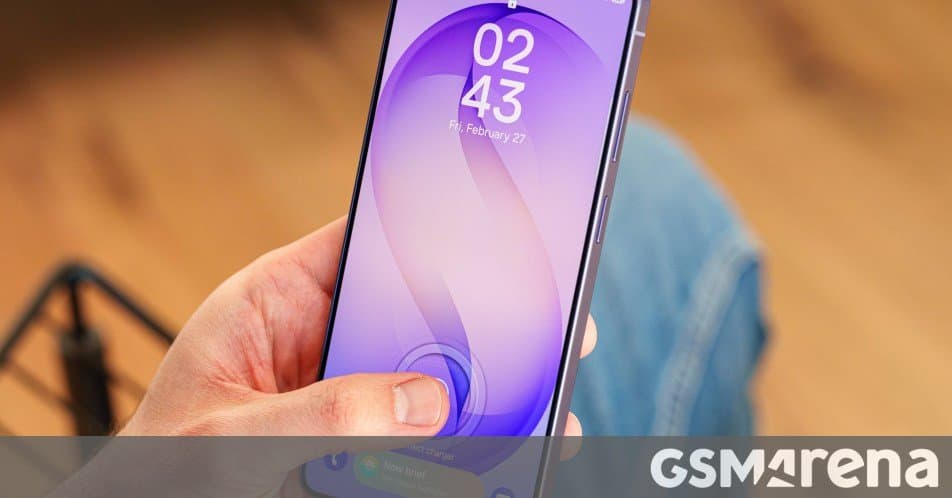
Samsung reclaimed its position as the world's leading smartphone brand with 65.4 million shipments in Q1, representing an 8% year-over-year increase and capturing 22% of the global market. The South Korean tech giant's success was fueled by strong demand for the Galaxy S26 series and solid performance from its mid-range offerings including the recently launched Galaxy A37 and Galaxy A57.
Samsung's strategy appears to focus on maintaining a balanced portfolio across price segments while leveraging its component manufacturing capabilities to mitigate supply chain disruptions. The company's ability to control both hardware and software aspects of its devices through its One UI interface (based on Android) provides a cohesive ecosystem experience.
Apple Shows Strong Performance
Apple maintained its second-place position with 60.4 million shipments, marking a 10% year-over-year growth and capturing an estimated 20% of the global market. The Cupertino-based company continues to benefit from its loyal customer base and strong brand recognition, with sustained demand for the iPhone 17 series across key markets.
Notably, the iPhone 17 Pro and 17 Pro Max models saw an impressive 42% increase in demand in China, outperforming their predecessors. Additionally, the iPhone 17e exceeded expectations in Europe and Japan, suggesting Apple's strategy of offering more options at different price points is resonating with consumers. Apple's tight integration of hardware, software, and services through iOS creates significant ecosystem lock-in, with users often remaining within the Apple ecosystem when upgrading devices.
Xiaomi Faces Margin Pressure
Xiaomi, including its Redmi and Poco sub-brands, ranked third with 33.8 million shipments and an 11% market share. However, the company experienced the most significant decline among the top five vendors, with shipments dropping 19% year-over-year. This decline appears linked to rising component costs that have squeezed Xiaomi's traditionally thin profit margins.
The Chinese manufacturer has historically competed on value, offering feature-rich devices at competitive price points. However, as component costs rise, this strategy becomes increasingly challenging. Xiaomi's MIUI interface, based on Android, offers extensive customization but has faced criticism for bloatware and aggressive advertising in some markets.
Regional Market Dynamics
The global smartphone market continues to show varied performance across regions. While Apple's premium devices performed well in developed markets like North America and parts of Europe, Samsung's broader portfolio allowed it to maintain strength across both developed and emerging markets. Chinese manufacturers like Xiaomi, Oppo, and vivo continue to rely heavily on their home market and other Asian and African regions where price sensitivity is higher.
Looking Ahead: Market Adjustment Expected
Omdia analysts predict that the smartphone market will face a period of adjustment in the coming months as the effects of the supply-side push play out. Elevated channel inventory combined with generally weak consumer demand could create a more challenging environment for manufacturers in the second half of 2026.
Consumers may benefit from this potential market correction through improved deals and promotions as manufacturers work to clear inventory. However, the ongoing component cost pressures suggest that significant price reductions across the industry are unlikely.
Ecosystem Considerations for Consumers
As smartphone upgrades become less frequent and price sensitivity increases, ecosystem lock-in becomes both more important and more challenging for manufacturers. Apple's closed ecosystem continues to demonstrate strong retention rates, while Android manufacturers are increasingly focusing on services and cross-device integration to encourage brand loyalty.
For consumers, the choice between ecosystems involves trade-offs between customization and convenience, hardware innovation, and service ecosystems. The modest market growth in Q1 suggests that consumers are becoming more selective with their purchases, prioritizing devices that offer genuine improvements over their current phones.
The full Omdia report provides additional insights into regional performance and emerging market trends, which will be crucial for understanding the evolving dynamics of the global smartphone landscape in 2026.
Comments
Please log in or register to join the discussion