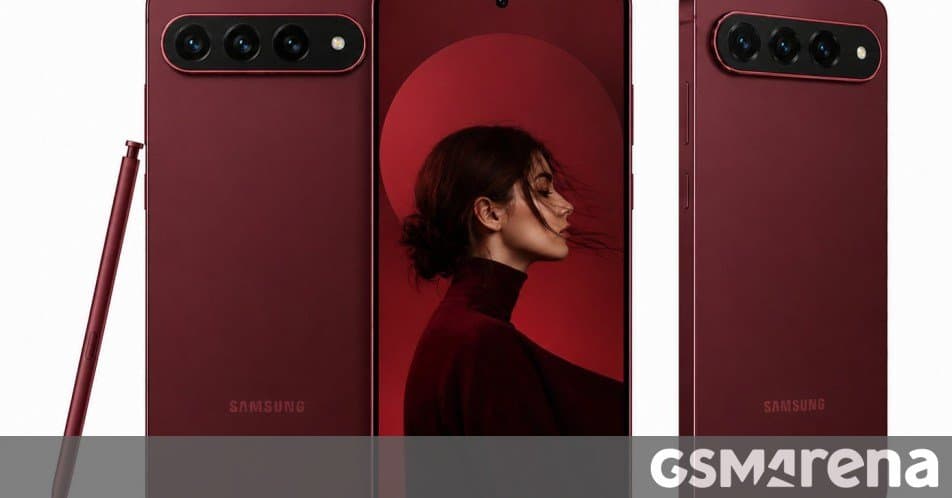
Samsung's upcoming flagship may reduce its camera count while relocating the camera island, potentially removing the long-standing 3x telephoto lens that has been a staple of Ultra models.
Samsung's upcoming Galaxy S27 series is poised for a significant design overhaul, with recent leaks suggesting the Ultra model will undergo substantial changes beyond just aesthetics. According to prolific leaker Ice Universe, the Galaxy S27 Ultra will not only feature a relocated camera island but may also reduce its camera count, potentially removing the 3x telephoto camera that has been a consistent feature across multiple generations of Samsung's flagship Ultra devices.
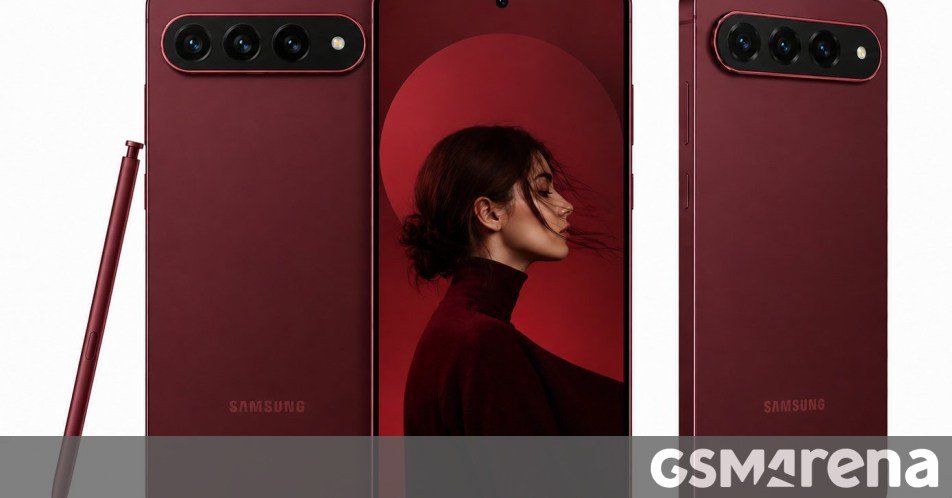
The design changes appear to be quite dramatic, with speculative renders showing a completely different camera arrangement compared to the current Galaxy S26 Ultra. The camera island, which has been a distinctive element of Samsung's recent flagships, will reportedly move to a new position on the device's back panel. This marks a significant departure from the design language that Samsung has maintained for several years.
More intriguing than the design shift is the potential change to the actual camera hardware. The rumor suggests that Samsung may eliminate the dedicated 3x telephoto camera that has been a staple of Ultra models since the Galaxy S20. This raises questions about Samsung's camera strategy and whether this represents a genuine simplification or a rethinking of how the company approaches mobile photography.
Currently, the Galaxy S26 Ultra features a quad-camera setup that typically includes a main sensor, an ultrawide lens, a periscope telephoto for high-zoom capabilities (typically 10x), and the dedicated 3x telephoto. The latter has been valued by photography enthusiasts for its optical quality at medium zoom ranges, often producing sharper images than digital zoom alternatives.
If Samsung indeed removes this lens, the Galaxy S27 Ultra would ship with a triple-camera system. This might initially sound like a downgrade, but the market has shown that excellent camera performance doesn't necessarily require multiple lenses. As the article notes, the vivo X300 Ultra has demonstrated that a three-camera setup can compete with the best camera phones on the market.
The potential removal of the 3x telephoto could indicate several strategic directions for Samsung:
- Cost optimization: Reducing components could help manage the rising costs of flagship smartphones.
- Software processing enhancement: Samsung might rely more on computational photography to fill the gap left by the missing hardware.
- Focus on different zoom capabilities: Samsung could be reallocating resources to enhance other zoom ranges or improve the quality of existing lenses.
From a technical perspective, the 3x telephoto serves an important purpose in mobile photography. It provides optical zoom at a focal length (around 70-80mm equivalent) that's ideal for portrait photography and medium-distance shots. Without this dedicated lens, photographers would need to rely more heavily on digital zoom or the main sensor's cropping capabilities, which can compromise image quality.
However, Samsung has been investing heavily in computational photography, and the company's image processing algorithms have improved dramatically in recent years. It's possible that Samsung believes its software can compensate for the hardware reduction through techniques like multi-frame processing, AI-enhanced zoom, and improved sensor cropping.
The move would also align with a broader industry trend of simplification in camera systems. While manufacturers once competed based on the number of cameras, the focus is increasingly shifting toward quality over quantity. Google's Pixel phones, for example, have consistently ranked among the best camera phones with relatively simple setups, demonstrating that software optimization can often outperform additional hardware.
From an ecosystem perspective, this change could have interesting implications. Samsung's Galaxy devices are deeply integrated with its broader ecosystem, including features like Quick Share, Samsung DeX, and seamless connectivity with other Samsung products. A simplified camera system might impact certain workflows or features that rely on specific hardware capabilities.
Consumers who upgrade from a Galaxy S26 Ultra to the S27 Ultra would need to adjust their photography habits, particularly for medium-range shots. The change might also affect third-party camera applications that have optimized their algorithms for Samsung's specific hardware configuration.
Samsung has not officially commented on these rumors, and it's worth noting that the company often makes last-minute changes to its products before launch. It's possible that Samsung could replace the 3x telephoto with another type of lens or maintain the quad-camera setup despite current rumors.
The Galaxy S27 series is expected to launch in early 2027, likely at Samsung's Unpacked event in January or February. As we approach that timeframe, we can expect more leaks and potentially official information that will clarify these design and camera changes.
For now, photography enthusiasts and Samsung fans will be watching closely to see how the company balances its commitment to innovation with practical considerations of cost and user experience. The potential removal of the 3x telephoto camera would mark a significant shift in Samsung's approach to mobile photography and could influence the entire industry's direction in 2027.
Comments
Please log in or register to join the discussion