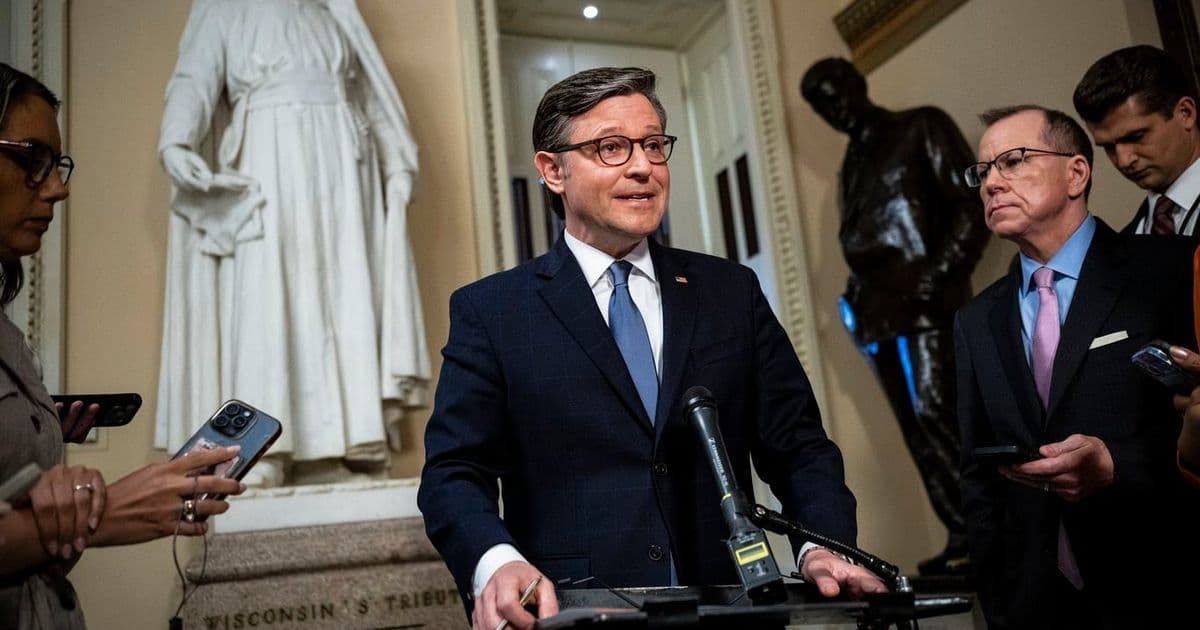
The House approved a temporary extension of FISA authorities, maintaining surveillance capabilities while lawmakers debate broader reforms. The decision impacts tech companies' data handling practices and creates uncertainty for the $5.2 trillion cybersecurity market.
Congress has passed a short-term extension of Foreign Intelligence Surveillance Act (FISA) authorities, maintaining critical surveillance capabilities while lawmakers continue debating broader reforms. The legislation, which extends key surveillance provisions through April 2025, passed the House with bipartisan support, reflecting the ongoing tension between national security concerns and privacy protections in the digital age.
The FISA extension specifically preserves Section 702 of the act, which allows U.S. intelligence agencies to collect foreign intelligence information from non-U.S. persons located outside the country. This provision has been instrumental in counterterrorism operations but has also drawn scrutiny from tech privacy advocates and civil liberties groups.
Tech industry leaders have expressed mixed reactions to the extension. While companies like Microsoft and Google acknowledge the importance of national security capabilities, they have also called for clearer guidelines on data requests and increased transparency in government surveillance practices. The uncertainty surrounding FISA's future creates compliance challenges for tech firms, which must balance legal obligations with customer privacy expectations.
The cybersecurity sector stands to be significantly impacted by this decision. The global cybersecurity market, valued at $173.5 billion in 2023 and projected to reach $266.2 billion by 2027, faces both opportunities and challenges. On one hand, the extension maintains government funding for cybersecurity initiatives. On the other, the lack of comprehensive reform creates regulatory uncertainty for companies developing privacy-enhancing technologies.
The short-term nature of the extension suggests that Congress recognizes the need for substantive reform but has yet to reach consensus. Lawmakers have indicated they will use this extension period to work on a longer-term solution that addresses both security needs and privacy concerns. This approach mirrors similar legislative patterns seen in other tech policy debates, such as data privacy and cross-border data flows.
Tech policy analysts note that the FISA extension could influence upcoming legislation on data privacy and cross-border data flows. The surveillance authorities granted under FISA often set precedents for how other tech regulations are structured, making this extension particularly significant for the broader tech policy landscape.
For consumers, the extension maintains the status quo regarding government access to digital communications. However, privacy advocates continue to push for stronger safeguards, including requirements for judicial oversight and limitations on data retention periods. These concerns are likely to resurface as lawmakers work toward a permanent solution.
The tech industry's response to the extension highlights the complex relationship between government surveillance and digital innovation. While maintaining national security capabilities is crucial, the lack of clear, forward-looking policies creates challenges for companies developing next-generation security and privacy technologies.
As Congress moves toward a more permanent solution, stakeholders across the tech ecosystem will be watching closely. The outcome of this debate could shape the future of digital privacy, government surveillance practices, and the competitive landscape for security-focused technology companies.
Comments
Please log in or register to join the discussion