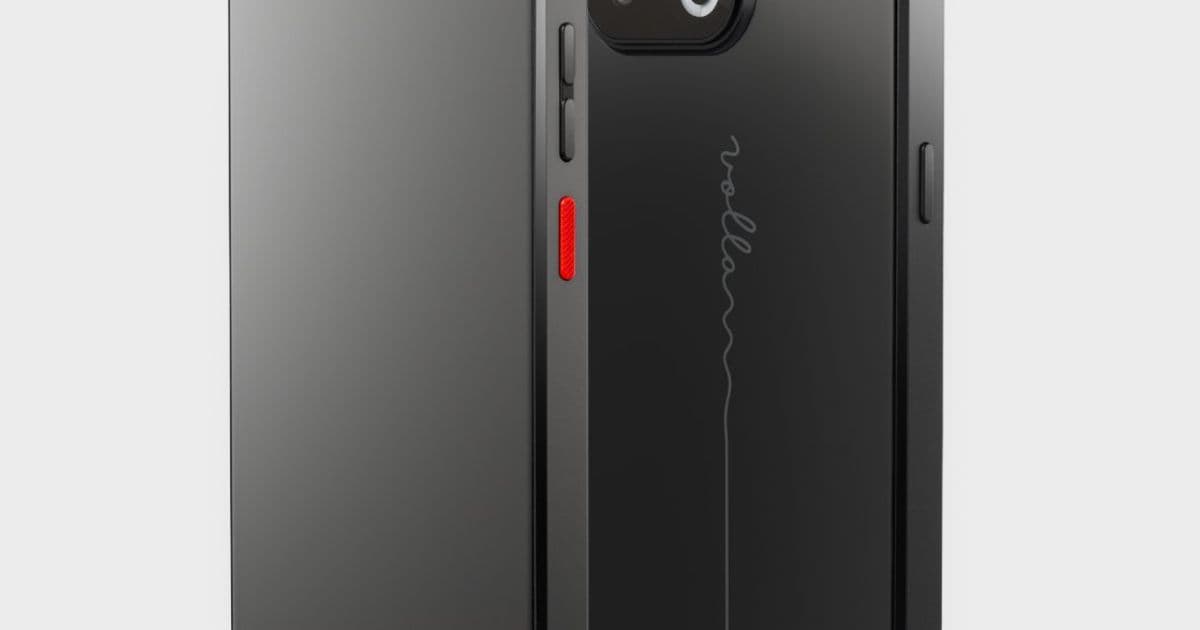
The Volla Phone Plinius offers developers a unique mid-range smartphone with a choice between Ubuntu Touch and Google-free Android, providing a platform for testing and developing applications outside mainstream ecosystems.
The Volla Phone Plinius represents an interesting addition to the smartphone market, particularly for developers and users seeking alternatives to mainstream mobile operating systems. This device combines mid-range specifications with a semi-rugged design and offers a choice between two distinct operating systems: Ubuntu Touch, a Linux-based mobile OS, and Volla OS, a Google-free version of Android.
Hardware Specifications and Build Quality
The Plinius features a 6.67-inch OLED display with a resolution of 2400 x 1080 pixels and a smooth 120Hz refresh rate. Powering the device is a MediaTek Dimensity 7300 processor, which provides capable performance for everyday tasks and moderate multitasking. The device is rated IP68 for dust and water resistance, making it suitable for more demanding environments than typical smartphones.
Battery life is a notable aspect of the Plinius, with a 5,300 mAh removable battery. While removal requires a screwdriver, this feature extends the device's lifespan by allowing battery replacement rather than forcing device replacement when the battery degrades. Charging options include 30W wired charging via USB 2.0 Type-C OTG port and 15W wireless charging.
Connectivity options are comprehensive, with support for WiFi 6E, Bluetooth 5.4, 5G NR, and GNSS navigation. The device also includes both a physical nano SIM card slot and eSIM support, enabling dual SIM functionality, along with a microSD card slot supporting cards up to 1TB for expandable storage.
Operating System Options for Developers
The most significant aspect of the Plinius is its dual operating system approach. For developers, this presents interesting opportunities:
Volla OS (Google-Free Android)
Volla OS is essentially Android without Google Mobile Services (GMS). This means it doesn't include Google Play Store, Google Maps, Gmail, or other Google applications and services. For developers, this creates a unique testing environment where:
- Applications must be distributed through alternative app stores or sideloaded
- Google-dependent APIs and services are unavailable
- Privacy-focused considerations are built into the platform
Developers targeting Volla OS would need to ensure their applications don't rely on Google services, potentially requiring alternative implementations for features like push notifications, location services, and authentication. The Volla OS website provides more information about this operating system.
Ubuntu Touch
Ubuntu Touch represents a more radical departure from Android, being a Linux-based mobile operating system. For developers, this presents both challenges and opportunities:
- Applications need to be developed using Ubuntu's specific SDK and APIs
- The UI paradigm differs significantly from Android and iOS
- There's potential for developing applications that can potentially run across different form factors (phones, tablets, desktops)
Ubuntu Touch uses the Qt framework and Ubuntu SDK for application development, which could be attractive to developers already familiar with these technologies or those looking to create applications that can potentially run across different Ubuntu-based devices. The official Ubuntu Touch documentation provides resources for developers interested in this platform.
Developer Experience and Considerations
The Plinius includes two user-configurable physical buttons that can be programmed to launch specific applications or perform functions. This could be particularly useful for developers who need quick access to testing tools or frequently used applications during development.
The device's glove and wet-hand touch support (10-point multitouch) could be relevant for developers testing applications in various environmental conditions or for accessibility considerations.
For developers interested in targeting either platform, the Plinius provides a dedicated hardware option for testing and development. The availability of a device with known specifications running these alternative operating systems simplifies the testing process compared to trying to run these OSes on unsupported hardware.
Market Position and Ecosystem Considerations
The Volla Phone Plinius is positioned in the mid-range segment with a price of €598 for the base model and €698 for the Plus model. This places it above budget devices but below flagship smartphones, making it accessible to developers and enthusiasts who want to explore alternative mobile ecosystems without significant investment.
The removable battery and repair-friendly design (though requiring tools) align with growing sustainability concerns in the tech industry, which could be appealing to developers who value longevity and repairability in their testing devices.
Implications for Cross-Platform Development
For developers focused on cross-platform solutions, the Plinius presents an interesting case study. While platforms like React Native, Flutter, and Xamarin aim to create codebases that can run across different operating systems, the reality is that each platform has its own quirks and limitations.
The Plinius with its dual OS options provides a way to test how cross-platform applications behave on both a Google-free Android implementation and a Linux-based mobile OS. This could reveal platform-specific issues that might not be apparent when testing on mainstream devices.
Conclusion
The Volla Phone Plinius offers a unique proposition in the smartphone market, particularly for developers interested in alternative mobile ecosystems. Its combination of mid-range specifications, rugged design, and dual operating system options provides a dedicated platform for testing and developing applications outside the mainstream Android and iOS ecosystems.
For developers, the Plinius represents an opportunity to explore how their applications function without Google dependencies or on a Linux-based mobile platform. While neither Ubuntu Touch nor Volla OS currently has the market share of mainstream platforms, they offer interesting alternatives for specific use cases, privacy-focused applications, or as part of a comprehensive testing strategy.
As mobile development continues to evolve, devices like the Plinius remind us that the smartphone ecosystem is more diverse than it might appear at first glance, offering opportunities for innovation beyond the dominant platforms.
Comments
Please log in or register to join the discussion