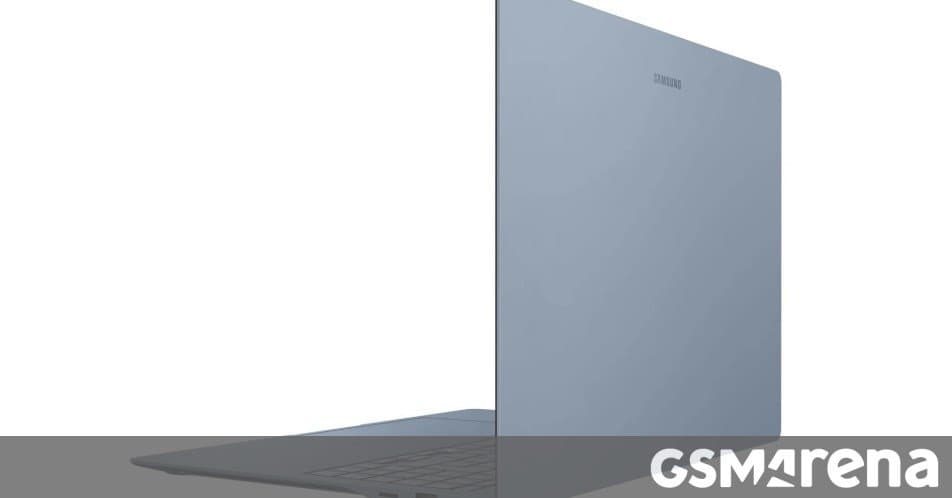
Samsung is reportedly developing a line of Galaxy Book laptops that will run Android 17 with One UI 9, potentially revolutionizing the laptop experience with mobile-first design and AI features.
Samsung is reportedly working on a significant shift in its laptop strategy, with plans to bring its signature One UI interface to Galaxy Book laptops running Android 17. This move comes as part of a broader industry trend toward merging mobile and desktop computing experiences, following Google's ongoing development of Aluminum OS, which merges ChromeOS with Android.
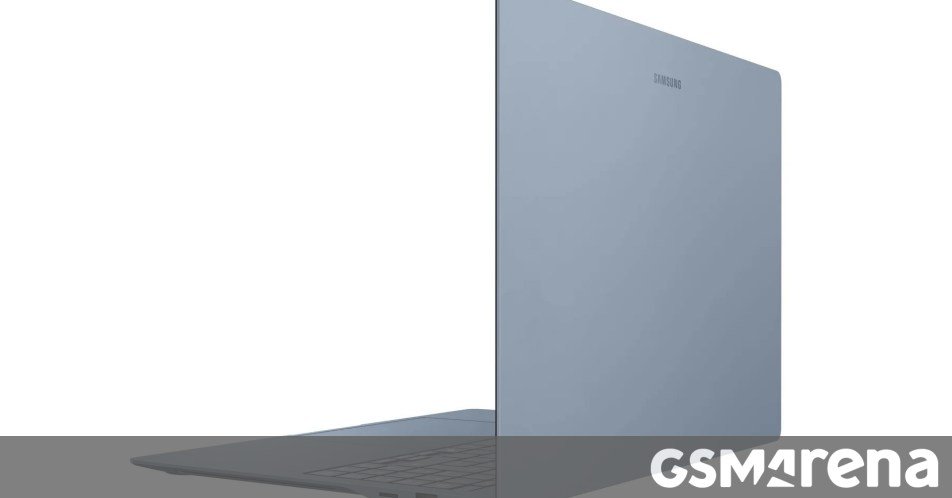
According to recent reports, Samsung is developing an entire range of Android-powered Galaxy Book laptops, spanning from budget-friendly models to high-end flagships with "very sleek design." The company hasn't yet clarified whether these devices will utilize Google's upcoming Aluminum OS or if Samsung is developing its own custom One UI 9 layer specifically for laptops.
The potential convergence of mobile and desktop operating systems represents a significant shift in computing. While Samsung has previously offered DeX mode on its Galaxy Book laptops, which provided a desktop-like experience when connecting a Galaxy phone, this new approach would fundamentally change the underlying operating system itself.
"What we're seeing here is Samsung doubling down on its ecosystem strategy," explains tech analyst Sarah Johnson. "By bringing One UI directly to laptops, Samsung is creating a more seamless experience across devices, which could significantly strengthen their position in both mobile and PC markets."
The integration of Galaxy AI features into these laptops seems almost certain, given Samsung's heavy investment in AI across its product line. This could include features like real-time translation, photo enhancement, productivity assistants, and more, all optimized for laptop use.
From a technical perspective, running Android on laptops isn't entirely new. Projects like Android-x86 have enabled Android to run on traditional PCs for years, but they've often lacked the polish and optimization needed for a mainstream experience. Samsung's approach, with its custom One UI 9 interface, could potentially overcome these limitations.
"One UI for laptops would likely be an evolution of Samsung's DeX experience, but with deeper integration," suggests tech reviewer Michael Chen. "We might see a more responsive interface, better multitasking capabilities, and perhaps even compatibility with Android apps designed specifically for larger screens."
The timing of this potential launch is noteworthy. If Samsung aims to release these devices before the end of 2026, they would be entering the market just as Google's Aluminum OS begins to gain traction. This competitive landscape could benefit consumers through innovation and potentially lower prices.
For Samsung, this move represents both an opportunity and a challenge. On one hand, it strengthens their ecosystem lock-in, making their devices more appealing to existing Galaxy users. On the other hand, it requires significant development resources and could alienate traditional Windows users who have come to rely on specific desktop applications.
"The success of this initiative will depend heavily on execution," notes industry analyst David Park. "Samsung needs to ensure that these laptops can handle both mobile-optimized apps and traditional desktop tasks. If they can bridge that gap effectively, they could create a compelling alternative to both Windows and ChromeOS."
As we await more details about Samsung's plans, one thing is clear: the lines between mobile and desktop computing continue to blur. With Google's Aluminum OS on the horizon and now potentially Samsung's One UI laptops, we may be entering a new era of more integrated computing experiences.
For consumers, this could mean more choice and potentially more innovative devices. However, it also raises questions about software compatibility and the long-term viability of these new platforms. As with any significant technological shift, there will be both opportunities and challenges to navigate.
We'll be watching closely for more information about Samsung's Galaxy Book laptops with One UI, and we expect to hear more details in the coming months if the rumored 2026 launch timeline holds true.
Comments
Please log in or register to join the discussion