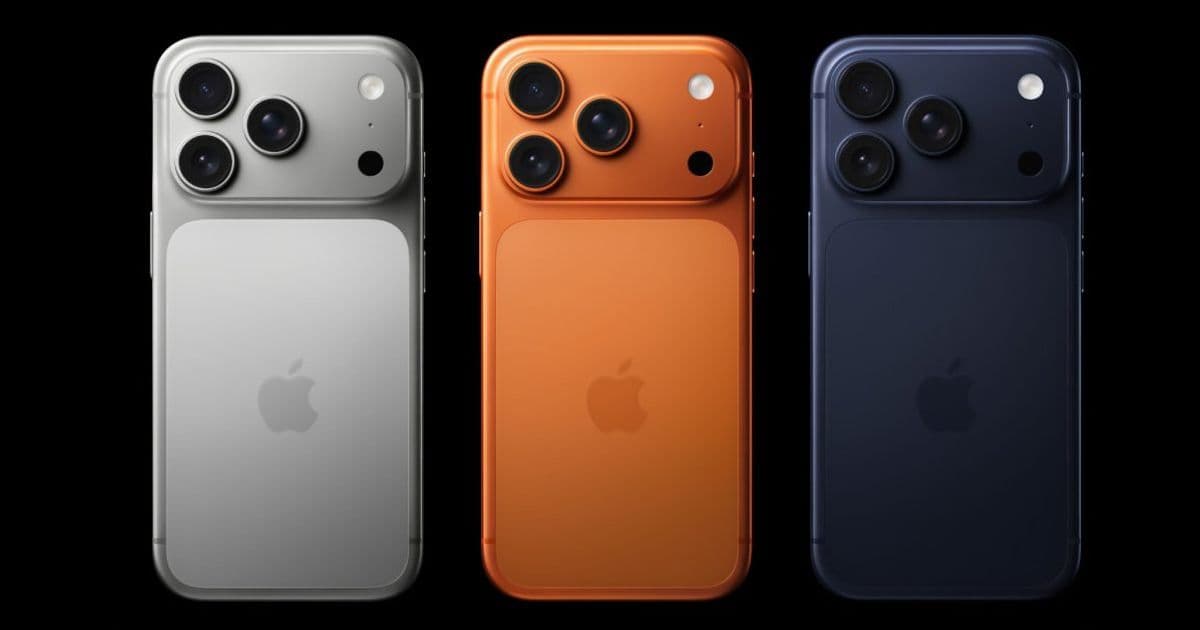
Apple's Q1 2026 smartphone revenue hit record levels with iPhone 17 lineup, capturing 48% market share while maintaining premium pricing. This performance has significant implications for mobile developers working across iOS and Android platforms.
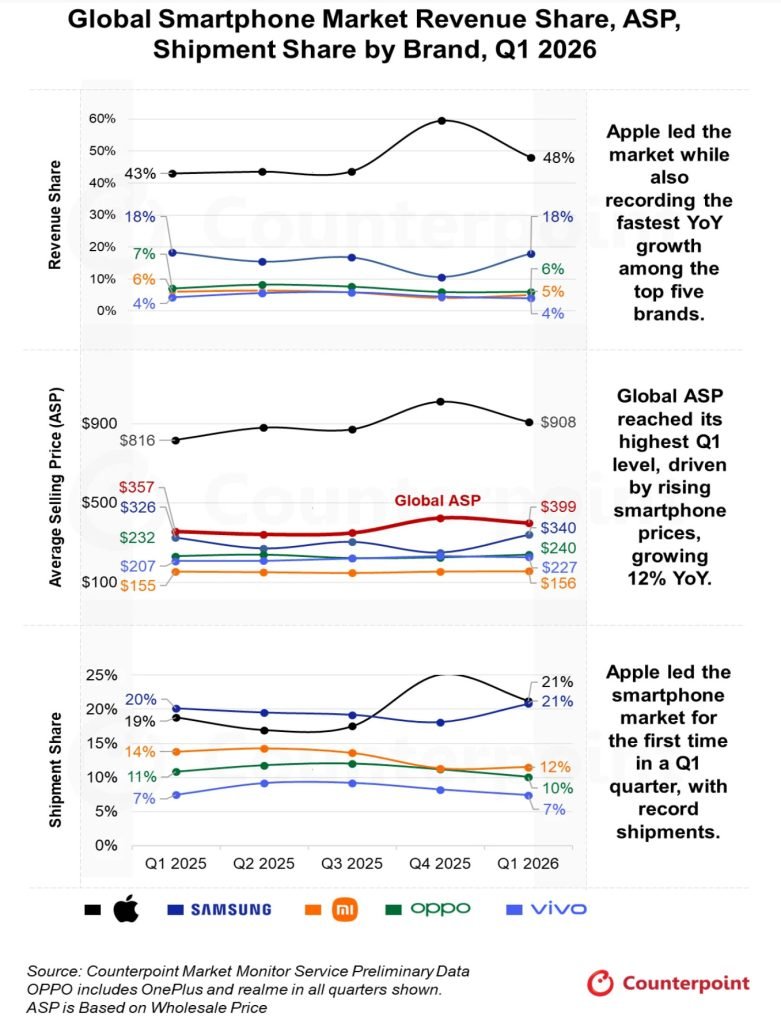
Apple has achieved remarkable financial performance in the first quarter of 2026, with iPhone 17 demand helping the company secure nearly half of all smartphone market revenue. According to a preliminary report by Counterpoint Research, Apple captured 48% of total smartphone market revenue during Q1 2026, marking its highest-ever share in a first quarter. This performance represents a significant increase from 43% a year earlier, making Apple the fastest-growing major smartphone brand by revenue.
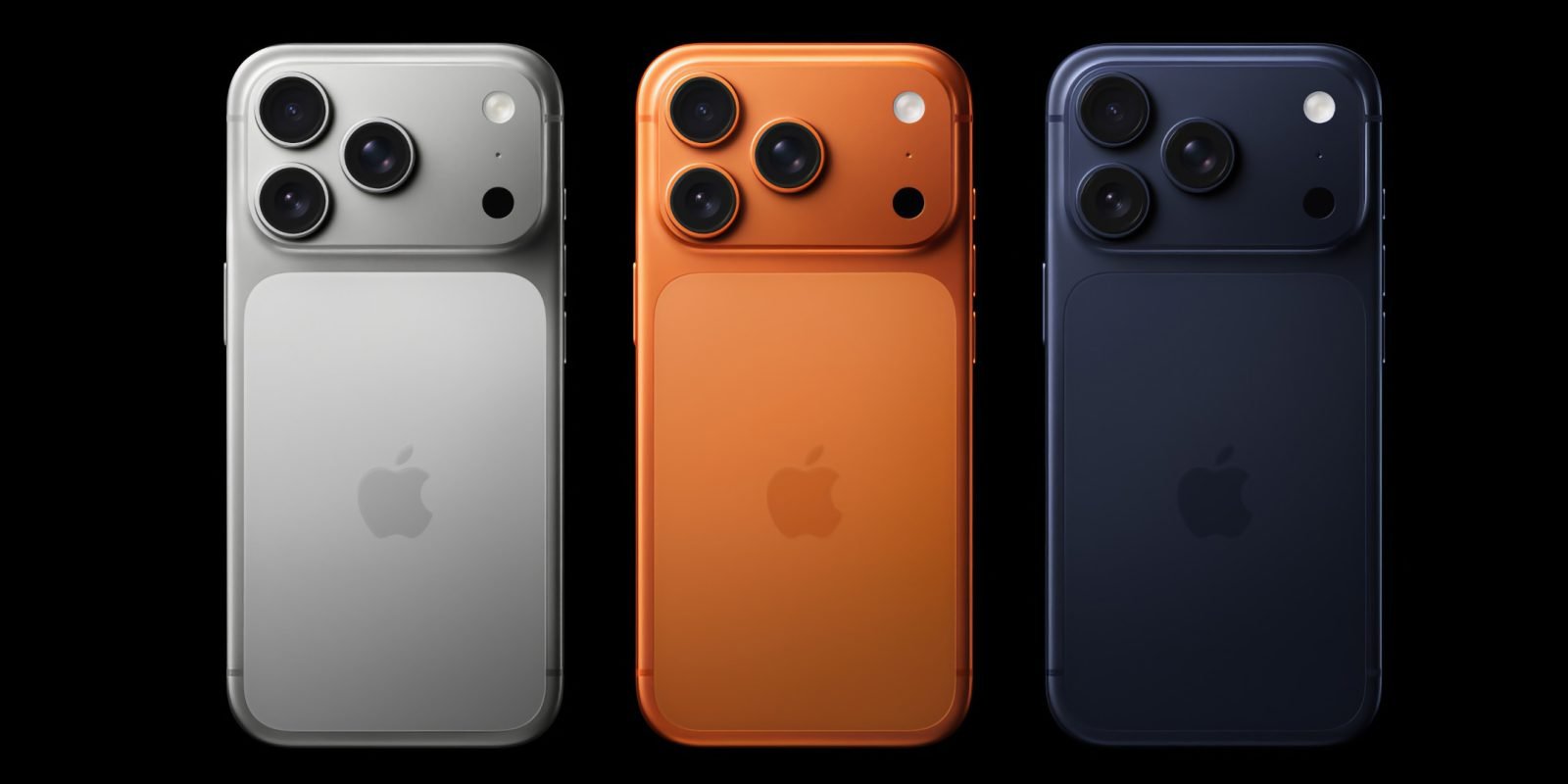
The iPhone 17 lineup, particularly the base model and Pro Max variants, has clearly resonated with consumers. Apple's average selling price (ASP) reached a new Q1 high of $908, an impressive 11% year-over-year increase. This achievement is particularly noteworthy given that Apple maintained stable pricing while many competitors, including Samsung, raised prices in response to rising component costs.
Market Dynamics and Competitive Landscape
Samsung trailed significantly behind Apple with 18% revenue share, followed by OPPO (including OnePlus and realme devices) at 6%, Xiaomi at 5%, and vivo at 4%. In terms of shipments, Apple and Samsung were tied at 21% each, with Xiaomi at 12%, OPPO at 10%, and vivo at 7%. This dual performance—leading in revenue while tying for shipment share—highlights Apple's successful premium positioning strategy.
The broader smartphone market saw an overall ASP increase of 12% year-over-year to $399, driven by higher prices tied to the ongoing memory crunch. However, Apple's ability to maintain its premium pricing while absorbing cost pressures demonstrates its unique market position and brand strength.
Regional Performance and Consumer Behavior
Apple saw broad-based strength across all regions, with particularly notable performance in the Asia-Pacific region. According to Counterpoint Research's Jeff Fieldhack, "subsidies, promotions, and trade-in offers" played a significant role in driving adoption in these markets. This regional insight is valuable for mobile developers who may need to adjust their app strategies based on regional market dynamics.
Implications for Mobile Developers
For developers maintaining applications on both iOS and Android platforms, Apple's market performance has several important implications:
1. iOS Development Priority
With Apple commanding nearly half of the smartphone market revenue, iOS development should remain a priority for most mobile applications. The higher ASP also suggests iOS users may have greater purchasing power for premium apps and in-app purchases.
2. Cross-Platform Considerations
Developers using cross-platform frameworks like React Native, Flutter, or Xamarin should consider optimizing for iOS first, given Apple's dominant revenue position. This approach aligns with the typical development priority where iOS is often the lead platform due to its more stringent review process and higher revenue potential.
3. SDK and API Updates
Apple's continued success likely means continued investment in iOS development. Developers should stay current with the latest iOS SDK versions, particularly those that enhance the user experience on newer iPhone models. The iPhone 17's performance suggests Apple will maintain its aggressive update schedule, with new features and capabilities that developers will need to leverage.
4. Android Market Strategy
While Apple dominates in revenue, Samsung's 18% share and the combined Android ecosystem's majority share in shipments means Android development remains essential for most applications. Developers should focus on optimizing for Samsung's devices while ensuring compatibility across the diverse Android landscape.
Future Outlook
Counterpoint Research projects that smartphone shipments will continue declining throughout 2026, while ASP is likely to expand further due to ongoing price pressures from the memory crisis. The report suggests that a "substantial recovery is expected only in late 2027." This outlook suggests that mobile developers should focus on creating premium experiences that justify higher price points, rather than competing on volume alone.
For developers, this means investing in features that enhance user retention and justify premium pricing. The strong performance of iPhone 17 Pro models indicates that consumers are willing to pay for enhanced capabilities, suggesting opportunities for developers to create premium versions of their applications.
Conclusion
Apple's record Q1 performance with the iPhone 17 lineup demonstrates the strength of its premium positioning and brand loyalty. For mobile developers, this market reality reinforces the importance of maintaining high-quality applications on iOS while also ensuring robust Android support. The continued growth in ASP across the industry suggests that focusing on premium features and user experience will be increasingly important for developers looking to maximize revenue in the coming years.
Developers can access more detailed market analysis through Counterpoint Research's full report and should consider these market dynamics when planning their development roadmaps for the remainder of 2026 and into 2027.
Comments
Please log in or register to join the discussion