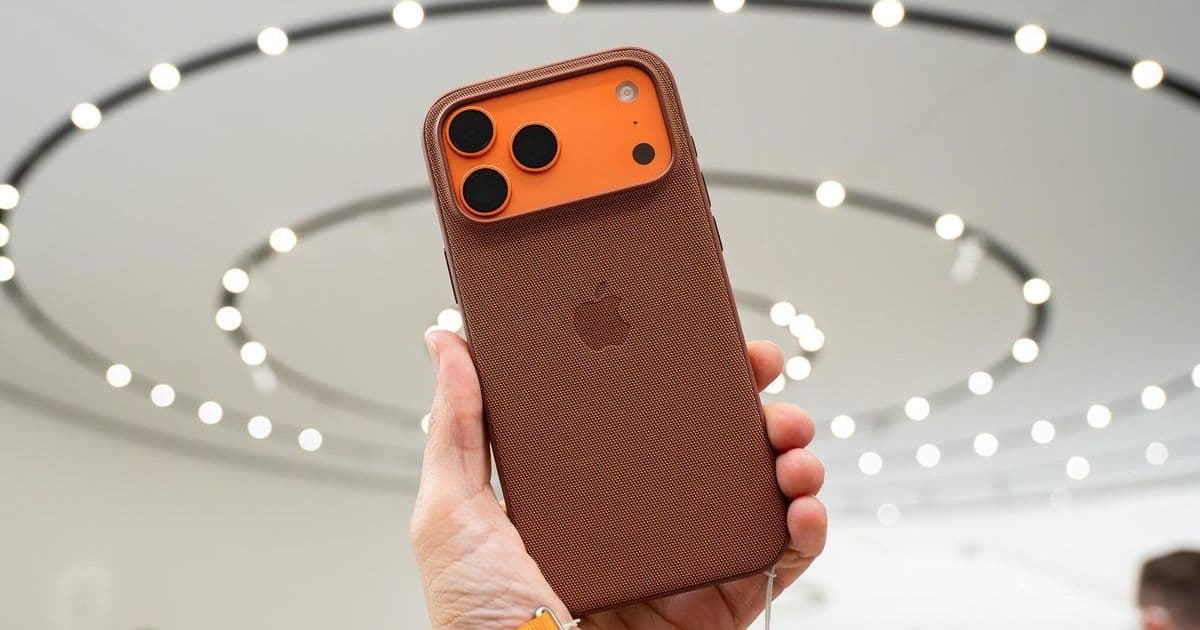
Apple's iPhone 17 series introduces the revolutionary iPhone Air—the thinnest iPhone ever—alongside major camera, display, and processor upgrades across all models. We break down the trade-offs, innovations, and which model delivers the best value for developers and power users. This isn't just a spec bump; it's a strategic reimagining of mobile hardware.
Apple’s iPhone 17 launch isn’t merely an iterative update—it’s a statement. For the first time in years, the lineup ditches the Plus model and introduces the iPhone Air, a device so thin it redefines portability. But beneath the sleek exteriors lie significant technical advancements: the A19 Pro chipset, ProMotion displays across all models, and AI-enhanced cameras that push computational photography further. As developers and tech leaders, understanding these shifts isn’t just about choosing a phone; it’s about gauging where Apple is steering mobile innovation.
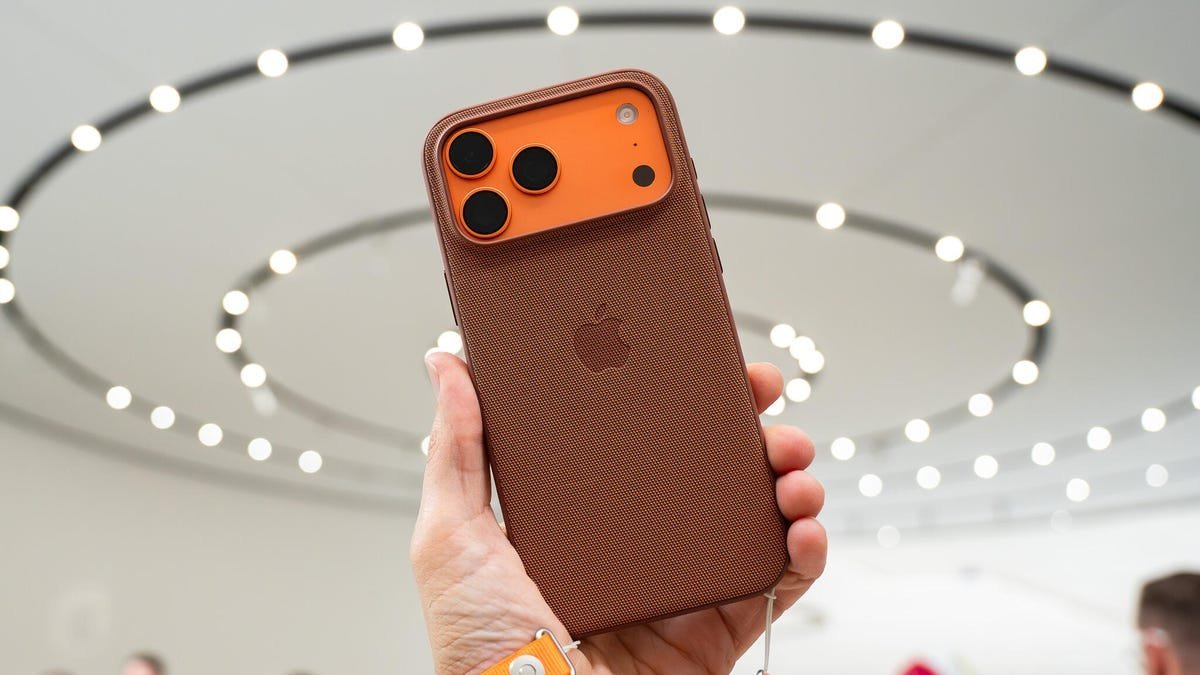 Main article image: The iPhone 17 Pro Max showcases Apple's new design language. (Source: ZDNET)
The series comprises four distinct models, each targeting specific user needs:
- iPhone 17 ($799): Now featuring a 120Hz ProMotion display—previously a Pro exclusive—this model retains the classic iPhone design with aluminum framing and dual cameras. It’s ideal for developers prioritizing smooth UI rendering for app testing without the Pro price tag.
- iPhone Air ($999): At just 5.6mm thick, it’s Apple’s thinnest iPhone ever, powered by a trio of chips (A19 Pro, N1 for Wi-Fi 7/Bluetooth 6, and C1X cellular modem). The trade-off? A single rear camera and eSIM-only support, making it a niche choice for minimalists valuing portability over versatility.
- iPhone 17 Pro ($1,099): A design overhaul with a brushed aluminum unibody and vapor chamber cooling for the A19 Pro chip. Its triple 48MP Fusion camera system leverages AI via the Photonic Engine for superior low-light performance—critical for AR developers and content creators.
- iPhone 17 Pro Max ($1,199): The flagship boasts a 6.9-inch 3,000-nit display, 2TB storage, and the same A19 Pro/N1 combo as the Air. With 39-hour battery life and enhanced thermal management, it’s engineered for sustained heavy workloads like ML inference or 4K video editing.
Why This Matters Beyond Specs
Apple’s move to standardize ProMotion displays democratizes high refresh rates, pushing developers to optimize apps for smoother animations. The A19 Pro’s integrated Neural Accelerators signal deeper on-device AI capabilities, reducing cloud dependency for tasks like real-time image processing. Meanwhile, the iPhone Air’s radical thinness challenges engineering norms, though its component compromises highlight the tension between form and function. As one analyst notes, 'This isn’t just a phone—it’s a blueprint for how Apple balances innovation with practicality.'
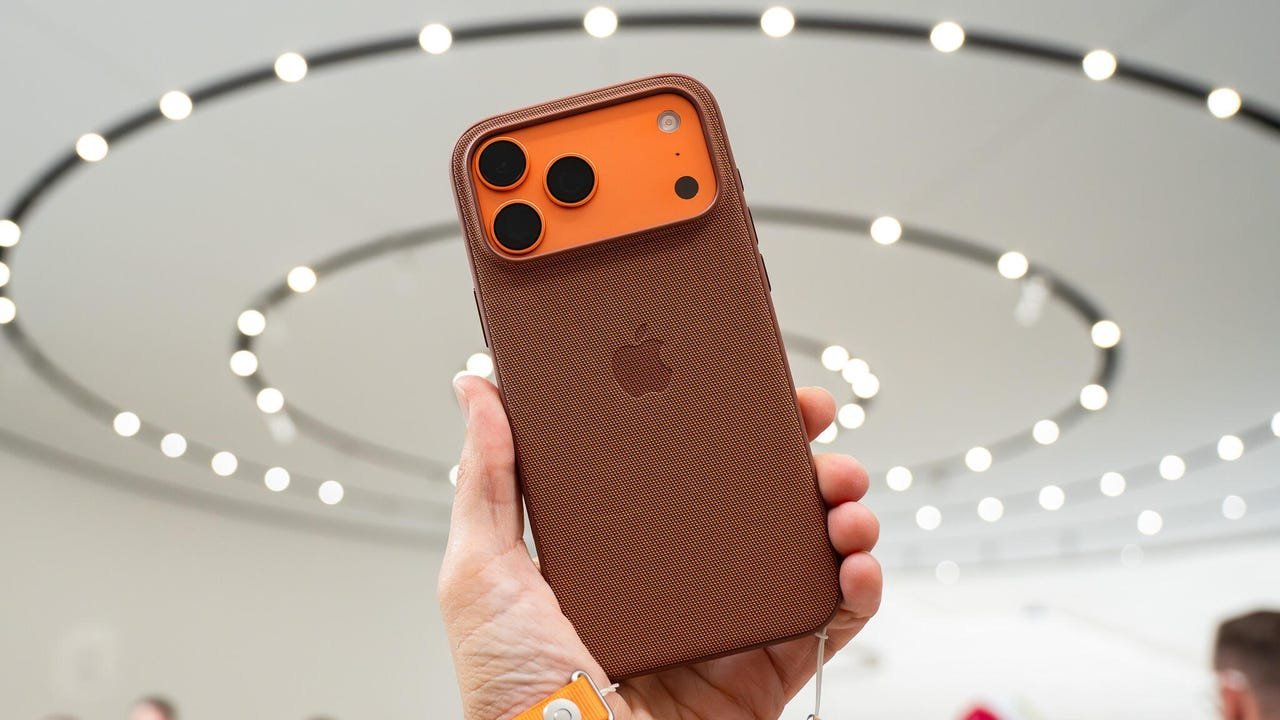 Apple iPhone 17 Pro Max in Deep Blue. (Credit: Jason Hiner/ZDNET)
For those weighing alternatives, the iPhone 16 Pro Max remains a powerhouse for iOS loyalists, while Samsung’s Galaxy S25 Ultra leads in generative AI features. Google’s Pixel 10 Pro XL, with its computational photography, offers fierce competition. Yet Apple’s ecosystem integration—especially with new Thread support in the Air and Pro Max—cements its appeal for smart home developers. In the end, your choice hinges on whether you prioritize raw power (Pro Max), experimentation (Air), or balanced value (base model)—a decision reflecting not just preference, but where you see the future of mobile tech heading.
Comments
Please log in or register to join the discussion