
Apple's iPhone 17 delivers Pro-level upgrades like a 120Hz display and 256GB base storage at $799, challenging the need for pricier Pro models. Our hands-on analysis reveals why this democratization of premium features reshapes value expectations in flagship smartphones.
When Apple unveiled the iPhone 17 lineup, the spotlight naturally fell on headline-grabbers like the ultra-thin iPhone Air and Cosmic Orange Pro variants. Yet, after 24 hours with the standard iPhone 17, it's evident that Apple's most consequential move is transforming its base model into a powerhouse that rivals its Pro siblings—without the Pro price tag. Retaining the familiar pastel aesthetics but packing seismic internal upgrades, the $799 device signals a strategic shift in how Apple approaches tier differentiation, forcing users to reconsider whether premium features warrant a $300 premium.
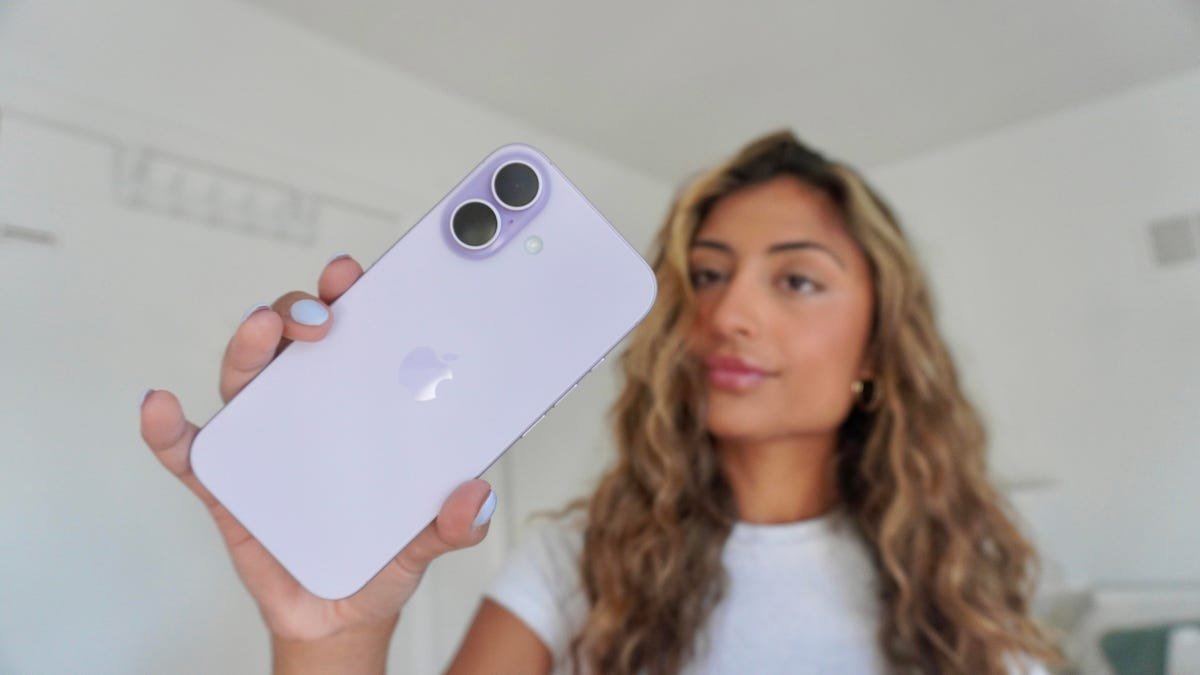
The Display Revolution: 120Hz for All
Apple's most celebrated upgrade is the inclusion of a 120Hz ProMotion display across the entire iPhone 17 series, ending years of reserving high refresh rates for Pro models. This isn't just a spec bump—it's a transformative user experience. The fluidity in scrolling, responsiveness in animations, and reduced motion blur fundamentally alter daily interactions, particularly for developers optimizing UI smoothness in apps. Combined with thinner bezels expanding the screen to 6.3 inches, 3,000 nits peak brightness for flawless outdoor visibility, and Ceramic Shield 2 for triple the scratch resistance, the display alone erodes a key Pro differentiator. As one transitions from older 60Hz iPhones, the difference is visceral; reverting feels jarringly sluggish, underscoring how this technology is now table stakes for flagship usability.
Smarter Cameras and AI-Powered Flexibility
The front camera leap from 12MP to 18MP isn't merely about sharper selfies—it enables computational photography innovations that redefine convenience. The new Center Stage system uses AI to dynamically adjust the field of view, automatically switching between portrait and landscape orientations when detecting multiple subjects. During testing, this eliminated the awkward phone rotations mid-call or group photo, functioning like an intelligent director framing shots in real-time. Rear cameras also see meaningful gains, with the ultra-wide lens jumping to 48MP Fusion for richer detail in landscapes and macros. For developers, these enhancements spotlight opportunities in augmented reality and social apps, where seamless orientation shifts could unlock new interaction paradigms.
Unmatched Value: Storage and Performance Redefined
Perhaps the most strategic win is Apple's storage overhaul. By doubling the base capacity to 256GB while holding the price at $799—effectively matching last year's 256GB tier cost—Apple addresses a universal pain point in the age of 4K videos and app bloat. This, paired with the A19 chip's efficiency gains and a battery rated for 30 hours of video playback, creates a package that caters to power users without Pro premiums. As Sabrina Ortiz notes in her ZDNET review: 'Shelling out extra for the Pro now only makes sense for avid photographers or those needing the vapor chamber cooling and A19 Pro's marginal edge.'
Why This Matters Beyond the Spec Sheet
This democratization of Pro features reflects broader industry trends: smartphone innovation is plateauing, and brands must deliver tangible value to justify upgrades. For developers, the ubiquitous 120Hz display raises the bar for app performance, demanding smoother animations and responsive interfaces. Consumers win through lowered entry barriers to premium experiences, but Apple also risks cannibalizing Pro sales—unless it redefines 'premium' with bolder innovations next cycle. Ultimately, the iPhone 17 isn't just a device; it's a statement that flagship-tier tech should be accessible, not exclusive. As Ortiz concluded: 'For most users, this is Apple's most compelling phone—proving that sometimes, the base model is the smartest choice.'
Source: Analysis based on hands-on testing and reporting by Sabrina Ortiz for ZDNET.
Comments
Please log in or register to join the discussion