As AI reshapes global power dynamics, escalating fears of Chinese espionage are stifling international collaboration and driving away vital tech talent. This deep dive from Web Summit Vancouver explores the costly trade-offs between security and innovation in the race for technological supremacy.
The atmosphere at Web Summit Vancouver this year crackled with the familiar extremes of tech discourse: utopian AI promises alongside dire job displacement warnings. Yet, stepping into a meet-up of Chinese entrepreneurs revealed a different reality—a room humming with pitches in Mandarin, punctuated by terms like "seed funding," and immigration lawyers fielding anxious queries about stalled residency applications. This vignette captures a growing tension: the collision of global technological ambition with the weight of geopolitical suspicion.
Security Fears vs. Innovation Realities
America's deepening concerns over industrial espionage have rippled through global tech hubs like Vancouver and Silicon Valley. Companies are intensifying employee vetting, hiring ex-FBI agents as "insider risk investigators," signaling pervasive unease. While cases like Hytera's $70 million penalty for stealing Motorola's radio technology validate some fears, the reaction often reveals deeper insecurities. Western disbelief greeted Chinese AI startup DeepSeek's large language model rivalling US counterparts—a skepticism figures like David Sacks, Trump's AI advisor, attributed solely to theft rather than ingenuity.
The High Cost of Closing Doors
Beijing's talent recruitment programs have long blurred lines between collaboration and IP appropriation, a situation Western nations previously overlooked for market access. Now, the pendulum has swung hard: universities sever ties with Chinese tech giants, visas face immediate denial, and students endure hours of interrogation only to be deported. Tatyana Mamut, CEO of Wayfound AI and a Ukrainian refugee, observed at the summit:
"It’s true that many cyberattacks come out of China. But it’s politically harder to accept that there are also many good Chinese ideas and that we should at least try to work together."
This missing balance—between safeguarding secrets and welcoming talent—carries profound costs. As 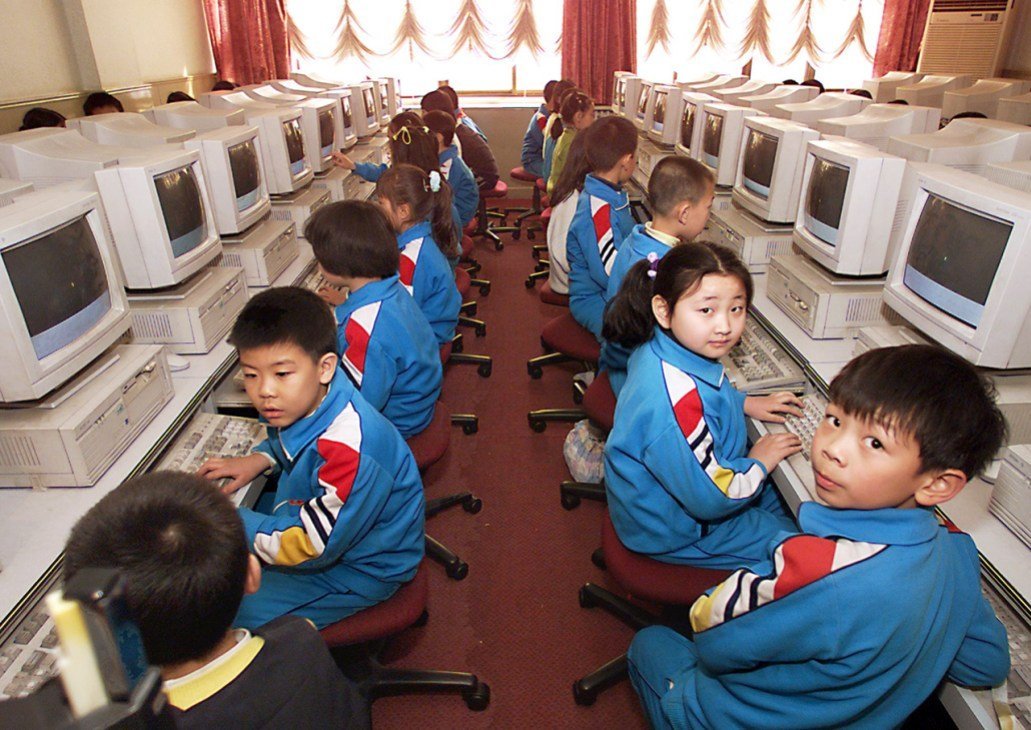 illustrates, US visa cancellations for Chinese students directly impact the talent pipeline. Yet, many groundbreaking tech teams today are led by researchers of Chinese heritage. Historical precedent shows openness fuels breakthroughs: Microsoft and Google's Chinese and Indian labs in the 2000s became crucibles for today's machine learning advances.
Beyond Zero-Sum Thinking
The future of geopolitical power hinges less on traditional military might than on technological prowess. AI's societal and economic transformation demands responsible development, hindered by framing progress as a zero-sum arms race. While Europe capitalizes on US restrictions by recruiting Chinese students, Yale scholar Yangyang Cheng warns: "When a state deems groups undesirable, no amount of degrees or professional titles can protect them."
America's Cold War triumph was fueled by welcoming global talent—a lesson forgotten in today's climate. Nuanced security protocols and international best practices are essential. Without them, fear will weaponize technology, stifling the very collaboration that drives breakthroughs and ultimately weakens the national security these measures aim to protect.
Source: Adapted from Joanna Chiu's reporting in The Monocle Minute, September 2025.
Comments
Please log in or register to join the discussion