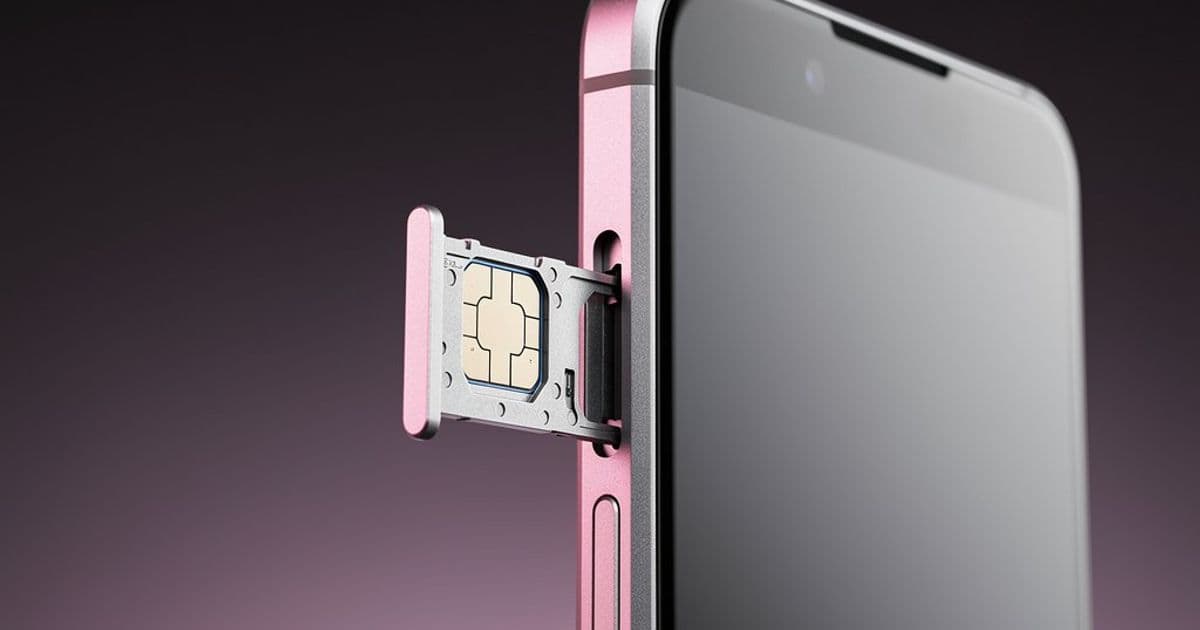
A Shenzhen-based electronics shop has successfully modified the eSIM-only iPhone Air to include a physical SIM slot, demonstrating the technical feasibility of adding hardware connectivity to Apple's minimalist design.
The iPhone Air represents Apple's most radical departure from traditional mobile hardware design in years. Sold exclusively as an eSIM-only device worldwide, it eliminates the physical SIM tray entirely—a move Apple framed as simplifying user experience and enabling a more compact form factor. However, a recent modification project from China's Huaqiangbei electronics market has proven that adding a physical SIM slot to the iPhone Air is technically possible, even while maintaining the device's water resistance rating.
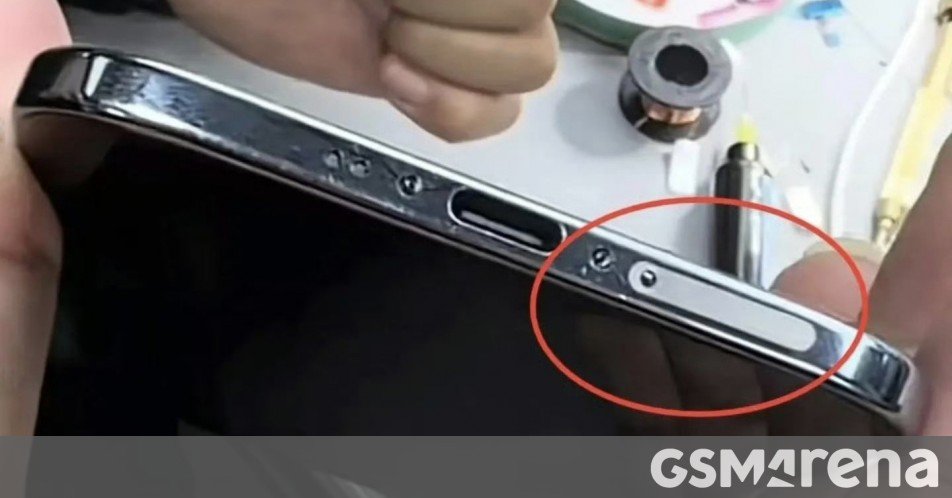
The modification, reportedly undertaken by an unnamed Shenzhen electronics store, required significant internal reengineering of the iPhone Air's compact chassis. The most critical challenge was creating physical space for a SIM card reader and slot assembly within the device's tightly packed interior. To accomplish this, the modders replaced the iPhone Air's original Taptic Engine—a sophisticated linear vibration motor that provides precise haptic feedback—with a significantly smaller unit that still delivers basic vibration functionality. This space-saving measure was essential for accommodating the SIM card reader hardware without compromising the device's structural integrity.
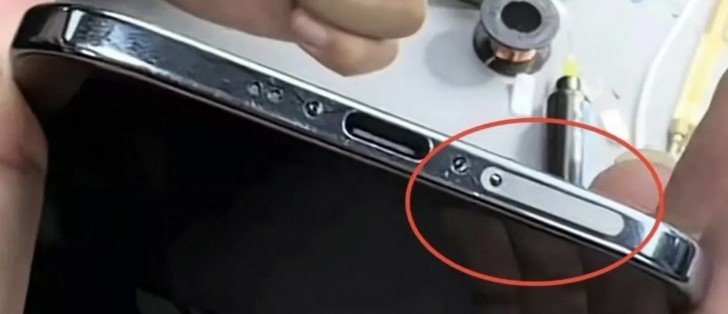
The results are more than just a proof of concept. Images from the project show the modified iPhone Air running a China Telecom SIM card, successfully making calls and accessing 5G mobile data. Perhaps most impressive is the claim that the device retains its IP68 ingress protection rating—the same water and dust resistance standard as the original iPhone Air. This suggests the modding team successfully integrated the physical SIM slot while maintaining proper sealing around the USB-C port area where the slot was added.
This modification highlights the ongoing tension between Apple's ecosystem control and user demand for hardware flexibility. The iPhone Air's eSIM-only design serves multiple strategic purposes: it reduces manufacturing complexity, eliminates a common point of failure (the SIM tray), and encourages users to stay within Apple's carrier partnership ecosystem. For travelers, however, the lack of a physical SIM slot can be problematic, as many international destinations still rely on physical SIM cards for affordable local data plans.
The technical achievement here is noteworthy. The iPhone Air's internal layout is already remarkably dense, with every millimeter of space carefully optimized. Creating room for a SIM card reader and slot assembly required not just component replacement, but likely also careful rerouting of internal cables and potential reinforcement of the chassis structure. The fact that the mod preserves IP68 rating indicates the team maintained proper gasket placement and sealing around the new opening—a non-trivial engineering challenge given the tight tolerances of smartphone design.
From an ecosystem perspective, this modification represents a user-driven response to Apple's design decisions. While Apple has positioned eSIM technology as the future of mobile connectivity—citing benefits like easier carrier switching and reduced physical waste—the reality is that global infrastructure hasn't fully caught up. Many regions, particularly in developing markets, still depend heavily on physical SIM cards. The ability to add a physical SIM slot to an eSIM-only device demonstrates that the hardware limitations are largely artificial, imposed by design choices rather than technical necessity.
The project also raises questions about repairability and device longevity. As smartphones become increasingly sealed units, user-serviceable components have virtually disappeared. This modification shows that with sufficient technical skill and access to replacement parts, even the most integrated devices can be altered. However, it's important to note that this is a professional-grade modification requiring specialized tools and expertise—not something the average user could replicate at home.
For consumers considering the iPhone Air, this modification serves as both inspiration and caution. It proves that the device's eSIM-only limitation isn't insurmountable, but also highlights the trade-offs involved in Apple's design philosophy. The iPhone Air's compact form factor and simplified connectivity come at the cost of hardware flexibility—a compromise that some users may find acceptable, while others will view as unnecessarily restrictive.
The broader implication is that as smartphone designs become increasingly minimalist and integrated, the gap between what's technically possible and what manufacturers choose to implement continues to widen. This modification demonstrates that with enough ingenuity, even the most constrained designs can be adapted to meet user needs—though often at the expense of warranty, official support, and potentially long-term reliability.
For those interested in the technical details, the modification reportedly cost between $150-200 in parts and labor, making it a relatively affordable alternative to purchasing a different device entirely. However, the lack of detailed documentation means this remains a niche project rather than a commercially viable modification. As with many hardware hacks from China's electronics markets, the true test will be whether this approach can be refined into a more reproducible process or if it remains a one-off demonstration of technical capability.
The iPhone Air modification ultimately serves as a reminder that user needs and manufacturer priorities don't always align. While Apple continues to push toward a fully wireless, eSIM-centric future, real-world connectivity requirements remain more complex. This project proves that when the gap becomes too wide, technically capable users will find ways to bridge it themselves—preserving functionality that manufacturers have chosen to remove.
Comments
Please log in or register to join the discussion