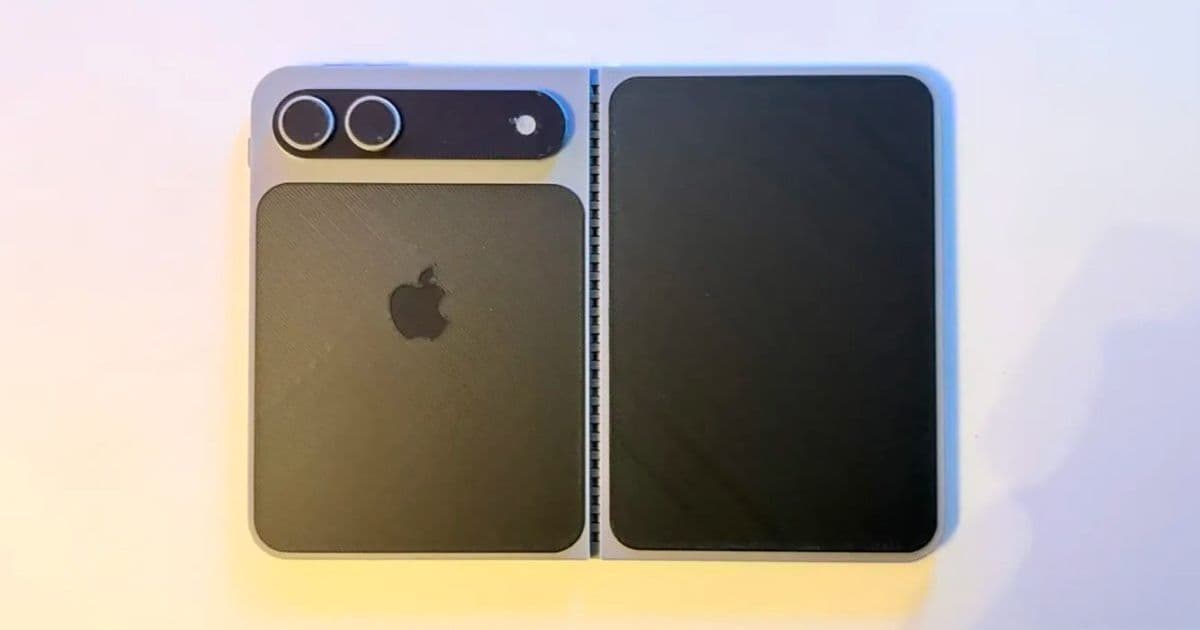
Analyst Jeff Pu details hardware specifications for Apple's upcoming foldable iPhone, highlighting Touch ID authentication, foldable display parameters, and AI-focused silicon upgrades.
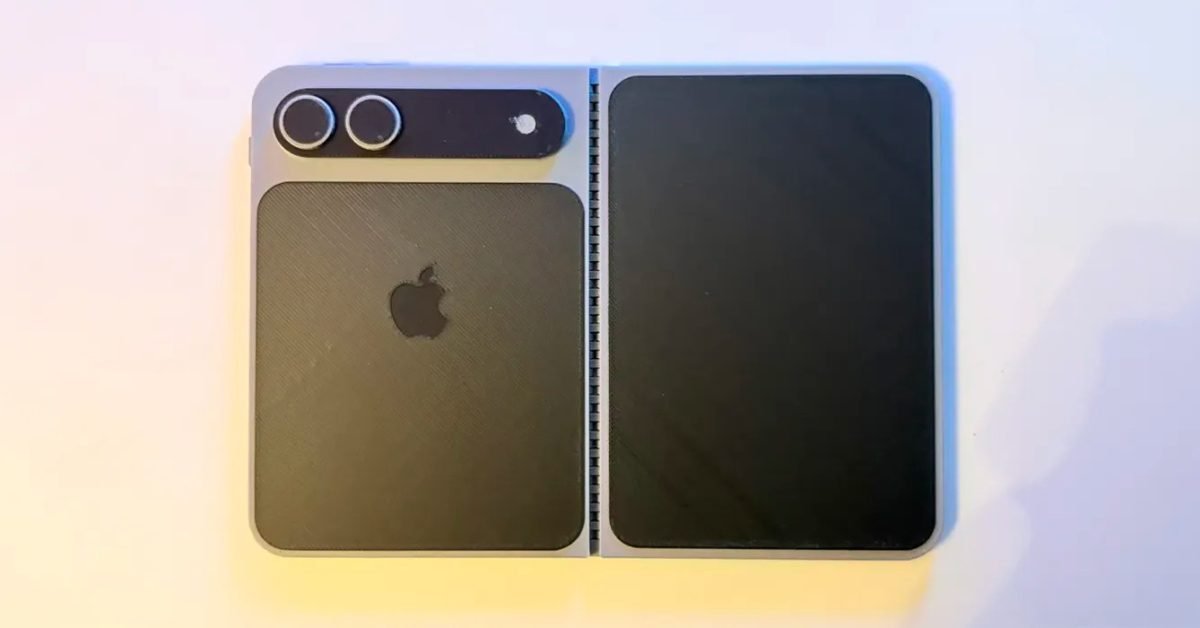
In a comprehensive investor note, Haitong International Securities analyst Jeff Pu has outlined detailed hardware specifications for Apple's anticipated iPhone Fold alongside the iPhone 18 Pro models. The report confirms several key design choices that will significantly impact how developers approach Apple's expanding form factors.
Core Hardware Specifications
Pu's specifications table reveals critical details:
| Component | iPhone 18 Pro | iPhone 18 Pro Max | iPhone Fold |
|---|---|---|---|
| Display | 6.3" | 6.9" | 7.8" internal 5.3" external |
| Biometrics | Face ID | Face ID | Touch ID |
| Materials | Aluminum | Aluminum | Titanium + Aluminum |
| RAM | 12GB LPDDR5 | 12GB LPDDR5 | 12GB LPDDR5 |
| Processor | A20 Pro + N2 + WMCM | A20 Pro + N2 + WMCM | A20 Pro + N2 + WMCM |
Notably, the iPhone Fold will exclusively rely on Touch ID instead of Face ID, requiring app developers to reconsider authentication flows. The dual-display configuration (7.8" internal, 5.3" cover screen) presents unique layout challenges differing from Android foldables.
Developer Implications
Foldable Interface Patterns: The asymmetric displays necessitate adaptive UI designs beyond simple responsive layouts. Developers should consider:
- State persistence during folding/unfolding transitions
- Dual-pane layouts optimized for the 7.8" aspect ratio
- Cover screen-specific interactions (similar to Android's post-fold handling)
Biometric Authentication: Touch ID implementation diverges significantly from Face ID's passive authentication. Apps requiring biometric security will need:
- Revised user prompts and fallback flows
- Touch ID-specific error handling
- Context-aware authentication (e.g., different requirements when folded vs unfolded)
AI Capability Alignment: The unified 12GB LPDDR5 RAM and WMCM packaging across all models signals Apple's push toward on-device AI. The N2 neural accelerator enables:
- More complex Core ML models
- Local execution of Siri enhancements
- Real-time video/audio processing
Developers should audit existing ML features for potential performance gains and consider new functionality previously requiring cloud processing.
Migration Path Recommendations
Form Factor Testing: Begin prototyping foldable layouts using:
- Xcode's variable viewport simulator (when available)
- Android foldable emulators for interaction pattern research
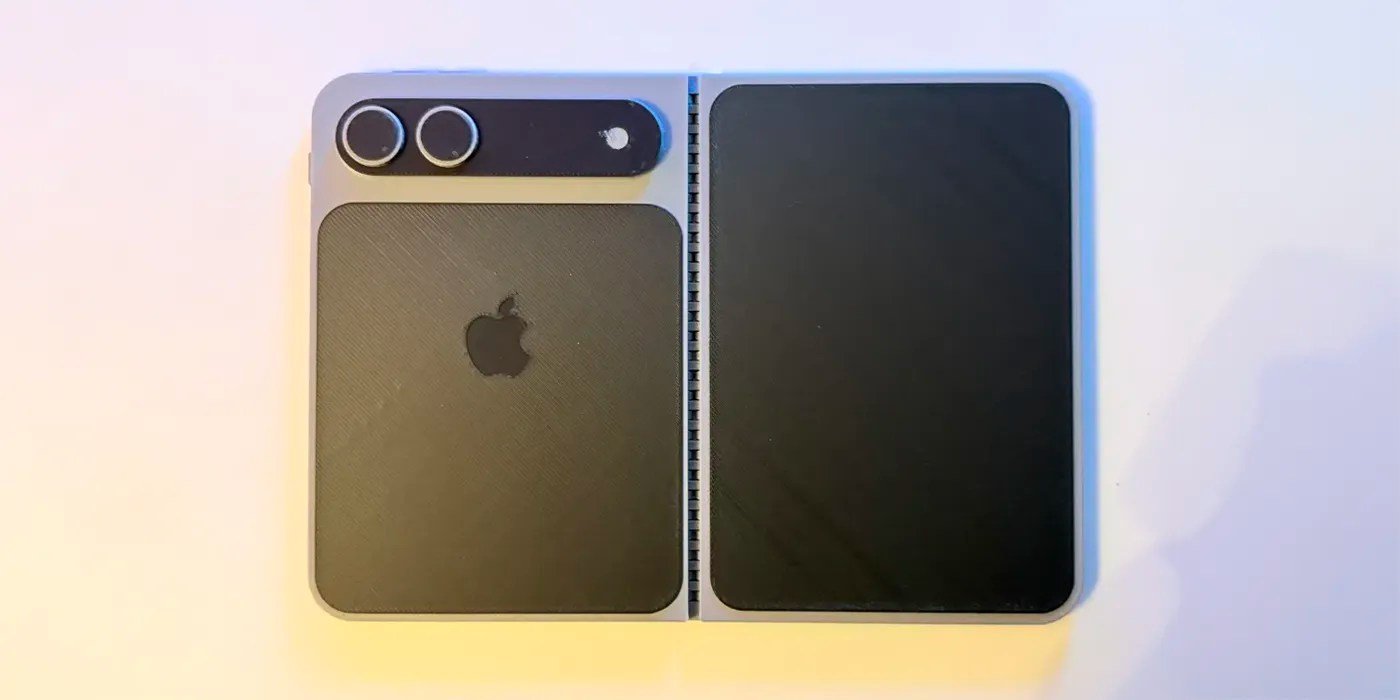
- Physical dimension mockups (7.8" at ~8:7 aspect ratio)
Authentication Refactoring: Implement modular authentication handlers supporting both Face ID (Pro models) and Touch ID (Fold). Use the LocalAuthentication framework's new
LABiometryTypeextensions to detect available methods.AI Feature Roadmapping: Audit compute-intensive features against:
- Core ML 4's on-device training capabilities
- Metal Performance Shaders for GPU acceleration
- Memory management for sustained AI workloads
Apple's decision to standardize processors and RAM across the lineup simplifies optimization but demands careful resource management for foldable-specific features. The titanium-aluminum hybrid chassis may introduce new thermal constraints during prolonged AI processing sessions.
Pu projects Apple will ship 250 million iPhones in 2026 (2% YoY growth), with the Fold positioned as a premium alternative to Android foldables. Developers targeting Apple's ecosystem should prioritize:
- Screen continuity protocols
- Thermal performance profiling
- Context-aware authentication
- Memory-intensive AI features
The iPhone Fold represents Apple's most significant form factor departure since the iPhone X. Developers who start adapting their layout systems and authentication flows now will be positioned to leverage its unique capabilities at launch.
Comments
Please log in or register to join the discussion