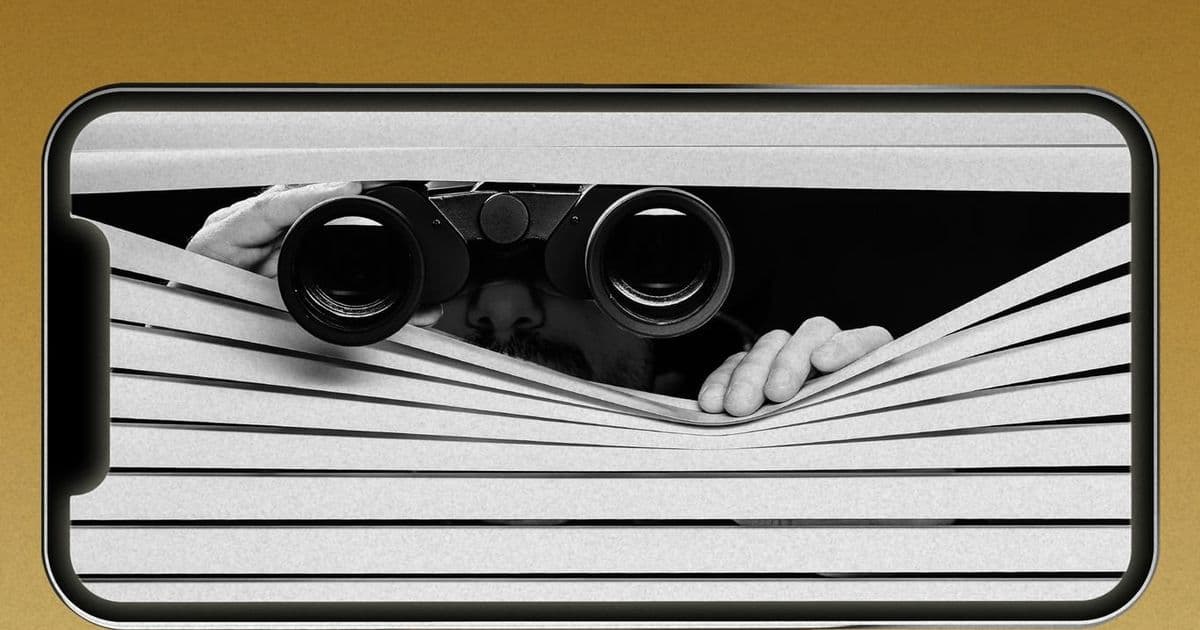
Commercial spyware companies are now selling powerful surveillance tools to anyone with money, democratizing cyber espionage and creating new threats to personal privacy.
The democratization of cyber espionage has reached a dangerous new threshold. Once the exclusive domain of nation-states and intelligence agencies, sophisticated iPhone spyware is now being sold to anyone with sufficient funds, creating a shadow market where privacy violations have become a commodity.
This shift represents more than just a technological evolution—it's a fundamental restructuring of the surveillance economy. Companies that once marketed exclusively to governments are now openly advertising their products to private investigators, corporate security firms, and even individuals with questionable motives.
The technical capabilities of these tools have advanced dramatically. Modern iPhone spyware can bypass Apple's notoriously secure ecosystem, extracting encrypted messages, call logs, location data, and even activating cameras and microphones without the user's knowledge. What once required physical access to a device can now often be deployed remotely through carefully crafted phishing attacks or malicious links.
Financially, the market has exploded. Where government-grade surveillance tools once cost millions and required extensive vetting, commercial versions are now available for tens of thousands of dollars. Some companies offer subscription models starting at just a few thousand dollars per month, making sophisticated surveillance accessible to mid-sized businesses and wealthy individuals.
This accessibility creates cascading risks. Domestic abusers can now track partners with military-grade precision. Corporate espionage has become more sophisticated and affordable. Even casual stalkers can purchase tools that would have been the envy of intelligence agencies a decade ago.
The legal framework has failed to keep pace. While many countries have strict regulations governing government surveillance, the private sale of these tools exists in a regulatory gray area. Companies exploit jurisdictional differences, operating from countries with lax oversight while selling to clients worldwide.
Apple and other tech giants are engaged in a constant arms race to patch vulnerabilities, but the commercial spyware industry has more resources than ever before. Each security update is met with new exploitation techniques, creating a perpetual cycle of vulnerability and patching.
The implications extend beyond individual privacy. As these tools become more widespread, they threaten the very foundations of digital trust. If anyone with money can compromise a smartphone, the reliability of digital communications as a whole comes into question.
What makes this particularly troubling is the normalization of surveillance. As commercial spyware becomes more common, the stigma around its use diminishes. What was once considered unethical or illegal is increasingly viewed as just another business tool or security measure.
For iPhone users, the threat landscape has fundamentally changed. The device that once represented cutting-edge privacy and security is now vulnerable to attacks that were previously unimaginable for consumer technology. The very features that make smartphones useful—constant connectivity, app ecosystems, cloud synchronization—also create vulnerabilities that sophisticated spyware can exploit.
The genie is out of the bottle. Commercial spyware has transitioned from a niche government tool to a mainstream product, and the consequences of this shift will be felt for years to come. In a world where privacy is increasingly valuable, the commodification of surveillance represents one of the most significant technological and social challenges of our time.
Comments
Please log in or register to join the discussion