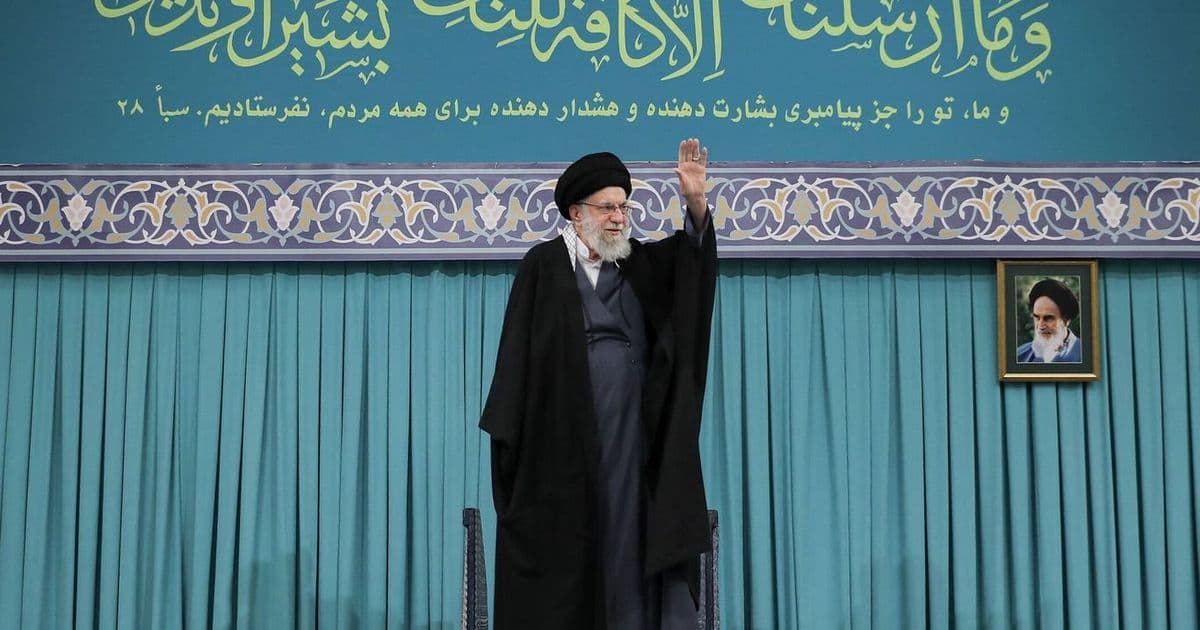
Diplomatic efforts to revive the Iran nuclear deal are unraveling, with U.S. officials indicating talks are collapsing amid deep divisions over sanctions relief and uranium enrichment limits.
Diplomatic efforts to revive the Iran nuclear deal are unraveling, with U.S. officials indicating talks are collapsing amid deep divisions over sanctions relief and uranium enrichment limits.
The Collapse of Diplomatic Momentum
After months of indirect negotiations through European intermediaries, the framework for restoring the 2015 Joint Comprehensive Plan of Action (JCPOA) appears to be disintegrating. U.S. officials, speaking on condition of anonymity, revealed that fundamental disagreements between Washington and Tehran have hardened rather than softened during recent diplomatic exchanges.
The breakdown centers on several critical sticking points. Iran insists on immediate and comprehensive sanctions relief, including unfreezing billions in frozen assets and removing restrictions on its oil exports. The United States, while willing to ease some economic pressure, demands verifiable limits on Iran's uranium enrichment capabilities and intrusive inspection protocols that Tehran views as violations of its sovereignty.
Technical and Political Impasses
From a technical standpoint, the negotiations have hit a wall over the sequencing of commitments. Iran wants all sanctions lifted before it takes any steps to roll back its nuclear program, while the U.S. insists on a step-by-step approach where each Iranian concession triggers corresponding sanctions relief. This fundamental disagreement about who moves first has paralyzed the talks.
The political context has also shifted dramatically since the negotiations began. Iran's presidential election in June brought hardliner Ebrahim Raisi to power, replacing the more moderate Hassan Rouhani. The new administration has taken a more confrontational stance toward the West, demanding greater concessions and showing less willingness to compromise on core demands.
Regional Implications and Security Concerns
The collapse of these talks carries significant regional security implications. With diplomatic channels failing, both sides appear to be preparing for alternative scenarios. Iran has accelerated its uranium enrichment activities, bringing it closer to weapons-grade material than at any point since the JCPOA was signed. Meanwhile, the United States has increased its military presence in the Persian Gulf, conducting freedom of navigation operations and strengthening alliances with regional partners concerned about Iranian influence.
Saudi Arabia and Israel, both deeply skeptical of the negotiations from the start, have intensified their diplomatic efforts to block any deal they view as too favorable to Iran. Both countries have made clear they would consider military options if they believe Iran is moving toward nuclear weapons capability.
Economic Fallout and Global Energy Markets
The potential collapse of the talks has already sent ripples through global energy markets. Oil prices have risen on concerns that renewed sanctions on Iranian exports could tighten global supply. Iran, which has been selling oil through various evasion schemes despite existing sanctions, may accelerate these efforts if formal negotiations fail, potentially leading to increased confrontations in the Persian Gulf.
European companies that had cautiously begun exploring business opportunities with Iran are now reassessing their positions. The uncertainty has frozen investment decisions and complicated supply chain planning for multinational corporations operating in the region.
What Comes Next
The immediate future appears to hold increased tensions rather than diplomatic breakthroughs. U.S. officials indicate that while the current round of talks may be suspended, they haven't been formally abandoned. However, the political will on both sides to make the necessary compromises seems to be evaporating.
Iran appears to be calculating that its nuclear advances give it leverage, while the United States believes economic pressure will eventually force Iranian concessions. This fundamental mismatch in strategic calculations suggests a prolonged period of confrontation rather than resolution.
The collapse of these talks doesn't necessarily mean immediate military conflict, but it does increase the probability of miscalculation and escalation. With diplomatic options narrowing, both sides may find themselves with fewer tools to manage crises when they arise.
As the situation develops, the international community watches with growing concern that the diplomatic window to prevent Iran from developing nuclear weapons capability may be closing, potentially setting the stage for a more dangerous and unstable Middle East.
Comments
Please log in or register to join the discussion