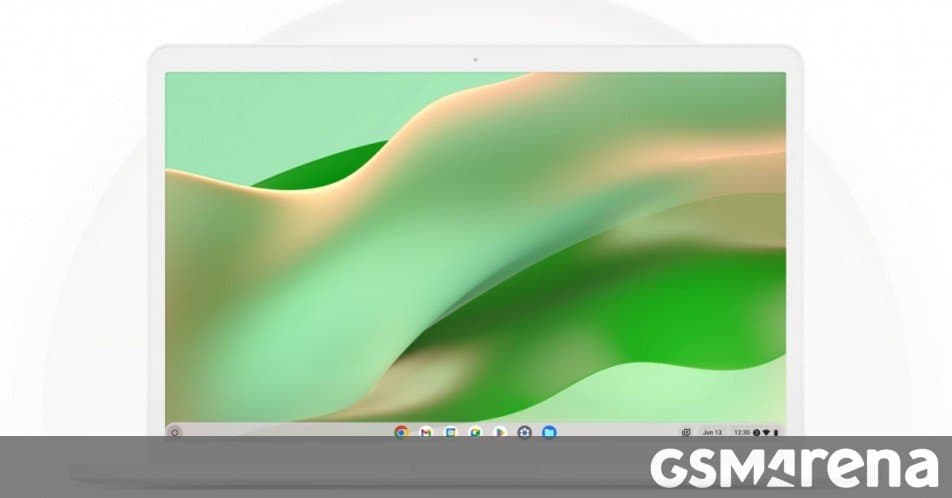
New court documents reveal Google will phase out ChromeOS by 2034 as part of its Android-ChromeOS merger into Aluminium OS, with key timelines and technical details emerging.
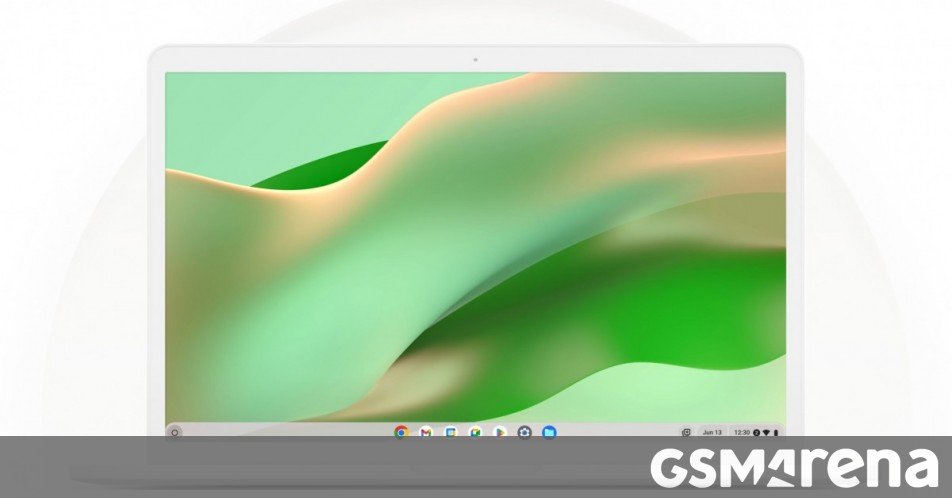
Newly surfaced court documents from the U.S. vs. Google antitrust case provide concrete details about ChromeOS's planned discontinuation. Google will officially sunset ChromeOS by 2034, aligning with its decade-long hardware support commitment for devices released in 2023. This timeline ensures existing Chromebook users receive full security updates and feature support through their devices' lifecycle.
The transition centers on Aluminium OS, Google's unified operating system merging Android and ChromeOS frameworks. Internal communications confirm Aluminium OS will fundamentally be "ChromeOS built on the Android stack," retaining Chrome's browser-centric interface while adopting Android's core architecture. This foundational shift allows tighter integration with Google's ecosystem, including privileged access for first-party apps like Chrome and Google Workspace.
According to the legal transcripts, enterprise and developer testing phases will begin in late 2026 with trusted commercial partners. A broader public rollout follows in 2028, giving manufacturers and users a six-year transition window before ChromeOS's 2034 end-of-life. Recent leaks showcase Aluminium OS's hybrid interface, blending ChromeOS's desktop-style taskbar with Android's notification shade and quick settings panel.
Technical documentation highlights strategic advantages of the merger: Android's widespread hardware compatibility reduces driver fragmentation, while ChromeOS's security model gets integrated via Android's Privacy Sandbox. This consolidation addresses antitrust concerns about maintaining multiple operating systems while streamlining Google's development resources. The move signifies Google's commitment to a unified ecosystem where mobile, tablet, and desktop experiences share core infrastructure.
Google's President of Android Ecosystems previously confirmed the Android-ChromeOS convergence last year, noting it would reduce developer friction. With Aluminium OS positioned as Google's sole desktop-class platform by 2034, users can expect deeper cross-device synchronization and consistent updates across all form factors.
Comments
Please log in or register to join the discussion