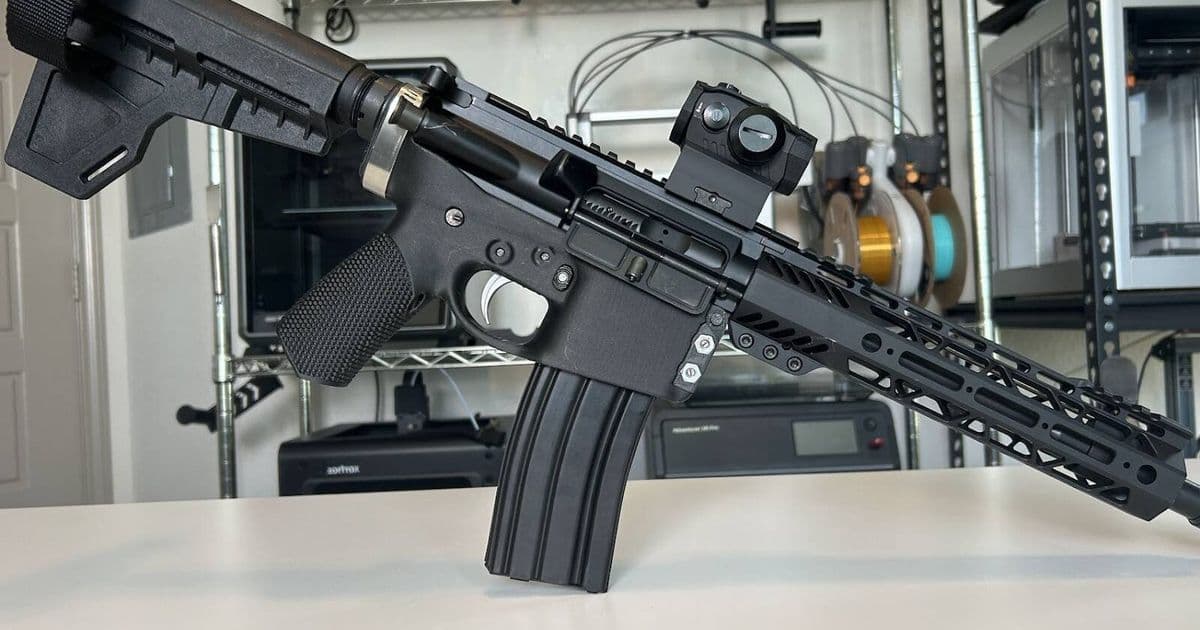
New York's proposed 3D printer regulations requiring mandatory firearm detection algorithms face technical impracticality concerns from Adafruit, threatening legitimate manufacturing and open-source innovation.
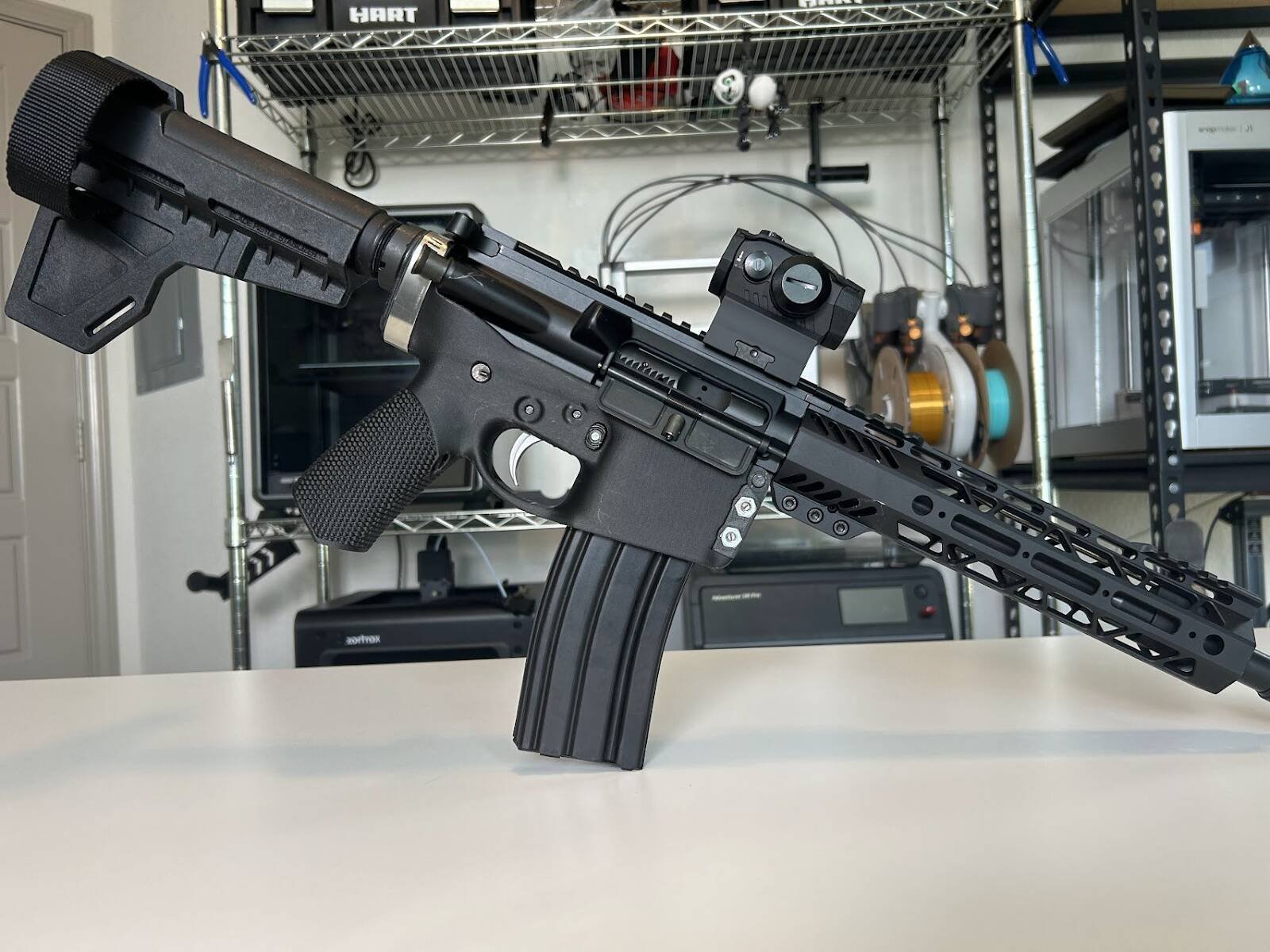
State and federal legislators are intensifying efforts to regulate 3D-printed firearms following high-profile incidents, but electronics manufacturer Adafruit warns that broadly drafted legislation could cripple legitimate manufacturing and open-source innovation. Proposed bills in New York (S.9005/A.10005), Washington State (HB 2320/2321), and federal 3D Printed Gun Safety Act aim to prevent "ghost gun" production through unprecedented technical mandates.
The legislative push follows allegations that a 3D-printed firearm was used in the 2024 killing of UnitedHealthcare CEO Brian Thompson. New York's proposal requires all 3D printers sold in the state to implement "blocking technology" – firmware that scans every print file through firearms detection algorithms and halts production of flagged designs. Crucially, the definition extends beyond typical resin-based SLA and FDM printers to include CNC mills and any digital manufacturing equipment capable of subtractive or additive processes.
Adafruit's technical analysis reveals fundamental flaws in the geometric detection approach. Firearm components share dimensional characteristics with countless industrial parts: precision gears, hydraulic fittings, structural brackets, and mechanical linkages. A false-positive analysis demonstrates impractical error rates:
| Component Type | Shared Characteristics | False Positive Risk |
|---|---|---|
| AR-15 Lower Receiver | Machining tolerances (±0.05mm), pocket depths | Industrial control panels |
| Pistol Barrel | Cylindrical bore, specific diameter ratios | Fluid transfer conduits |
| Trigger Assembly | Angled surfaces, pivot points | Robotic joint components |
"This classification problem produces untenable false positive rates," notes Adafruit's engineering team. "Detection algorithms cannot reliably distinguish between a firearm component and a high-precision driveshaft without contextual manufacturing intent." Computational benchmarks further illustrate the challenge: Real-time STL/GCODE analysis would require embedded processors capable of parsing 100+ dimensional parameters per layer while maintaining print speeds – a requirement exceeding current hobbyist-grade hardware capabilities by 300-500%.
The legislation also mandates in-person sales for all 3D printers and criminalizes digital distribution of firearm blueprints. This conflicts with open-source workflows where offline modifications and custom firmware are standard. Adafruit proposes alternative approaches: "Focus prosecution on unlawful intent and verified illegal acts rather than preemptive technology restrictions. Requiring surveillance in manufacturing tools creates systemic vulnerabilities while failing to address criminal behavior."
Beyond desktop 3D printing, the regulations threaten industrial CNC operations where false positives could halt production lines. Educational institutions using open-source manufacturing tools for robotics programs face compliance uncertainty. As lawmakers balance safety concerns against technological realities, the debate highlights growing tension between regulatory frameworks and hardware innovation ecosystems.
Comments
Please log in or register to join the discussion