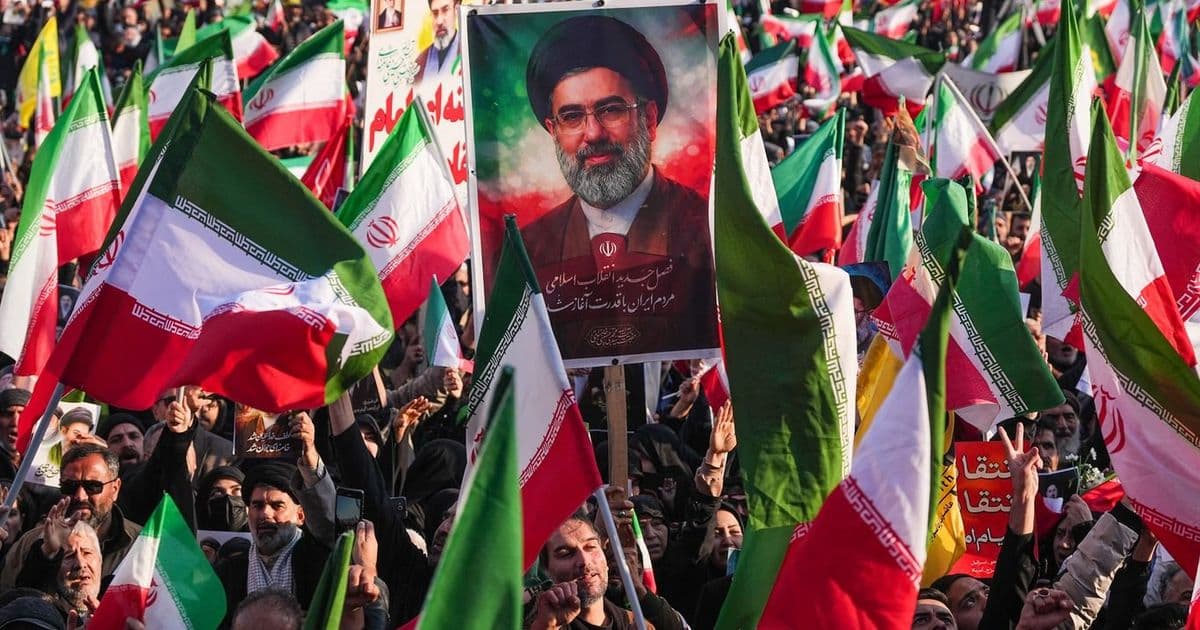
Ayatollah Mojtaba Khamenei takes power with aggressive rhetoric targeting America and Israel, signaling potential escalation in Middle East tensions.
Iran's new supreme leader, Ayatollah Mojtaba Khamenei, has vowed revenge on the United States and Israel in his first major address since assuming power, raising concerns about potential escalation in Middle East tensions.
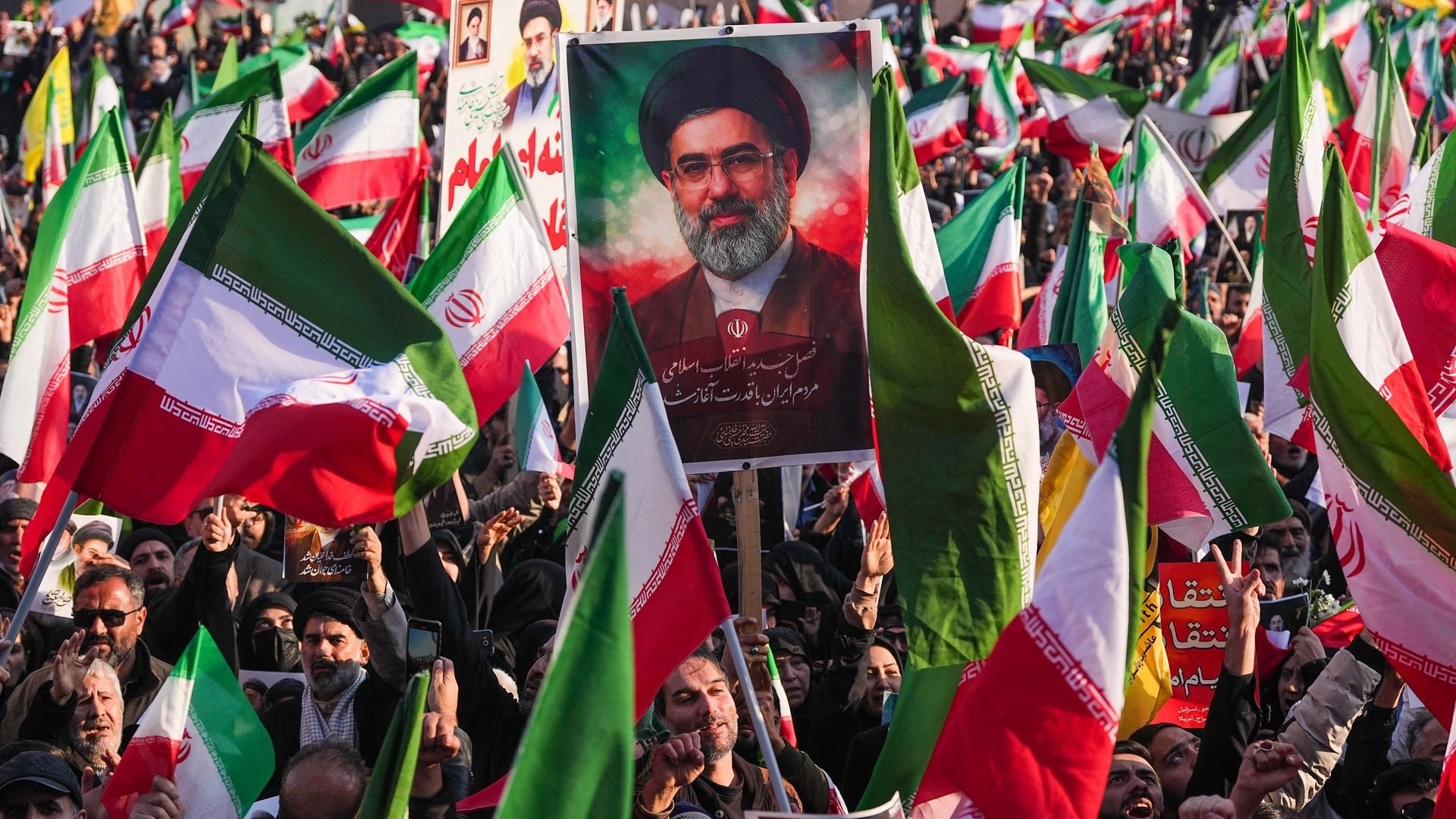
In a fiery speech delivered in Tehran on March 9, the newly appointed supreme leader declared that Iran would seek retribution against what he called "the enemies of the Islamic Republic." The address marks a significant shift in Iran's political landscape following the death of his predecessor.
Political Transition and Power Consolidation
The ascension of Ayatollah Mojtaba Khamenei represents a continuation of the clerical establishment's grip on power in Iran. As the son of the late Supreme Leader Ayatollah Ali Khamenei, his appointment was widely expected, though some analysts had speculated about potential reformist challengers.
Security forces were deployed throughout Tehran during the address, with state media broadcasting the event live across Iran's controlled media channels. The government has restricted access to social media platforms and messaging apps in the capital, limiting the flow of information to international observers.
Regional Implications
The new supreme leader's aggressive rhetoric comes at a time of heightened tensions in the region. Israel has conducted multiple airstrikes on Iranian targets in Syria in recent months, while the United States maintains economic sanctions on Iran's oil exports and financial institutions.
Middle East security experts suggest that this rhetoric serves multiple purposes: consolidating domestic support among hardline factions, signaling Iran's continued resistance to Western influence, and potentially justifying increased military spending and regional proxy activities.
International Response
Western diplomatic sources indicate that embassies in Tehran are reviewing security protocols following the speech. The United States State Department has not yet issued an official response, though intelligence agencies are reportedly monitoring Iranian military communications for any signs of imminent action.
European Union officials expressed concern about the potential for increased instability, with one senior diplomat noting that "provocative statements from Tehran only complicate efforts to address regional security challenges through diplomatic channels."
Economic Context
Iran's economy continues to struggle under the weight of international sanctions, with inflation exceeding 40% and unemployment remaining high among young Iranians. The new supreme leader's focus on external enemies may be partly aimed at deflecting attention from domestic economic hardships.
Oil exports, Iran's primary revenue source, have been significantly reduced due to sanctions, though the country has developed increasingly sophisticated methods to circumvent restrictions. The government's ability to fund regional proxy groups and military operations remains a point of contention with Western powers.
Historical Precedent
This is not the first time Iran has threatened retaliation against the United States and Israel. Since the 1979 Islamic Revolution, Iranian leadership has consistently portrayed these nations as existential threats to the Islamic Republic's survival and regional influence.
However, the current geopolitical landscape presents unique challenges. The Abraham Accords have normalized relations between Israel and several Arab states, potentially isolating Iran further. Meanwhile, Russia's war in Ukraine has complicated Iran's relationships with both Western powers and its traditional allies.
What Comes Next
Regional analysts are closely watching for concrete actions that might follow the supreme leader's rhetoric. These could include:
- Increased support for proxy groups in Lebanon, Syria, Iraq, and Yemen
- Accelerated nuclear program activities
- Cyber attacks against Western infrastructure
- Maritime provocations in the Strait of Hormuz
Iran's military capabilities have grown significantly over the past decade, particularly in missile technology and unmanned aerial vehicles. The country now possesses missiles capable of reaching Israel and U.S. military bases in the region.
Domestic Considerations
The speech also serves domestic political purposes, reinforcing the clerical establishment's narrative of perpetual struggle against external enemies. This framing helps justify restrictions on political freedoms and the suppression of dissent, which has intensified in recent years.
Human rights organizations report that Iran continues to imprison political activists, journalists, and religious minorities, with the new supreme leader's administration likely to maintain these policies as part of its consolidation of power.
The coming weeks will be critical in determining whether the new supreme leader's rhetoric translates into concrete policy changes or remains primarily symbolic. For now, the international community is watching closely as Iran enters this new phase of its political evolution.
Comments
Please log in or register to join the discussion