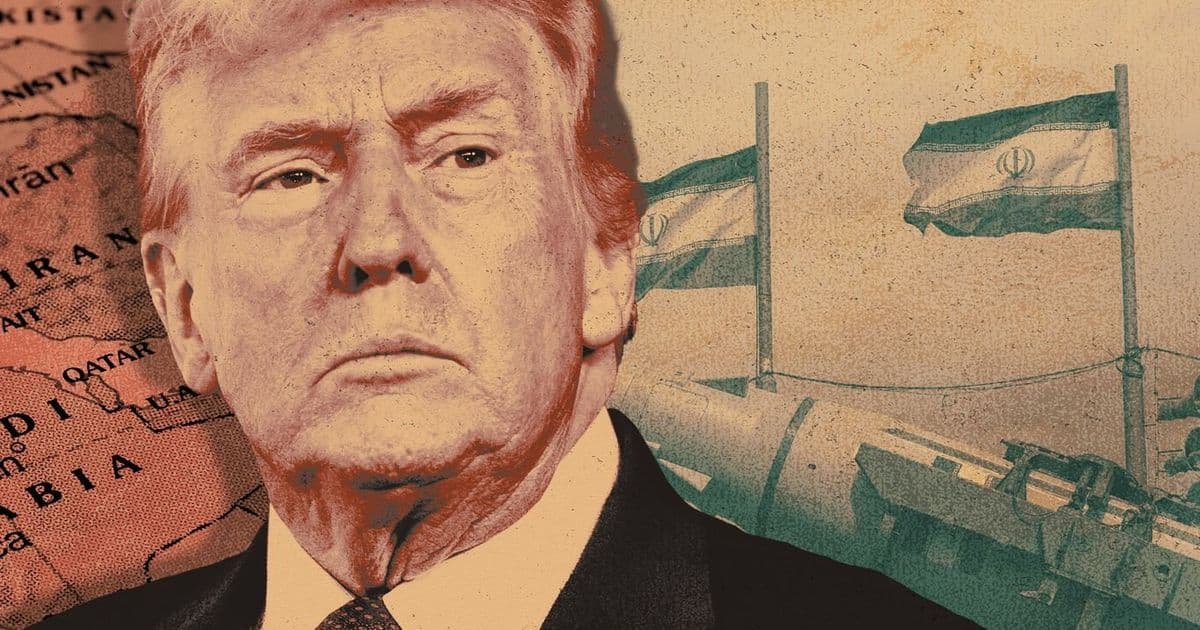
Iranian officials are skeptical of Trump's diplomatic overtures, viewing them as a potential trap rather than genuine peace efforts.
Iranian officials are deeply skeptical of President Trump's recent diplomatic overtures aimed at ending the ongoing conflict, viewing them as a potential trap rather than genuine peace efforts. This suspicion comes as tensions remain high between the two nations, with Iran's leadership questioning the true motives behind the American president's sudden push for negotiations.
The diplomatic chess game
The current situation reflects a complex geopolitical chess match where both sides are maneuvering for strategic advantage. Iran's leadership has expressed concerns that Trump's peace talks could be a calculated move to buy time, gather intelligence, or create divisions within Iranian political factions. This wariness stems from the Trump administration's previous withdrawal from the nuclear deal and subsequent "maximum pressure" campaign against Tehran.
Historical context matters
Iran's suspicion isn't unfounded given the history of U.S.-Iran relations. The 2018 withdrawal from the Joint Comprehensive Plan of Action (JCPOA) nuclear deal left a bitter taste in Tehran, with Iranian officials feeling betrayed after years of negotiations and compliance. The subsequent reimposition of sanctions and economic pressure has created a deep trust deficit that makes any diplomatic overture from Washington automatically suspect.
What's at stake
The stakes in this diplomatic standoff extend far beyond bilateral relations. The Middle East remains a powder keg of competing interests, with proxy conflicts in Yemen, Syria, and Iraq continuing to simmer. Iran's regional influence through its network of allied militias and political movements represents a significant challenge to U.S. interests and those of its regional partners, particularly Saudi Arabia and Israel.
The economic dimension
Economic factors play a crucial role in this diplomatic impasse. Iran's economy has been battered by sanctions, with inflation soaring and the currency plummeting. However, Iranian hardliners argue that showing weakness in negotiations could lead to even more concessions, while moderates believe engagement might provide economic relief. This internal debate within Iran mirrors the broader strategic calculation about whether to engage with Trump's overtures.
Regional reactions
Other regional powers are watching these developments closely. Saudi Arabia, which has been engaged in a proxy war with Iranian-backed forces in Yemen, would likely welcome any reduction in Iranian influence. Israel, meanwhile, has consistently opposed any deal that doesn't completely dismantle Iran's nuclear program and limit its missile capabilities.
The technology angle
Interestingly, the technological dimension of this conflict has become increasingly important. Both nations have invested heavily in cyber capabilities, with Iran developing sophisticated cyber weapons and the U.S. maintaining advanced surveillance and cyber warfare capabilities. The role of technology in intelligence gathering, communication interception, and potential sabotage adds another layer of complexity to any diplomatic engagement.
What comes next
The path forward remains uncertain. If Iran continues to view Trump's peace talks as a trick, the likelihood of meaningful negotiations diminishes significantly. However, the alternative—continued escalation—carries its own risks, including the potential for military confrontation that could destabilize the entire region.
The human factor
Beyond the geopolitical calculations, the human cost of this standoff cannot be ignored. Ordinary Iranians continue to suffer under economic sanctions, while regional populations bear the brunt of proxy conflicts. Any genuine peace effort would need to address these humanitarian concerns to gain legitimacy among the affected populations.
Looking ahead
The coming months will be critical in determining whether these diplomatic overtures can overcome decades of mistrust and hostility. Iran's leadership will need to decide whether Trump's peace talks represent a genuine opportunity for de-escalation or indeed another trick in a long history of adversarial relations. The answer to this question could shape Middle Eastern geopolitics for years to come.
The complexity of this situation underscores the challenges of diplomacy in an era of deep mistrust and competing strategic interests. Whether Trump's peace talks can bridge this divide remains to be seen, but Iran's suspicion serves as a reminder that in international relations, trust must be earned through consistent actions over time, not just diplomatic rhetoric.
Comments
Please log in or register to join the discussion