
Escalating tensions with Iran create a complex dilemma for the Trump administration as it faces constrained options for managing potential oil price spikes.
The Trump administration finds itself in a precarious position as tensions with Iran continue to escalate, leaving policymakers with few viable options to mitigate potential oil price shocks. The complex geopolitical situation creates a challenging environment where traditional tools for managing energy markets may prove insufficient or counterproductive.
The Geopolitical Context
The current standoff with Iran represents one of the most significant flashpoints in global energy markets. Iran's strategic position along the Strait of Hormuz, through which roughly 20% of the world's oil flows, makes any military confrontation a direct threat to global oil supply. The Trump administration's "maximum pressure" campaign against Iran has already pushed crude prices higher, and any military action could trigger a substantial spike.
Limited Policy Tools
Historically, administrations facing oil price volatility have several tools at their disposal: releasing oil from the Strategic Petroleum Reserve, pressuring OPEC to increase production, or easing sanctions to allow more Iranian oil onto the market. However, each of these options presents significant drawbacks in the current context:
- Strategic Petroleum Reserve releases would provide only temporary relief and could be seen as a sign of weakness
- OPEC negotiations are complicated by the administration's strained relationships with key producers
- Easing sanctions would undermine the administration's maximum pressure strategy and could face domestic political backlash
Market Dynamics
The global oil market has evolved significantly since previous geopolitical crises. The shale revolution has made the U.S. a major producer, but this also means domestic producers benefit from higher prices. This creates a political dilemma where the administration's energy independence gains could be offset by consumer pain at the pump.
Economic Implications
Rising oil prices have broad economic consequences beyond just fuel costs. Higher energy prices can fuel inflation, reduce consumer spending in other areas, and potentially slow economic growth. For an administration that has touted economic performance as a key achievement, this presents a significant political vulnerability.
The Political Tightrope
The Trump administration must balance multiple competing interests: maintaining pressure on Iran, managing domestic economic concerns, and navigating relationships with allies who may be affected by oil price volatility. This delicate balance leaves few good options and increases the risk of miscalculation.
Looking Ahead
As tensions persist, the administration's ability to manage oil price volatility will be severely tested. The limited options available suggest that any significant escalation with Iran could lead to sustained higher oil prices, with all the economic and political consequences that entails. The coming months will reveal whether the administration can navigate this complex energy landscape or whether it will be forced to make difficult choices between competing priorities.
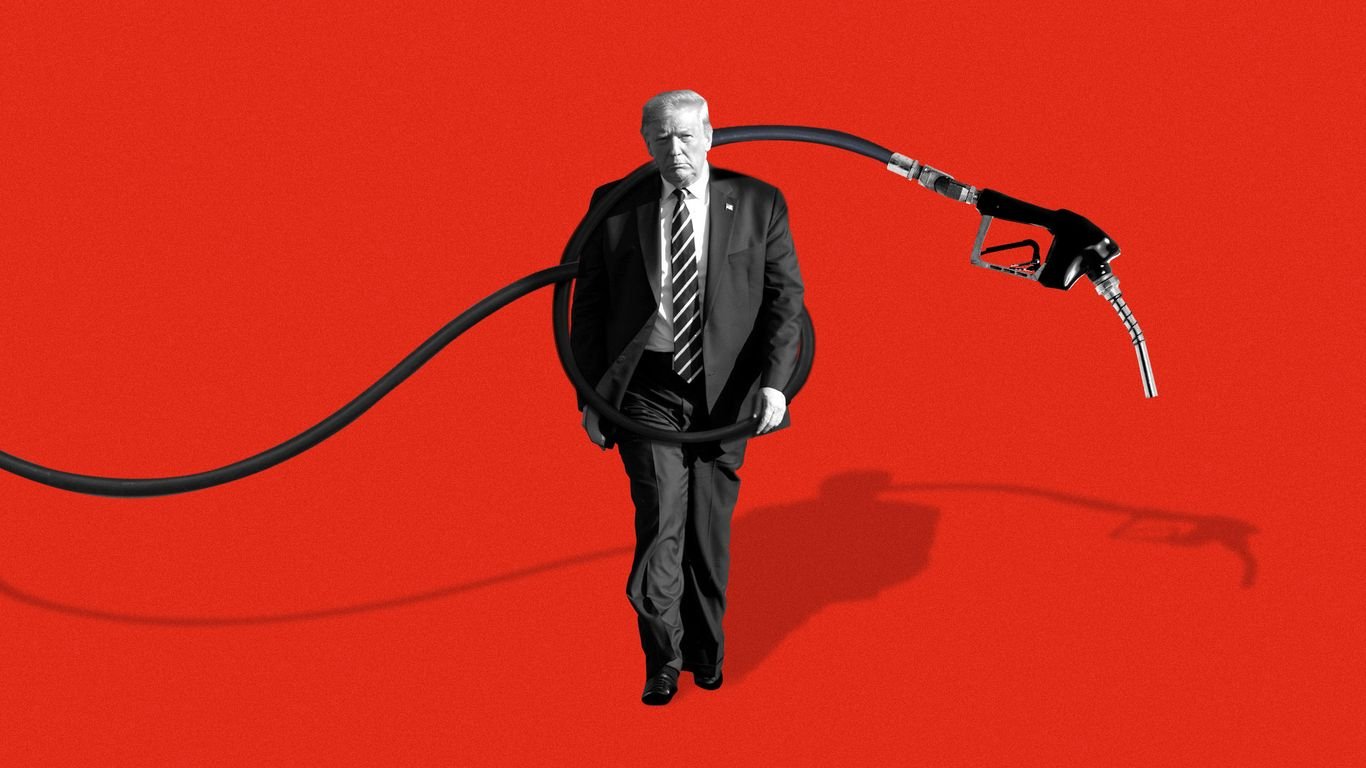
The situation underscores the interconnected nature of energy security, foreign policy, and domestic economic concerns in an era of heightened geopolitical tensions. With traditional tools proving inadequate and political constraints limiting options, the administration faces a challenging path forward in managing the potential economic fallout from its Iran policy.
Comments
Please log in or register to join the discussion