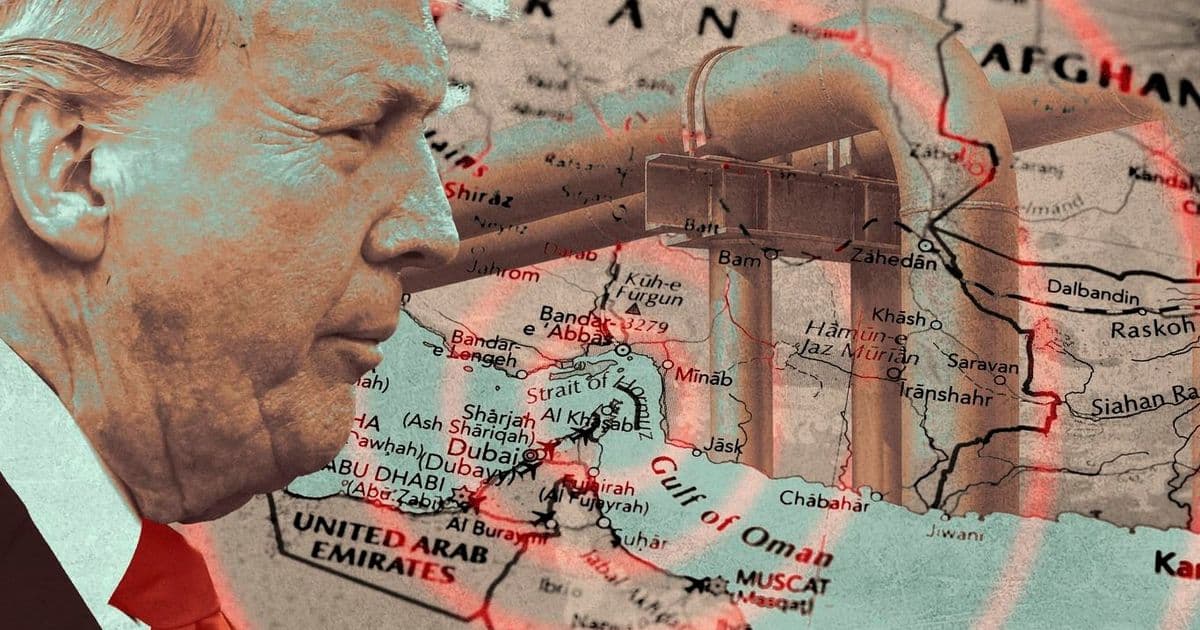
President Trump's strategy to pressure Iran through oil sanctions faces a critical test as Tehran threatens to close the Strait of Hormuz, potentially triggering a military confrontation that could reshape Middle East dynamics.
President Trump's maximum pressure campaign against Iran faces a critical juncture as Tehran threatens to close the Strait of Hormuz in response to U.S. sanctions targeting its oil exports. The strategic waterway handles roughly 20% of global oil shipments, making any disruption a potential economic catastrophe.
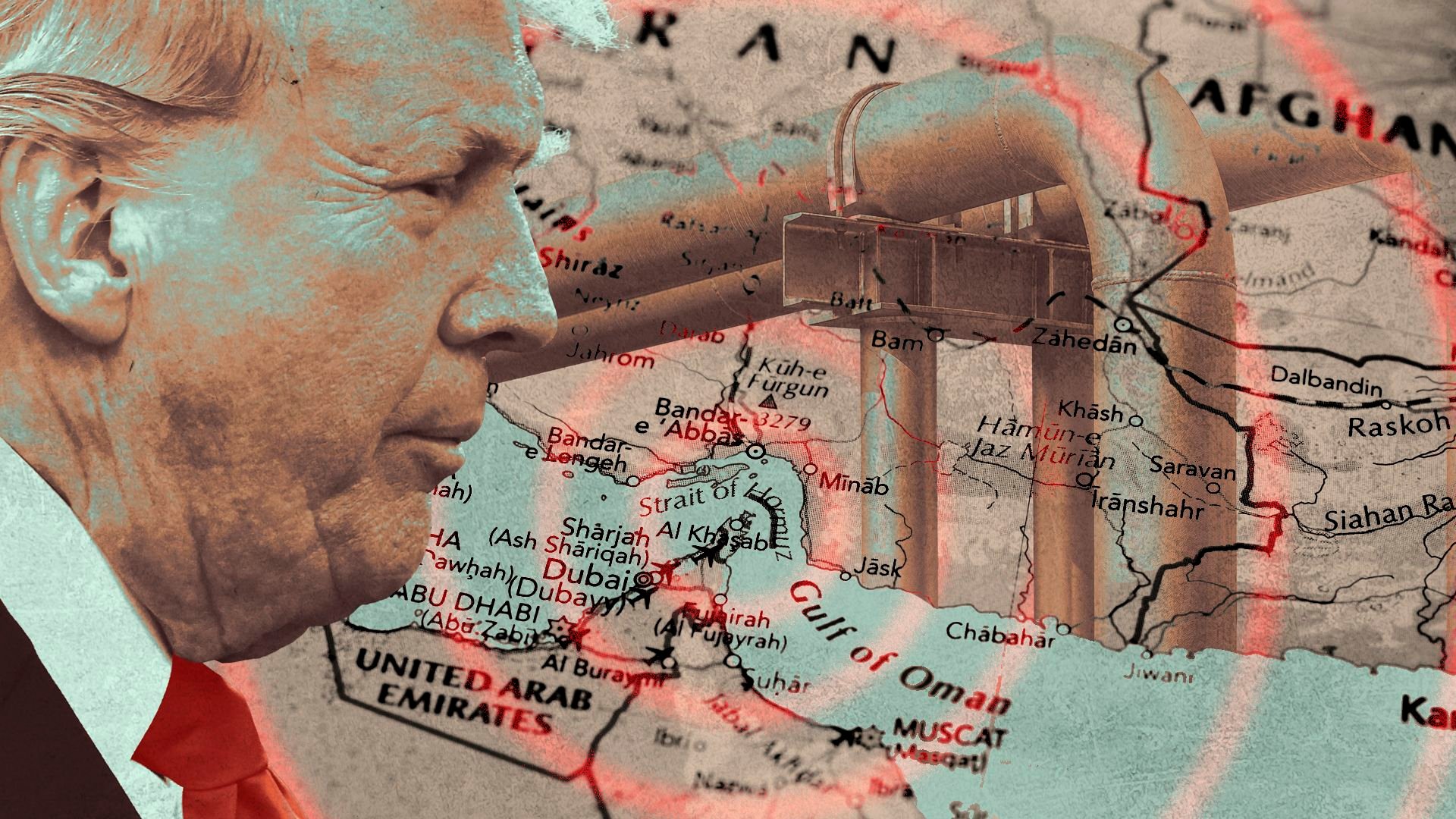
The economic stakes are enormous. A complete closure of the strait could push oil prices above $150 per barrel, according to industry analysts. This would not only devastate global markets but also undermine Trump's domestic economic achievements, which he's touted as central to his reelection campaign.
Iran's Revolutionary Guard has conducted military exercises simulating the closure of the strait, deploying speedboats, anti-ship missiles, and naval mines. The exercises demonstrate Tehran's capability to disrupt shipping through the narrow waterway, which at its narrowest point is just 21 miles wide.
Trump's options are narrowing. Military experts suggest that preventing a closure would require a significant U.S. naval presence and potentially preemptive strikes on Iranian missile sites. However, such actions risk escalating into a broader conflict that could draw in regional powers and potentially trigger Iranian retaliation through proxy forces in Iraq, Syria, and Yemen.
The sanctions themselves have already reduced Iranian oil exports by approximately 1.5 million barrels per day since Trump withdrew from the 2015 nuclear deal. This represents about 80% of Iran's pre-sanction export levels. The remaining exports are primarily going to China, which has continued purchasing Iranian oil despite U.S. pressure.
European allies are caught in the middle. While supporting Trump's goal of preventing Iran from obtaining nuclear weapons, European nations have criticized the unilateral sanctions approach. They've attempted to create a special payment mechanism called INSTEX to allow legitimate trade with Iran, though its effectiveness has been limited.
Iran's economy is already reeling from the sanctions, with inflation exceeding 40% and the currency losing over half its value against the dollar. The government in Tehran faces mounting pressure from its population, which has seen food and medicine prices skyrocket.
The military balance remains precarious. The U.S. maintains a significant naval presence in the Persian Gulf, including aircraft carriers and missile defense systems. However, Iran's arsenal of ballistic missiles and its ability to target U.S. bases in the region through proxy forces creates a complex deterrent dynamic.
Trump administration officials have stated that they want to negotiate a new, more comprehensive deal with Iran that would address not just nuclear issues but also Iran's ballistic missile program and support for regional militias. However, Iran has insisted it will not negotiate under pressure and has threatened to abandon additional nuclear restrictions if European nations cannot provide economic relief.
The coming months will test whether Trump's strategy of maximum pressure can achieve its objectives without triggering a military confrontation that could spiral beyond control. The Strait of Hormuz remains the most likely flashpoint, where economic pressure and military deterrence intersect in the world's most vital oil artery.
What happens next could reshape Middle East dynamics for years to come. If Iran backs down, Trump's approach gains credibility. If the U.S. backs down, Iran's position strengthens. If neither side yields, the region could face its most dangerous crisis since the 2003 Iraq invasion.
Comments
Please log in or register to join the discussion