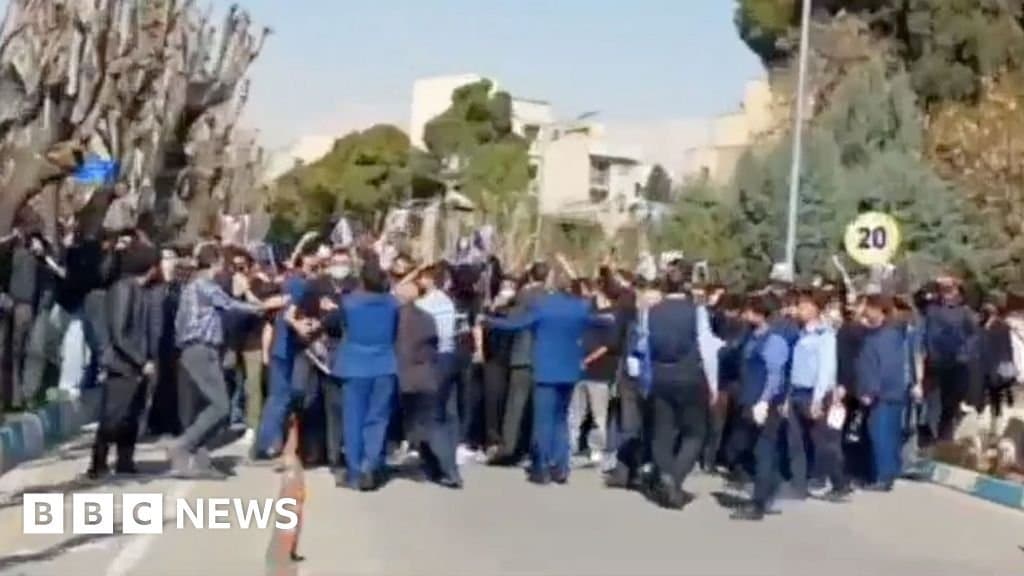
Students at Iran's leading technology universities have reignited anti-government demonstrations, leveraging digital tools to organize and document protests while international pressure mounts over nuclear negotiations.
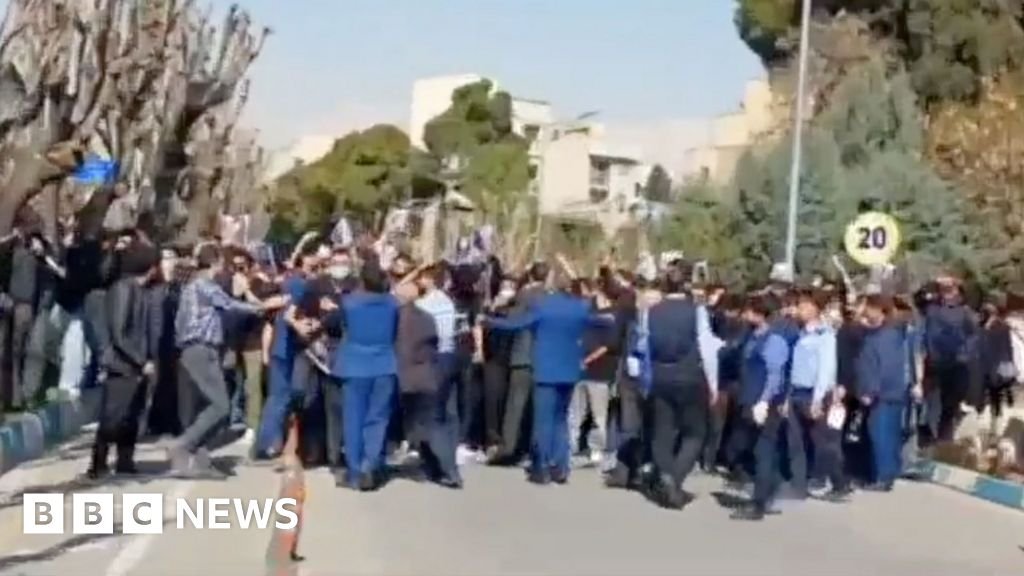
Students at Tehran's Sharif University of Technology led Iran's first major anti-government protests since January's deadly crackdown, deploying tech-enabled coordination methods as geopolitical tensions escalate. Verified footage shows hundreds marching through campus chanting anti-government slogans, while rival pro-government groups staged counter-protests nearby.
This resurgence coincides with heightened US military posturing. President Trump recently stated he's considering military action against Iran within "10 days" if nuclear negotiations fail. The US maintains significant forces in the region, with aircraft carrier groups positioned near Iranian waters.
Technology plays a crucial role in these demonstrations. Students used encrypted messaging apps to organize gatherings while documenting government responses through smartphone footage. BBC Verify teams analyzed this user-generated content to confirm protest locations and scale, revealing tactics like:
- Decentralized coordination avoiding centralized platforms
- Geotagged videos validating event locations
- Timestamp cross-referencing to map protest sequences
Iran's technology universities serve as critical hubs for both innovation and dissent. Sharif University graduates founded major startups like Digikala (Iran's Amazon equivalent) and Snapp (its Uber counterpart). Continued unrest threatens brain drain as skilled engineers seek stability abroad. Sanctions already constrain Iran's $1.8 billion tech sector by limiting access to:
- Cloud infrastructure providers
- International payment processors
- Development tools and APIs
Disinformation campaigns compound the complexity. Both government loyalists and opposition groups flood social media with manipulated content. Telegram channels spread unverified claims about protest sizes, while state media counters with doctored imagery showing minimal turnout.
The human cost remains staggering. US-based Human Rights Activists News Agency documented over 7,000 deaths during January's protests, including 226 children. Iranian authorities claim most casualties were security personnel attacked by "rioters."
For Iran's startup ecosystem, prolonged instability risks freezing venture investment. Before sanctions, the country attracted over $250 million annually in tech funding. Now, investors monitor whether renewed protests could trigger:
- Accelerated emigration of technical talent
- Disruption of Iran's National Information Network (local internet)
- Opportunities for VPN and censorship-circumvention tools
As Trump deliberates military options, technology continues shaping this conflict. Tehran-based developers quietly build secure communication tools while students document rights violations. The coming weeks will reveal whether digital resilience can outpace physical repression.
Comments
Please log in or register to join the discussion