U.S. officials express dismay as Israel targets Iranian fuel storage facilities beyond expected scope
Israeli airstrikes targeting Iranian fuel depots have expanded beyond what U.S. officials anticipated, according to sources familiar with the matter. The strikes, which occurred overnight, have significantly escalated tensions between the two regional powers.
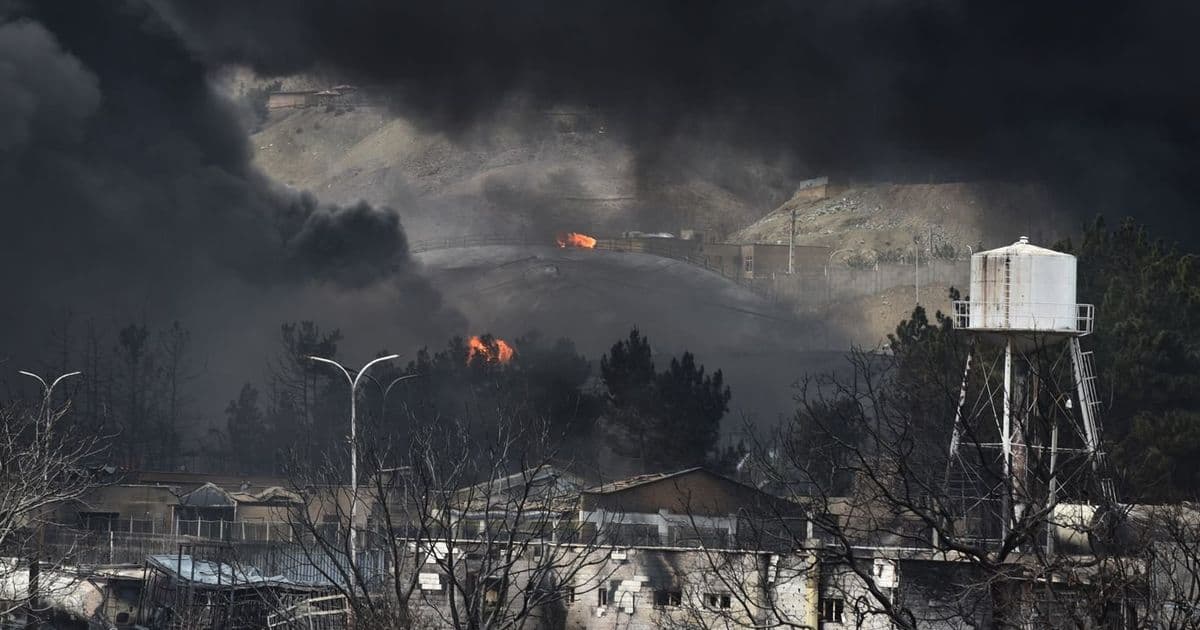
Smoke rises over oil depot tanks in Tehran on March 8, 2026, after overnight strikes as the conflict with Iran escalates. Photo: Kaveh Kazemi/Getty Images
The attacks focused on critical infrastructure, specifically fuel storage facilities that serve as key components of Iran's energy distribution network. U.S. officials, who had been monitoring the situation closely, expressed surprise at the scale and targeting choices made by Israeli forces.
Sources indicate that American military and diplomatic personnel had expected more limited operations, possibly targeting military installations or weapons storage sites. Instead, the strikes hit civilian infrastructure, raising concerns about potential humanitarian impacts and the broader strategic implications.
The fuel depot attacks represent a significant escalation in the ongoing shadow conflict between Israel and Iran. These facilities are not only economically vital but also serve military logistics operations, making them strategic targets in any sustained campaign.
Regional analysts suggest the strikes could have several immediate effects:
- Disruption of fuel supplies to civilian populations
- Potential shortages affecting military operations
- Economic impacts from damaged infrastructure
- Increased pressure on Iran's government to respond
International observers are now watching closely to see how Tehran will react. The Iranian government has not yet issued an official response, but military and political leaders are likely convening emergency meetings to determine their next steps.
The timing of these strikes appears particularly sensitive, coming amid broader regional tensions and ongoing diplomatic efforts to manage conflicts in the Middle East. The targeting of fuel infrastructure specifically suggests a strategy aimed at crippling Iran's operational capabilities while avoiding direct military confrontation.
For the United States, the situation presents a diplomatic challenge. American officials must balance their strategic relationship with Israel against concerns about escalation and the potential for broader regional conflict. The unexpected nature of the strikes has reportedly caught some U.S. planners off guard, forcing rapid reassessment of regional security calculations.
Energy markets are already showing signs of volatility in response to the news, with oil futures experiencing upward pressure as traders assess the potential for supply disruptions. The affected facilities represent a portion of Iran's total refining and storage capacity, though the full extent of damage remains unclear.
As the situation develops, attention will focus on Iran's response capabilities and the potential for further escalation. The strikes mark a significant moment in the ongoing regional power struggle, with implications that extend far beyond the immediate targets.
Comments
Please log in or register to join the discussion