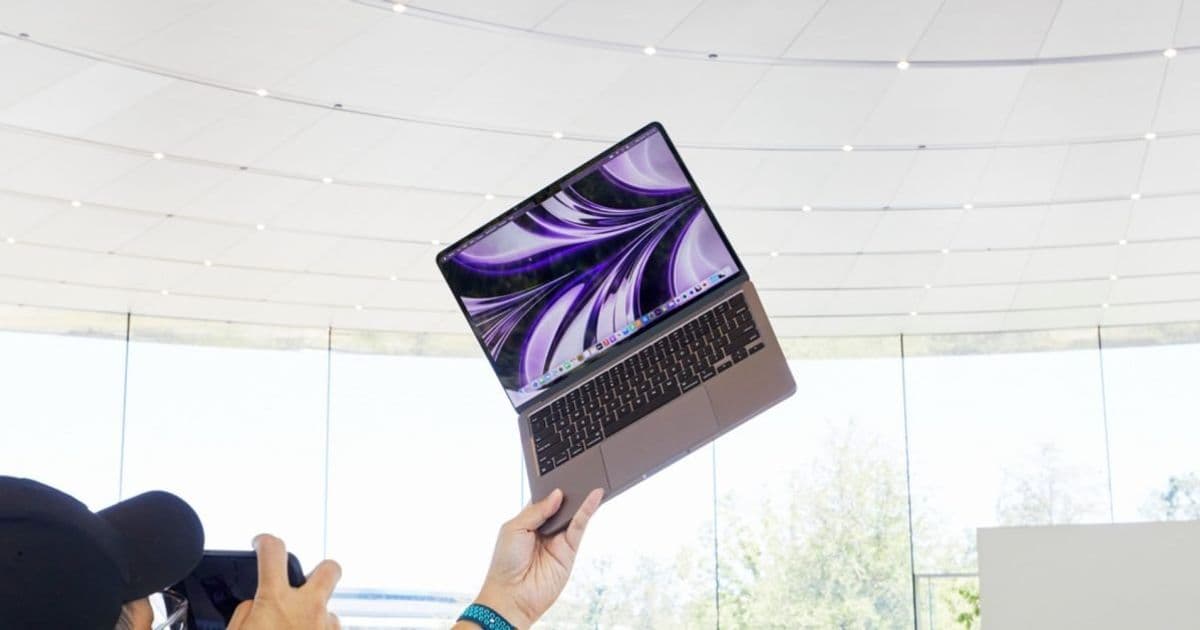
With 120Hz ProMotion displays introduced nearly a decade ago, Apple continues reserving higher refresh rates for premium models while mid-tier devices like iPad Air and MacBook Air remain stuck at 60Hz despite their premium pricing.
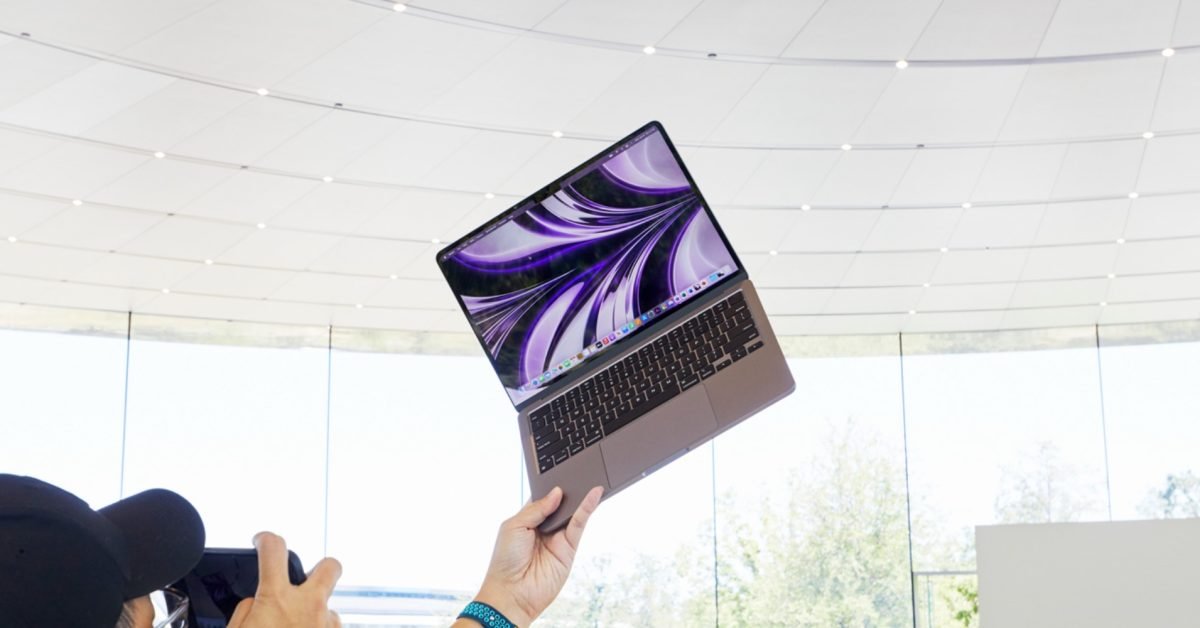
It's been nearly a decade since Apple introduced its first 120Hz ProMotion display on the 2017 iPad Pro, yet this technology remains curiously restricted to Apple's highest-end devices. While the company finally brought 120Hz to the base iPhone models this year, mid-range products like the iPad Air and MacBook Air continue shipping with 60Hz displays despite commanding premium prices. This technological stagnation creates noticeable usability gaps in Apple's ecosystem.
When Apple launched ProMotion in 2017, the feature represented cutting-edge display technology. Today, 120Hz refresh rates have become commonplace across the industry, with even mid-range Android smartphones and Windows laptops adopting the technology. Higher refresh rates objectively improve user experience: animations appear smoother, scrolling becomes more responsive, and the entire interface feels faster. While some argue casual users might not consciously notice the difference, the cumulative effect creates a more polished interaction that aligns with Apple's reputation for quality.
The pricing structure makes Apple's display strategy particularly puzzling. Consider the iPad lineup: The 11-inch iPad Air starts at $599 while the equivalent iPad Pro begins at $999. That $400 gap effectively eliminates meaningful cross-shopping between these tiers. Consumers who need Pro features like tandem OLED displays or M-series chips will opt for Pro models regardless, while budget-conscious shoppers won't stretch an extra $400 solely for a smoother display. Similarly, the MacBook Air starts at $999 – hardly a budget price – yet lacks the 120Hz display found in comparably priced Windows laptops.
Apple's reluctance to upgrade these displays seems particularly jarring given how long the technology has existed within their own product ecosystem. The company shipped a 120Hz LCD display on the $649 10.5-inch iPad Pro back in 2017. Today, LCD panels supporting higher refresh rates have become significantly more affordable to manufacture. Even adopting a middle-ground solution like 90Hz would represent meaningful progress for devices positioned between Apple's budget and premium tiers.
This isn't to suggest Apple should eliminate all differentiation between product tiers. Entry-level devices like the base iPad and rumored budget MacBook will likely continue using 60Hz displays, which remains understandable given their price positioning. However, products like the iPad Air and MacBook Air occupy premium mid-range positions where competitors routinely include higher refresh rates. Apple risks undermining its reputation for thoughtful user experience when $600-$1,000 devices lack display technology the company mastered years ago.
As display technology advances across the industry, maintaining 60Hz panels in mid-tier devices increasingly feels like an artificial limitation rather than a necessary cost-saving measure. For a company that prides itself on seamless user experiences, upgrading these displays would deliver tangible improvements without disrupting Apple's carefully calibrated product ladder.
Comments
Please log in or register to join the discussion