Emerging collaboration between Japan and Taiwan's drone industries signals strategic shift to reduce dependence on Chinese manufacturing, with both nations leveraging complementary strengths in component production and system integration amid regional security concerns.
The nascent cooperation between Japan and Taiwan in the drone industry represents a significant strategic shift in East Asia's technology landscape, as both nations seek to counterbalance China's overwhelming dominance in manufacturing and supply chains. This emerging partnership, though in early stages, addresses critical vulnerabilities in regional defense and commercial drone ecosystems.
Market Context and Current Landscape
The global drone market has experienced exponential growth, valued at approximately $30.6 billion in 2025 and projected to reach $58.4 billion by 2030, according to Drone Industry Insights. Taiwan's drone exports have demonstrated particularly remarkable performance, with European imports increasing 40-fold since the Ukraine conflict highlighted the strategic importance of unmanned aerial systems.
Japan's recent easing of arms export rules, implemented in late 2025, has created new opportunities for defense technology collaboration. This regulatory shift enables Japanese companies to engage in joint development projects with international partners, including Taiwan—a move previously constrained by Japan's pacifist post-war constitution.
Strategic Drivers of Cooperation
Several factors are converging to accelerate this Japan-Taiwan drone partnership:
Supply Chain Diversification: China currently controls approximately 70% of global drone component manufacturing, particularly in batteries, motors, and electronic systems. Both Japan and Taiwan seek to establish alternative supply chains, with Japan focusing on high-precision components and Taiwan specializing in system integration.
Security Imperatives: The demonstrated effectiveness of drones in recent conflicts, including Ukraine and the Iran-Israel tensions, has underscored their strategic value. As Taiwan faces persistent security threats and Japan expands its defense capabilities, domestic production capabilities have become increasingly critical.
Economic Synergies: Japan's advanced materials science and precision manufacturing complement Taiwan's strength in electronics production and systems integration. This complementary relationship could create a more competitive alternative to Chinese manufacturers.
Current Initiatives and Implementation
Practical cooperation has begun through several channels:
Joint Development Projects: Companies like Japan's Terra Drone have partnered with Taiwanese manufacturers on specialized drone systems. Terra Drone, which has already established operations supporting Ukrainian defense efforts, has begun collaborating with Taiwanese counterparts on reconnaissance and delivery drones optimized for regional conditions.
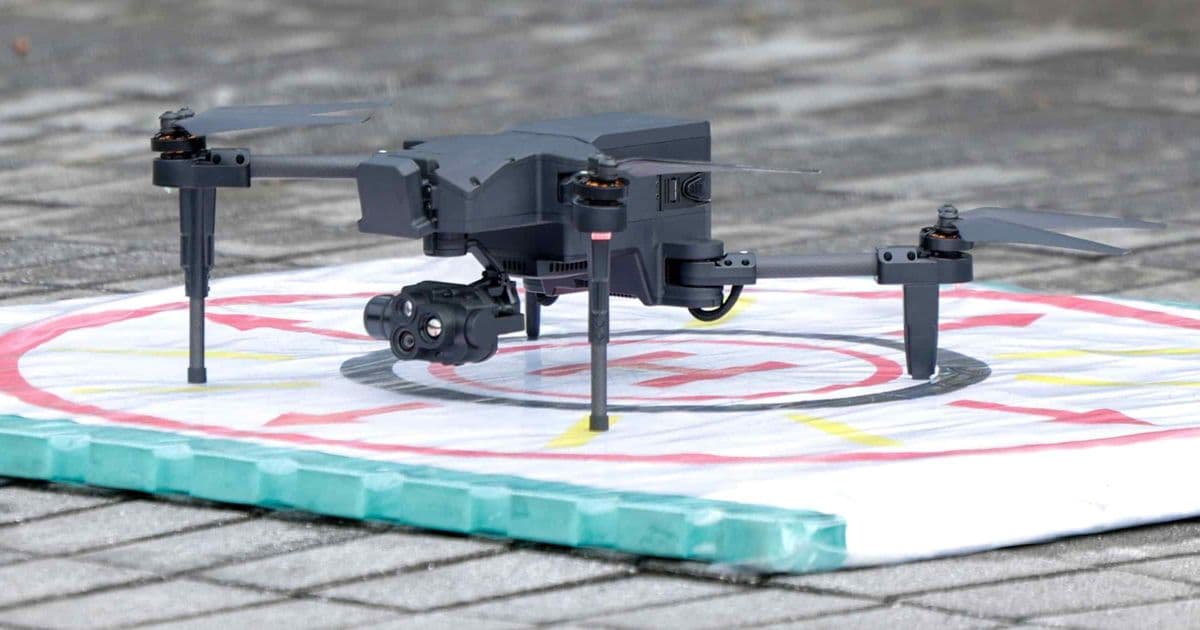
Technology Transfer: Taiwanese manufacturers, including those producing the Hummer 2 Drone showcased in December 2025, are sharing expertise in drone design and production with Japanese partners.
Investment Flows: Japanese investment in Taiwanese drone startups has increased by approximately 35% in 2026, according to Japan External Trade Organization (JETRO) data, with particular focus on companies developing autonomous navigation systems and specialized payload capabilities.
Challenges and Limitations
Despite promising beginnings, significant challenges remain:
Political Sensitivities: Japan's official relationship with Taiwan exists through non-governmental channels due to Japan's recognition of the One China policy. This complicates formal government-to-government cooperation, requiring industry-led initiatives to navigate diplomatic constraints.
Resource Constraints: Taiwan's drone industry, while growing rapidly, faces limitations in advanced materials production and high-precision manufacturing equipment. Japan, conversely, has limited experience in mass-producing cost-effective commercial drones.
Market Competition: Chinese manufacturers currently offer drones at approximately 30-40% lower prices than Japanese-Taiwanese alternatives, creating significant barriers to market penetration despite technological advantages.
Future Outlook and Strategic Implications
The Japan-Taiwan drone cooperation, if successfully developed, could:
- Create a $2.5-3 billion alternative drone manufacturing hub within five years, capturing 15-20% of the Asian market
- Reduce dependency on Chinese components by 40-50% within the next decade
- Establish new technical standards for specialized applications, including maritime surveillance, disaster response, and precision agriculture
This partnership represents more than just an industrial collaboration—it reflects a broader strategic realignment in East Asia's technology landscape. As both nations face increasing pressure from China's economic and technological influence, drone cooperation may serve as a model for other high-tech sectors seeking to build resilient, alternative supply chains.
The success of this initiative will depend on sustained investment, continued regulatory support from Japan, and the ability to overcome cost disadvantages through technological innovation and specialized market positioning. If these challenges can be addressed, the Japan-Taiwan drone partnership could emerge as a significant new force in the global unmanned systems industry.
Comments
Please log in or register to join the discussion