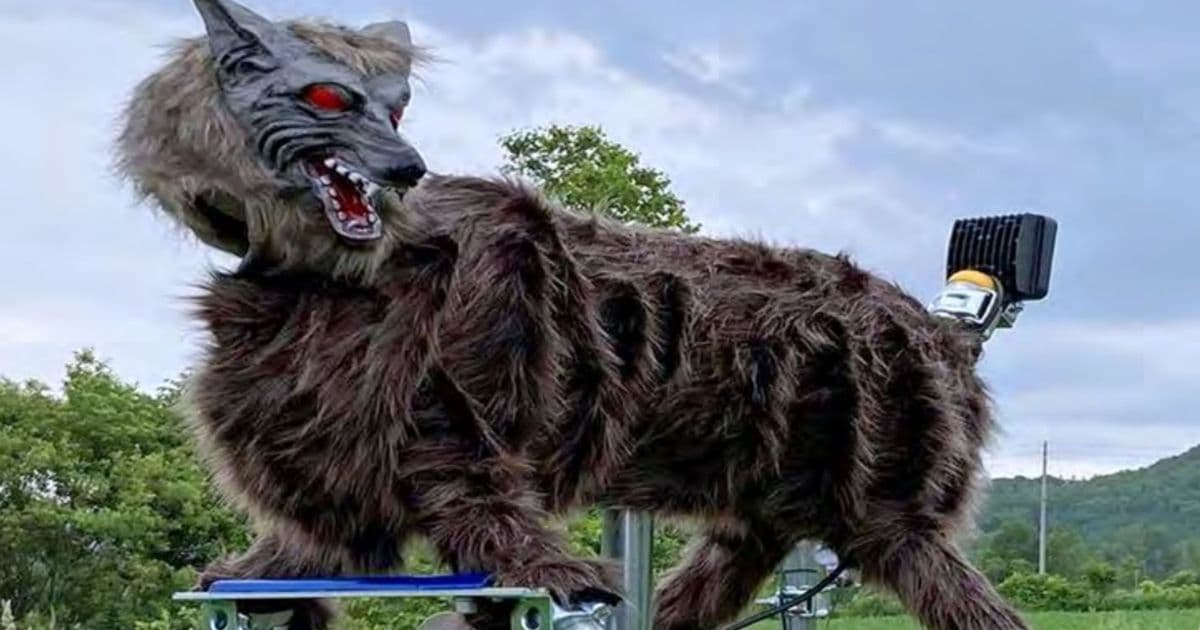
Japan faces record bear attacks with 13 human fatalities and 50,000 sightings this year, overwhelming Ohta Seiki's animatronic Monster Wolf production as the company struggles to meet unprecedented demand for its $4,000+ wildlife deterrent systems.
Japan is experiencing an unprecedented crisis in human-bear conflicts, with record numbers of attacks driving unprecedented demand for high-tech solutions. Ohta Seiki, the manufacturer of the animatronic Monster Wolf robot designed to repel bears from human-populated areas, reports they cannot produce the deterrent systems fast enough to meet current needs.
This year's order book for Monster Wolf has already reached 50 units, a volume that typically represents Ohta Seiki's entire annual production. The Hokkaido-based company has been forced to inform customers they must wait "two to three months" for fulfillment as they struggle to scale manufacturing capacity.
The surge in demand correlates directly with alarming statistics on bear-human encounters. Official figures indicate bears killed 13 people in Japan last year, more than doubling the fatality rate from the previous year. Bear sightings have similarly skyrocketed, with 50,000 reports nationwide—double the previous record. These numbers represent only documented incidents, with many additional unreported encounters likely occurring in rural areas.
The severity of the problem extends beyond fatalities. Bears have entered homes, roamed school grounds, frightened guests at hot spring resorts, and even rampaged through supermarkets across Japan. The economic and social disruption has created an urgent need for effective deterrent solutions.
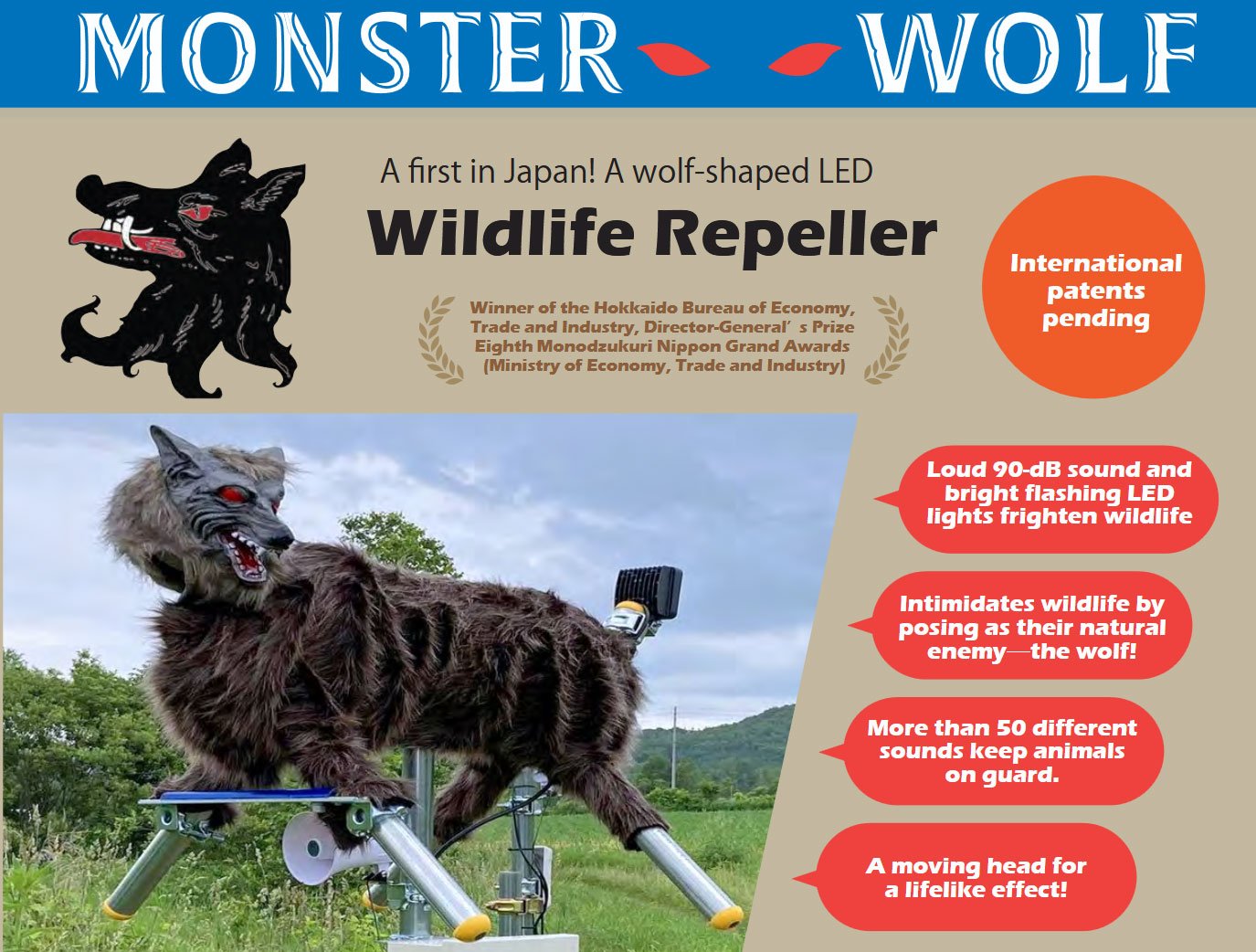
Ohta Seiki's Monster Wolf addresses this need through a combination of sensory intimidation technologies. The $4,000+ animatronic system imitates a wolf's appearance but amplifies the deterrent effect through "intense LED lights and loud voices." The robot features infrared sensors to detect approaching wildlife and responds with one of 50 different sound patterns while displaying glowing red eyes, blue under-lighting, and side-to-side neck movements.
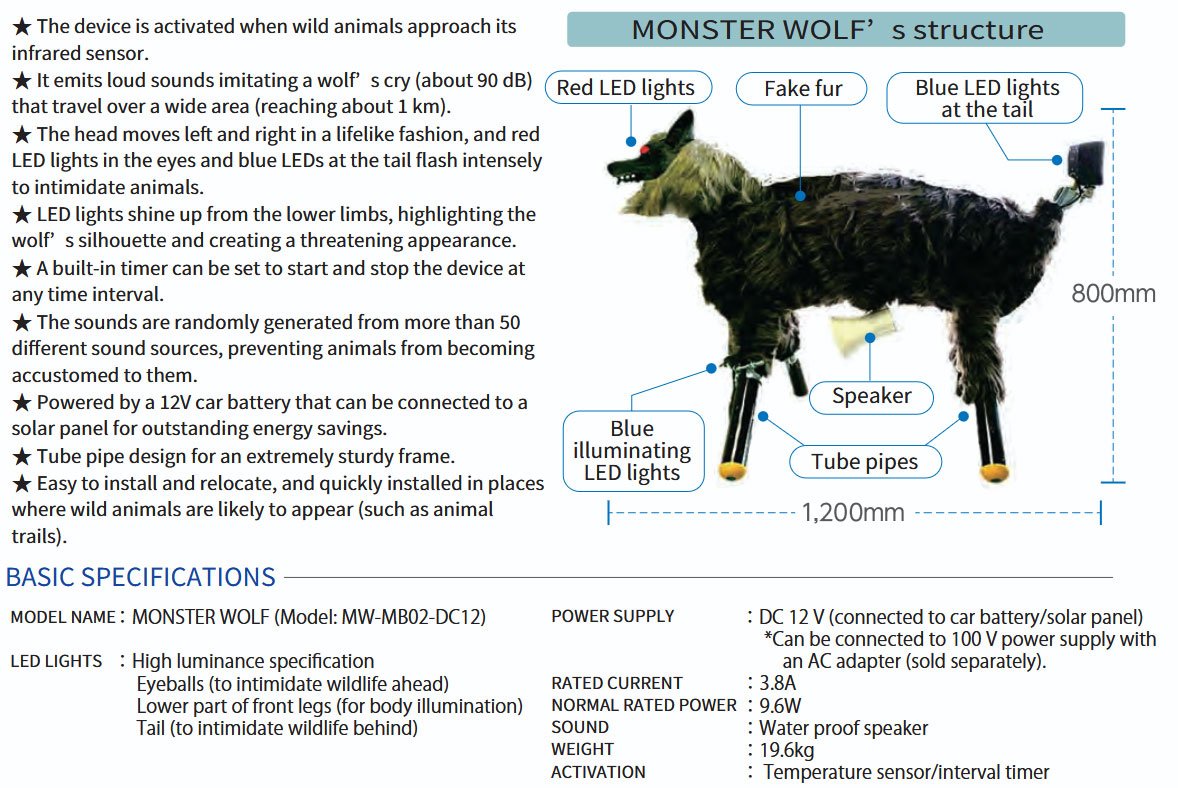
Powering these intimidating displays is a combination of a 12V car battery and optional solar charging panel. The system can be stationary or mobile with wheels as an optional upgrade, allowing deployment in various environments from rural communities to commercial properties.
The technical specifications reveal a carefully engineered approach to wildlife deterrence. The infrared detection system identifies animals at a distance, triggering the multi-sensory response before bears become comfortable in human-occupied spaces. The variety of sound patterns prevents habituation, while the combination of visual and auditory stimulation creates a more effective deterrent than either modality alone.
Market implications extend beyond current production constraints. Ohta Seiki has announced plans to expand its product range with a handheld version of Monster Wolf targeting hikers, anglers, and schoolchildren. The company is also exploring integration with AI camera systems to improve detection capabilities and potentially reduce false positives.
These developments reflect a broader trend of technological solutions being deployed to address wildlife conflicts exacerbated by climate change and habitat encroachment. The success of the Monster Wolf has prompted interest from other regions experiencing similar challenges, potentially creating new market opportunities for Ohta Seiki.

The situation in Japan highlights the complex relationship between human development and wildlife populations. As bears increasingly encounter human settlements in search of food, traditional deterrent methods have proven insufficient, creating demand for more sophisticated solutions that can operate continuously without human intervention.
Ohta Seiki's experience offers insights into the challenges of scaling specialized manufacturing for emerging environmental technologies. The company's struggle to meet demand suggests a need for investment in production capacity and potentially new manufacturing partnerships to address the growing market for wildlife management solutions.
As Japan continues to grapple with its bear crisis, the Monster Wolf represents both an immediate solution and a potential model for other regions facing similar challenges. The company's expansion plans and technological improvements may set new standards for wildlife deterrence systems worldwide.
Comments
Please log in or register to join the discussion