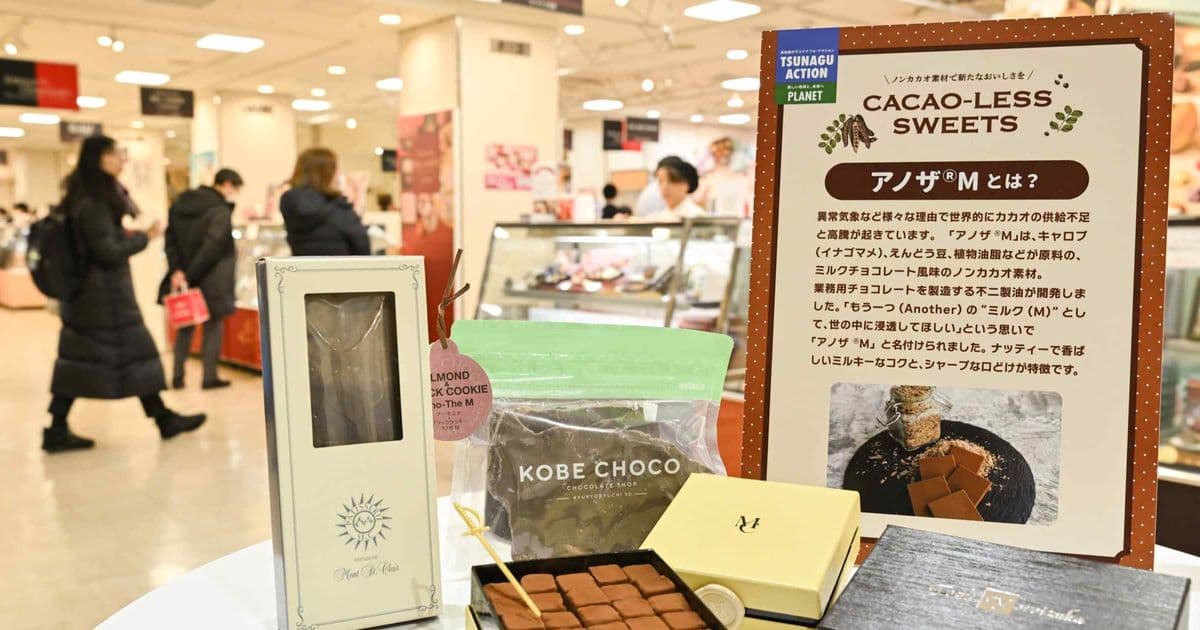
Facing cocoa prices nearly double pre-crisis levels, Japanese retailers and manufacturers are aggressively promoting plant-based alternatives for Valentine's Day gifting, with innovations like pea-carob blends gaining mainstream traction.
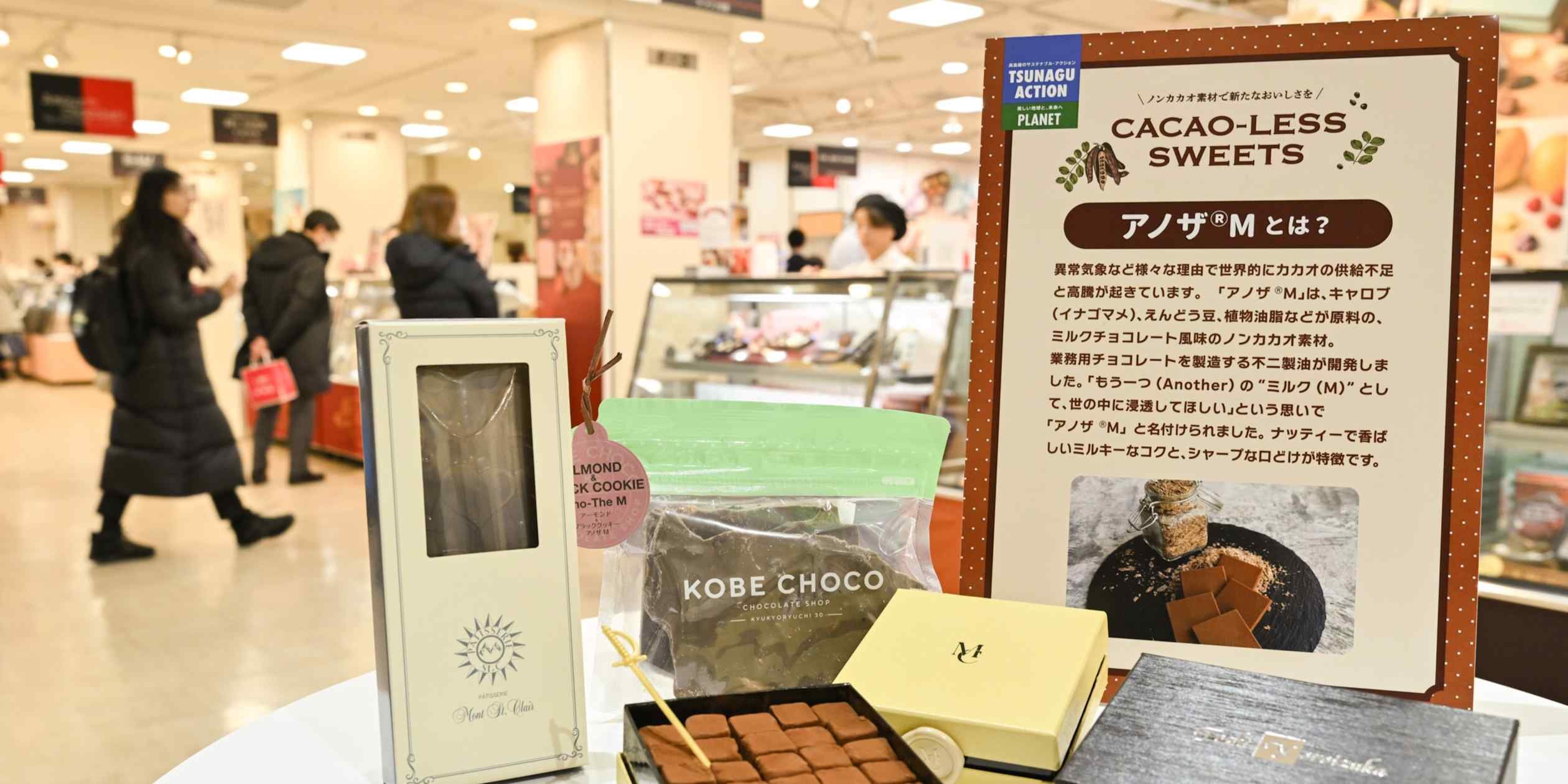
With Valentine's Day approaching, Japanese consumers are navigating record-high chocolate prices by embracing cocoa alternatives, accelerating a shift toward plant-based confections that could reshape the ¥300 billion ($1.9 billion) domestic chocolate market. Prices for cocoa beans remain nearly double 2022 levels despite retreating from 2024's historic peak of four times normal values, forcing retailers like Takashimaya to hike Valentine's assortments by 10% year-on-year.
At Tokyo's Takashimaya department store, Amour du Chocolat's dedicated Valentine's display prominently featured limited-edition confections using Anoza M—a proprietary blend developed over a decade by Fuji Oil Holdings. This cocoa substitute combines finely milled pea and carob powders with milk powder and sugar, replicating milk chocolate's sensory profile.
"Cocoa supply instability created chronic demand-supply imbalance," explains Akiyuki Ishiwatari of Fuji Oil's chocolate development division. "We prioritized alternatives to ensure chocolate enjoyment continuity." The company accelerated development during the 2024 price shock, with Ishiwatari noting they've "achieved a formulation meeting our stringent standards."
High-end chocolatiers are adopting the innovation. Maison Chaudun leverages Anoza M's distinct aroma and mouthfeel characteristics, engineering melt-in-the-mouth textures through precise moisture and fat balancing. Their alternative chocolates retail at ¥2,160—17% below cocoa-based counterparts (¥2,592), providing tangible consumer relief.
The pivot extends beyond premium gifting. Retail giant Aeon's affordable Choco ka? bars—using sunflower-seed derivatives from German manufacturer VIVANI—sell for ¥321 per 80g unit. Strong social media buzz drove unexpected shortages, with Aeon development managers confirming plans for flavor expansion. Meanwhile, Hiroshima-based Ajikan commercialized Govoche in 2023, creating chocolate-like products from roasted burdock root originally developed for tea.
Market data underscores structural change. Fuji Keizai Group projects Japan's alternative-ingredient market (spanning cocoa, coffee, and palm oil substitutes) will explode from ¥300 million in 2024 to ¥2.9 billion by 2030—nearly tenfold growth. Though consumer resistance persists, NLI Research Institute senior analyst Naoko Kuga observes: "Environmental awareness is gradually lowering barriers. As price and sustainability pressures mount, alternatives gain mainstream legitimacy."
This Valentine's season crystallizes a broader transformation: once-niche food technologies are becoming viable commercial solutions amid commodity volatility, with Japanese innovation leading the shift toward resilient ingredient ecosystems.
Comments
Please log in or register to join the discussion