Nearly 70% of Japan's major construction firms report turning down large-scale projects due to unprecedented labor shortages, signaling severe constraints on infrastructure development and economic growth.
Poll Reveals Industry Under Siege
A recent industry survey shows 70% of large and midsize Japanese construction companies will refuse new major projects in fiscal 2026. This unprecedented rejection rate stems from critical staffing shortages that prevent firms from meeting project timelines, with many contractors reporting vacancy rates exceeding 30% for skilled tradespeople.
Projects Frozen in Mid-Construction
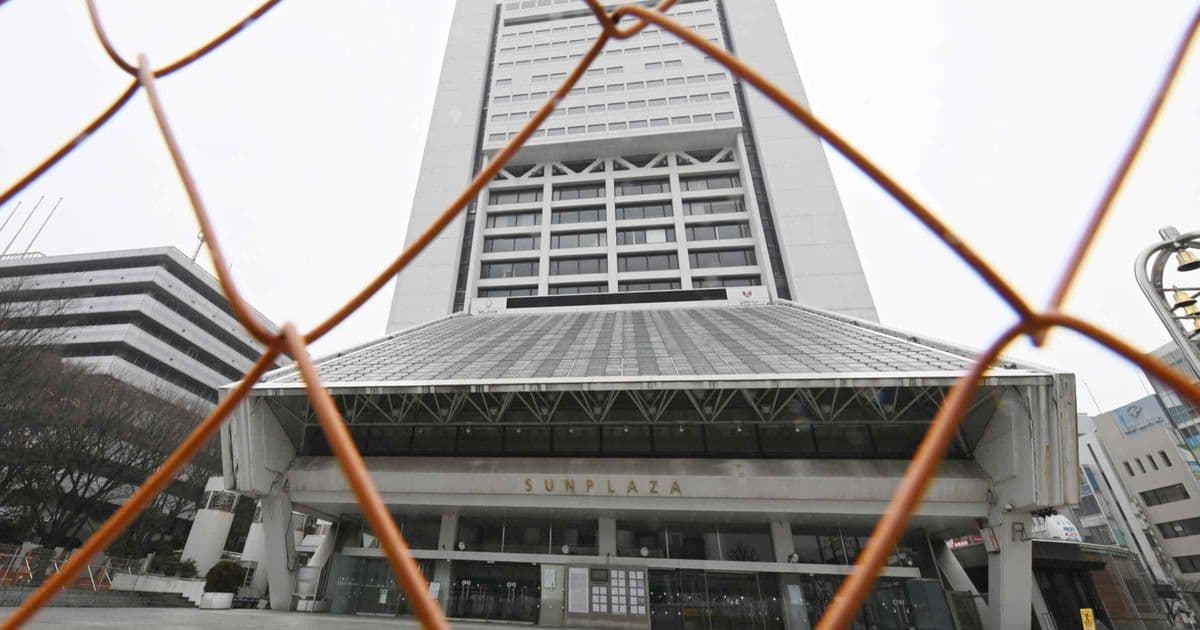
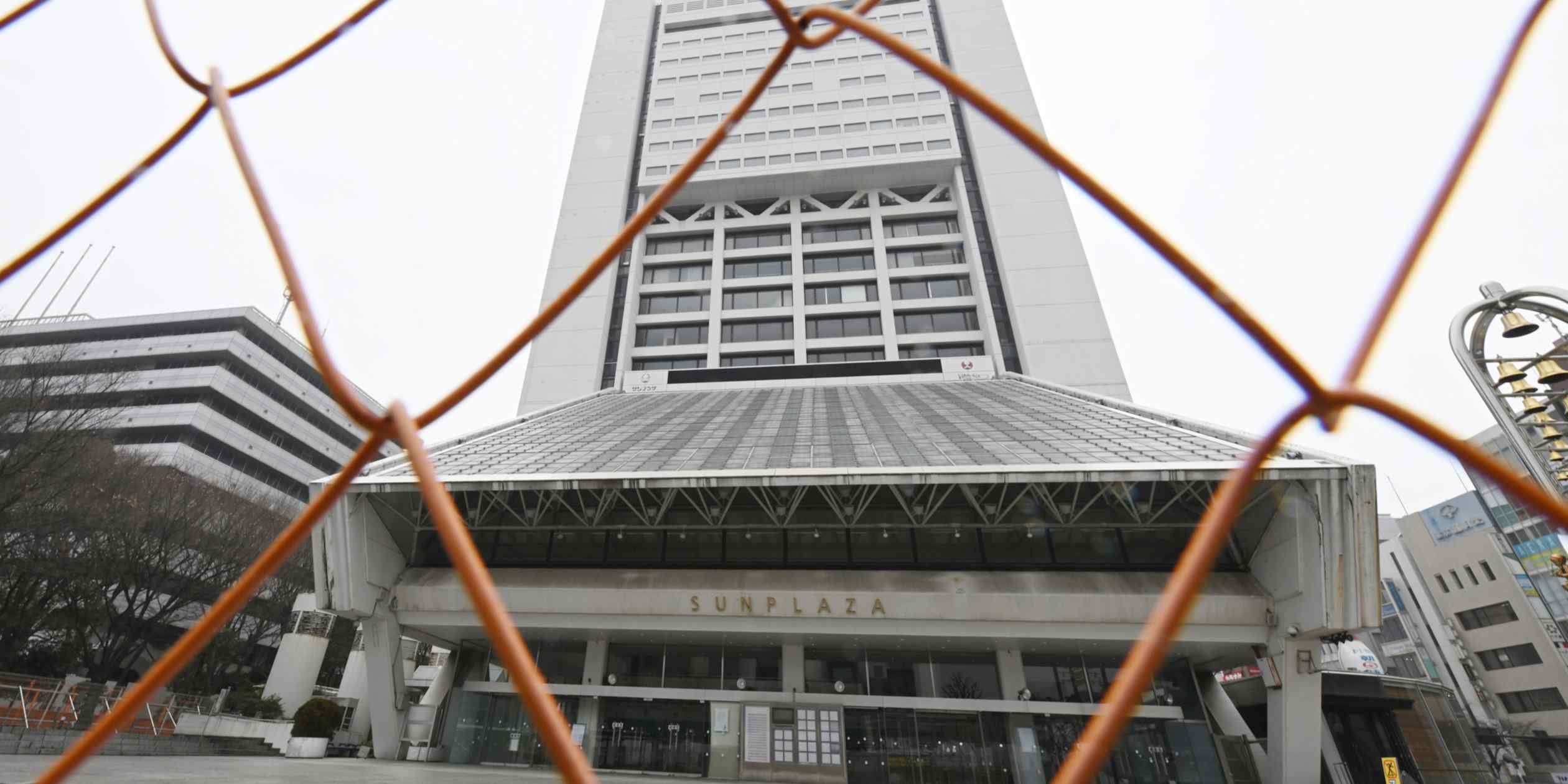
The labor deficit has already derailed landmark developments like Tokyo's Nakano Sunplaza redevelopment, pictured above. Similar fates loom over other high-profile initiatives including Shibuya's transformation, where developers admit completion is "not even halfway" despite original deadlines. Analysis of public works data shows average project delays have stretched from 3.5 months in 2020 to over 8 months today.
Economic Domino Effect
The project rejections threaten Japan's GDP growth on multiple fronts:
- Private investment: Corporate construction budgets went unspent despite available capital
- Public infrastructure: Delays plague national projects like the $26bn maglev train
- Housing supply: Major builders struggle to meet housing targets domestically and abroad
Demographic Roots of the Crisis
Japan's working-age population has shrunk by 13% since 2000 while construction demand increased 22% during the same period. The sector faces triple pressure:
- Aging workforce: 34% of skilled tradespeople are over 55
- Succession gap: Youth entry into trades dropped 40% in a decade
- Immigration limits: Post-pandemic labor pipelines remain restricted
Technological Stopgaps
Firms are accelerating automation adoption as temporary relief:
- Komatsu's AI-guided machinery now handles 30% more earthwork with fewer operators
- Prefabrication rates jumped to 45% of projects versus 28% pre-crisis
- Drone-based site monitoring reduces manual labor needs by up to 20%
Policy Imperatives
The Federation of Construction Contractors warns current measures remain insufficient. With public works backlogs growing 17% annually, industry leaders urge:
- Expanded vocational training subsidies
- Streamlined foreign worker certifications
- AI translation systems to combat manga piracy and free up technical talent
This crisis now directly constrains Japan's economic revival, with construction representing 5.4% of GDP. Without structural solutions, the infrastructure pipeline faces continued erosion just as Japan prepares for major redevelopment projects ahead of the 2030 Osaka Expo.
Comments
Please log in or register to join the discussion