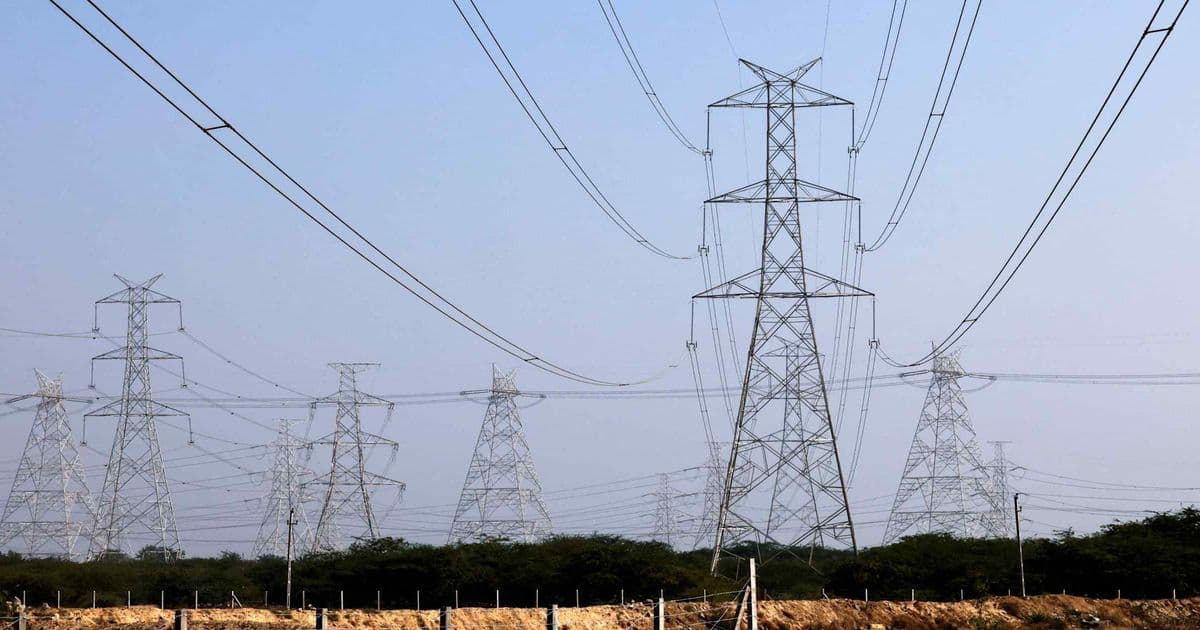
Mitsubishi UFJ Financial Group and its peers have become the leading financiers of worldwide infrastructure projects, pushing total funding from $1.2 trillion in 2021 to $2.4 trillion in 2026. The surge reflects supply‑chain diversification, geopolitical risk mitigation and a shift toward green assets.
Japanese banks at the forefront of a $2.4 trillion infrastructure financing boom
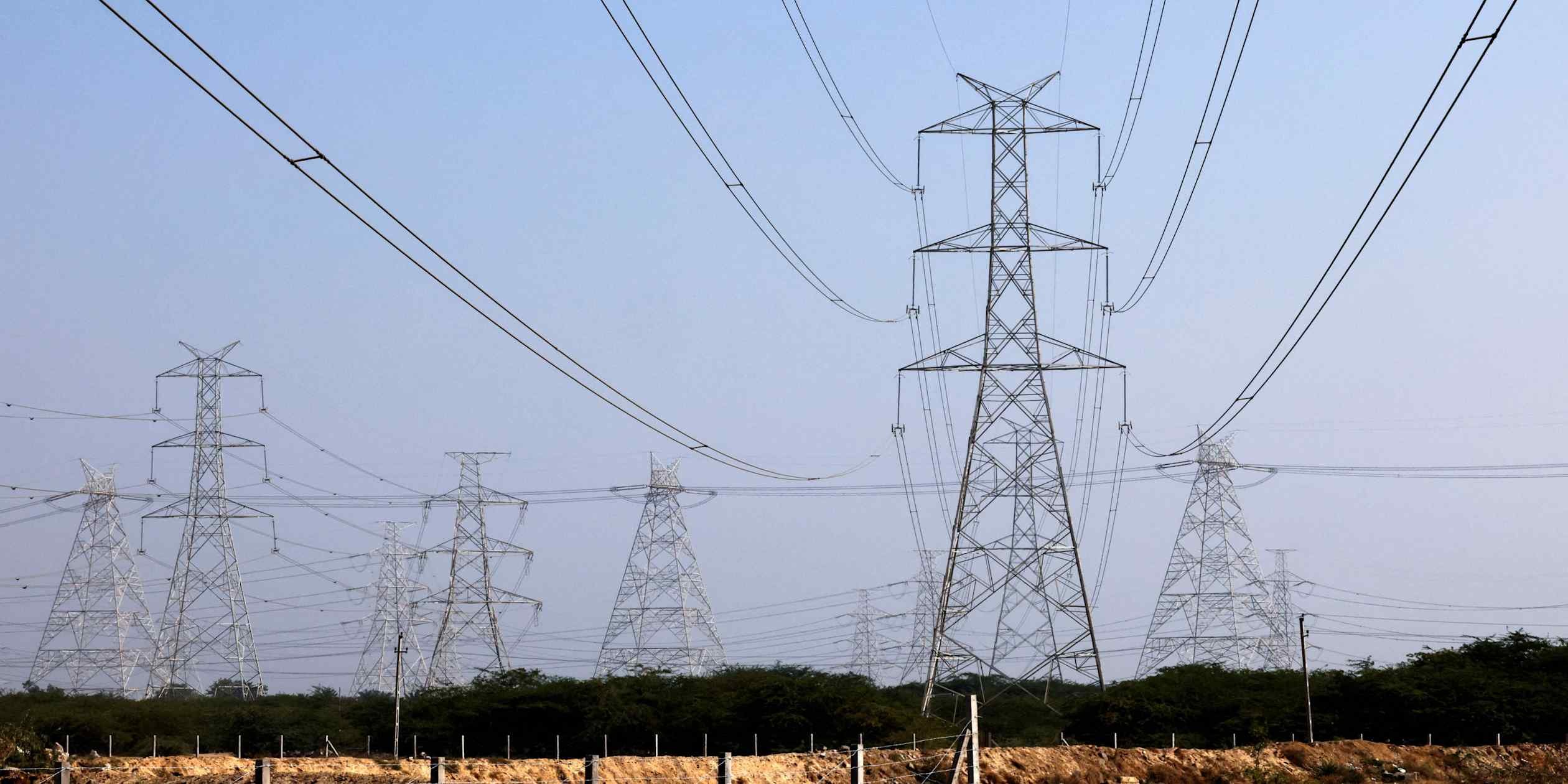
Mitsubishi UFJ Financial Group (MUFG) topped the rankings for project‑finance volume for the second year running, according to a new Nikkei analysis. Over the past five years, global infrastructure financing has risen from roughly $1.2 trillion in 2021 to $2.4 trillion in 2026, a 100 % increase. Japanese lenders accounted for about 22 % of the total in 2026, up from 13 % in 2021.
Market context
- Geopolitical drivers – Companies in Europe and North America are relocating production lines to Southeast Asia and Latin America to reduce exposure to trade tensions. The financing needed for new ports, rail links and power grids has risen sharply.
- Energy transition – Renewable‑energy projects, especially offshore wind and green‑hydrogen hubs, now represent 38 % of new commitments, up from 24 % five years ago. Japanese banks have been early adopters of green‑bond underwriting, which helped them capture a larger share of this market.
- Policy support – The G20’s 2023 infrastructure pledge and the Asian Development Bank’s $150 billion “Asia‑Pacific Infrastructure Fund” have created a pipeline of public‑private partnerships that Japanese banks have tapped.
What it means for the industry
- Competitive pressure on Western lenders – U.S. banks, which held a 31 % share in 2021, fell to 27 % in 2026. Their market share loss is tied to tighter capital rules and slower adoption of green‑finance standards.
- Shift in risk appetite – Japanese institutions are increasingly pricing projects on future cash‑flow potential rather than relying on traditional collateral such as real‑estate assets. This approach is evident in MUFG’s recent $1.1 billion loan to a consortium building a high‑voltage transmission line in Indonesia, structured around projected renewable‑energy revenues.
- Implications for borrowers – Corporations seeking to diversify supply chains now have a broader set of financing options, but they must meet stricter environmental, social and governance (ESG) criteria to secure Japanese capital.
- Potential for further consolidation – With Japanese banks gaining scale, we may see more joint‑venture financing platforms that bundle multiple projects across regions, similar to the Asia Infrastructure Investment Bank model.
Strategic outlook
- Continued growth: If the current trajectory holds, total global infrastructure financing could exceed $3 trillion by 2029, with Japanese banks maintaining a 20‑25 % share.
- Regulatory focus: The Bank of Japan is expected to release new guidance on climate‑aligned lending later this year, which could tighten underwriting standards but also create premium pricing opportunities.
- Technology integration: Digital‑platform lenders are partnering with Japanese banks to automate due‑diligence, suggesting a future where AI‑driven risk models become commonplace in project finance.
Bottom line: Japanese banks have turned a strategic emphasis on supply‑chain resilience and green investment into a decisive market advantage, reshaping the global infrastructure financing map and setting new benchmarks for risk assessment and ESG compliance.
Comments
Please log in or register to join the discussion