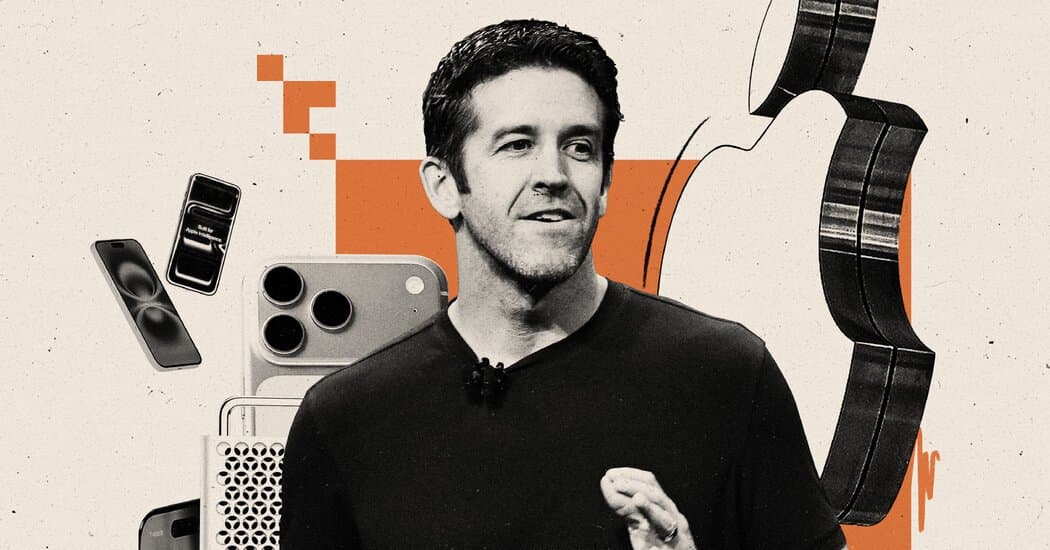
A New York Times profile reveals John Ternus, Apple's head of hardware engineering, as the leading candidate to replace Tim Cook, who is reportedly looking to reduce his workload. The article explores Ternus's background, leadership style, and the challenges he would face leading Apple into its next chapter.
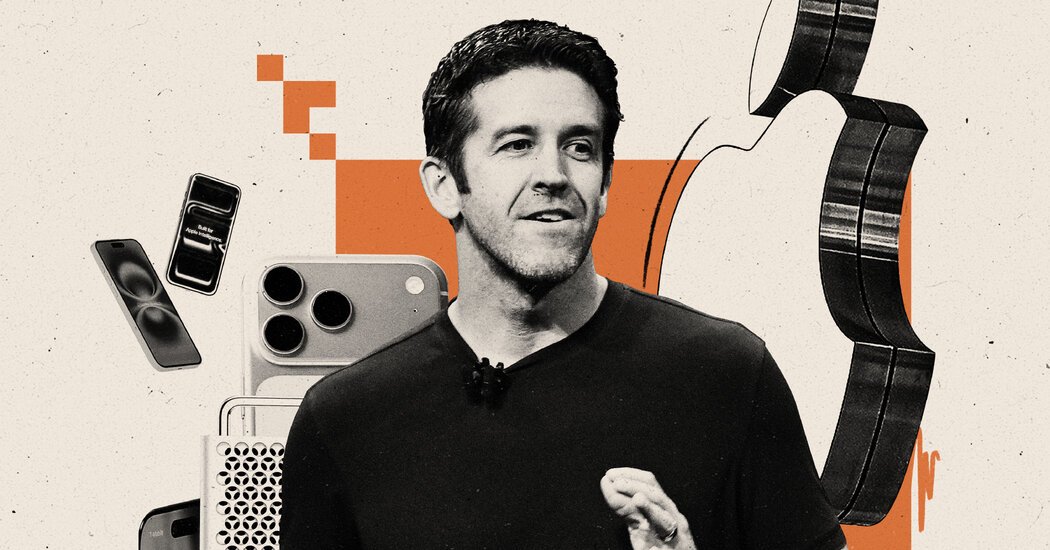
Featured image: John Ternus, Apple's Senior Vice President of Hardware Engineering. Source: New York Times
Apple's succession planning has long been a subject of intense speculation, but a recent New York Times profile of John Ternus suggests the company's leadership transition may be closer than many assumed. According to sources familiar with the matter, Ternus has emerged as the front-runner to eventually succeed Tim Cook as CEO, with Cook himself reportedly interested in reducing his workload in the coming years.
Who is John Ternus?
Ternus joined Apple in 2001 as a product design engineer and has been instrumental in developing some of the company's most important products. He was promoted to Senior Vice President of Hardware Engineering in 2021, overseeing the engineering of essentially every hardware product in Apple's lineup, including iPhone, iPad, Mac, and AirPods.
His rise through the ranks has been steady and deliberate. Colleagues describe him as a detail-oriented leader with deep technical expertise who maintains strong relationships across Apple's design and engineering teams. Unlike Cook, who came from an operations background, Ternus represents Apple's engineering-first roots.
The Succession Context
Tim Cook has led Apple since 2011, overseeing its transformation into a $3 trillion company and navigating the shift from a product-focused company to one increasingly reliant on services revenue. At 63 years old, Cook has given no public indication of when he might step down, but the Times reports that internally, discussions about succession have become more concrete.
The article notes that Cook wants to "reduce his workload" while remaining involved with the company. This suggests a potential transition period rather than an abrupt departure, possibly following a model similar to Microsoft's transition from Steve Ballmer to Satya Nadella.
Why Ternus Makes Sense
Several factors make Ternus a logical successor:
Technical Credibility: In an era where Apple is increasingly competing on hardware-software integration and custom silicon, having an engineer at the helm provides technical leadership that matches the company's core strengths. Ternus's background in product design gives him credibility across Apple's key divisions.
Institutional Knowledge: With over two decades at Apple, Ternus understands the company's culture, processes, and the delicate balance between innovation and iteration that defines Apple's product strategy.
Proven Leadership: As head of hardware engineering, he has successfully managed large teams through complex product cycles, including the transition to Apple Silicon and the development of new product categories like the Vision Pro.
The Challenges Ahead
However, Ternus would face significant challenges if he becomes CEO:
Services Transition: Apple's growth increasingly depends on services revenue (App Store, Apple Music, iCloud, Apple TV+). Ternus's hardware background may not prepare him for the complex regulatory, business development, and content creation challenges that come with services.
Regulatory Pressure: Apple faces mounting antitrust scrutiny globally, from the EU's Digital Markets Act to US investigations into the App Store. The next CEO will need to navigate an increasingly hostile regulatory environment while maintaining Apple's business model.
Innovation Pressure: Critics argue Apple has become too iterative under Cook. Ternus would need to prove he can lead the company toward the "next big thing" beyond the iPhone—whether that's AI, augmented reality, or something entirely unexpected.
China Dependencies: Apple's manufacturing and sales in China present ongoing geopolitical and supply chain risks that require sophisticated diplomatic and operational skills.
What This Means for Apple
The Times profile suggests Apple is actively preparing for a future without Cook, which could bring both stability and risk:
Stability: An internal promotion would maintain continuity in Apple's culture and strategy, avoiding the disruption that often accompanies external CEO hires.
Risk: Ternus represents more of the same approach that has defined Apple for decades. Some analysts argue Apple needs fresh thinking to address emerging challenges, particularly around AI and services.
Timeline Uncertainty: The report doesn't specify when this transition might occur. Cook could remain CEO for several more years, giving Ternus time to develop additional skills in areas like services and regulatory affairs.
The Bigger Picture
Apple's succession planning reflects broader trends in tech leadership. As companies mature, boards increasingly favor internal candidates who understand the company's DNA over charismatic outsiders. This approach worked well for Microsoft (Nadella) and Google (Pichai), though it failed at companies like Yahoo.
The choice of Ternus would signal that Apple views hardware innovation and vertical integration as its enduring competitive advantages, even as rivals like Google and Microsoft race ahead in AI. It would also suggest the company believes its current strategy needs refinement rather than revolution.
For investors and observers, the key question isn't just whether Ternus will become CEO, but what Apple will look like when he does. Will the company maintain its premium hardware focus, or will it need to pivot more aggressively toward AI and services to sustain growth? The answer will likely determine whether Ternus's potential tenure is viewed as a successful continuation or a missed opportunity to reinvent the company.
As one former Apple executive told the Times, the transition "will be a test of whether Apple's culture can outlast its charismatic founder and his handpicked successor." For Ternus, the challenge will be proving that deep technical knowledge and institutional memory are enough to lead one of the world's most valuable companies into an uncertain future.
This article is based on reporting from The New York Times. For the original story, visit nytimes.com.
Comments
Please log in or register to join the discussion