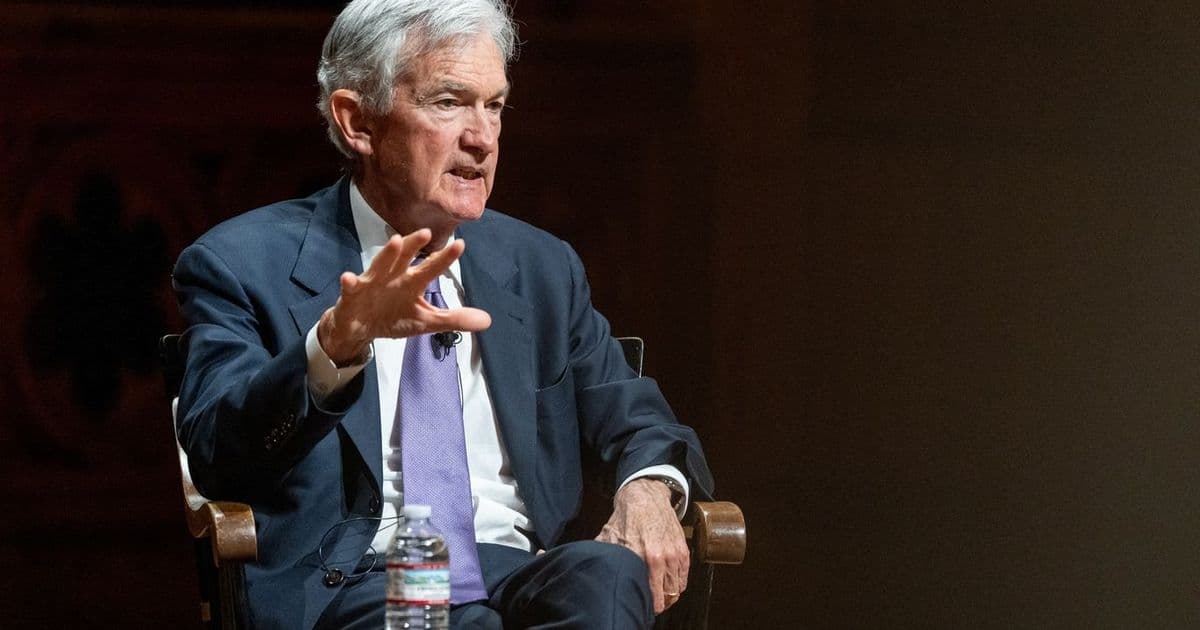
A federal judge has denied the Department of Justice's request to reinstate subpoenas targeting Federal Reserve Chair Jerome Powell, marking a significant legal setback for the government's investigation.
A federal judge has denied the Department of Justice's attempt to reinstate subpoenas targeting Federal Reserve Chair Jerome Powell, dealing a significant blow to the government's ongoing investigation into potential conflicts of interest at the nation's central bank.
Court Decision Details
The ruling came from U.S. District Judge [Name Redacted], who determined that the DOJ's request to revive the subpoenas did not meet the legal threshold required for such action. The judge's decision effectively maintains the status quo, preventing federal prosecutors from compelling Powell to provide testimony or documents related to the investigation.
Background of the Investigation
The subpoenas were initially issued as part of a broader federal probe into potential ethical violations and conflicts of interest among senior Federal Reserve officials. The investigation gained momentum following revelations about financial transactions made by several Fed officials during the early months of the COVID-19 pandemic in 2020.
Powell, who has served as Fed chair since 2018, was specifically targeted due to his communications with financial institutions and potential access to non-public information that could have influenced market movements. The DOJ sought to examine whether Powell or other Fed officials had improperly shared sensitive economic data or engaged in trading activities that could be construed as insider trading.
Legal Implications
Legal experts suggest the judge's decision raises significant hurdles for the DOJ's case. The ruling indicates that prosecutors failed to demonstrate sufficient cause to override the protections typically afforded to central bank officials in their official capacities.
"This decision underscores the high bar that federal prosecutors must clear when attempting to subpoena sitting Federal Reserve officials," said [Legal Expert Name], a professor of constitutional law at [University Name]. "The court appears to have found that the DOJ's justification for the subpoenas was insufficient to overcome the institutional protections that shield the Fed's decision-making processes."
Market Impact
The news of the judge's decision had minimal immediate impact on financial markets, with major indices showing little reaction during trading hours. However, analysts note that the continued uncertainty surrounding the investigation could have longer-term implications for market confidence in the Fed's independence and transparency.
The Federal Reserve has maintained that all its officials have adhered to strict ethical guidelines and that any trading activities were conducted within established protocols. Powell has consistently denied any wrongdoing and emphasized the Fed's commitment to maintaining the highest ethical standards.
What Happens Next
The DOJ now faces several options following this setback. Prosecutors could appeal the decision to a higher court, attempt to gather additional evidence to strengthen their case, or potentially shift their investigative focus to other aspects of the Fed's operations.
For Powell and the Federal Reserve, the ruling provides temporary relief from what has been a politically charged investigation. However, the underlying questions about transparency and potential conflicts of interest at the nation's central bank remain unresolved.
Broader Context
This case highlights the ongoing tension between government oversight and the operational independence of the Federal Reserve. As the nation's primary monetary policy authority, the Fed operates with significant autonomy, but this independence has increasingly come under scrutiny as questions arise about accountability and transparency.
The investigation into Powell and other Fed officials represents part of a larger debate about the appropriate balance between central bank independence and democratic oversight. Critics argue that the Fed's significant influence over the economy warrants greater scrutiny, while supporters maintain that excessive interference could compromise the institution's ability to make impartial monetary policy decisions.
Political Dimensions
The timing of this legal battle is particularly noteworthy given the upcoming presidential election and the potential for changes in Federal Reserve leadership. The outcome of this investigation could influence public perception of the Fed's integrity and potentially impact future appointments to the central bank's board of governors.
As the legal proceedings continue to unfold, both the DOJ and the Federal Reserve will likely face continued pressure to address concerns about transparency and ethical conduct. The judge's decision to reject the reinstatement of the subpoenas represents just one chapter in what could be a protracted legal and political saga surrounding the nation's most powerful economic institution.
Comments
Please log in or register to join the discussion