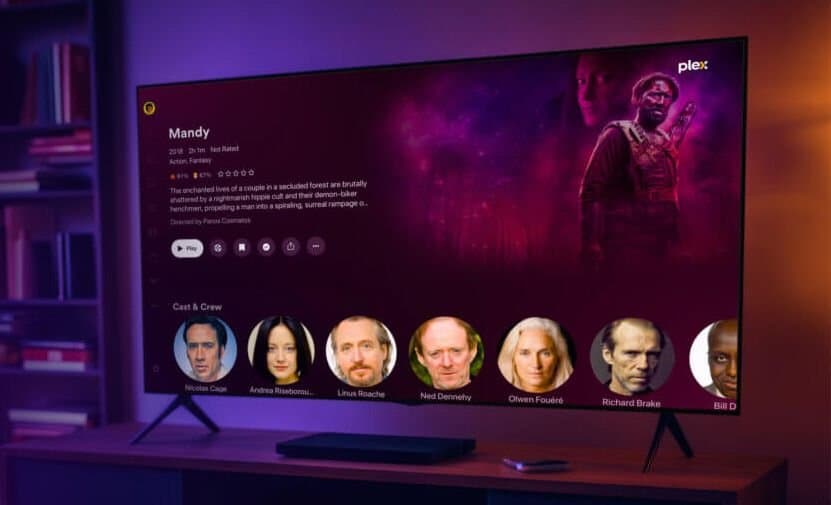
Plex is raising its Lifetime subscription from $250 to $750 as of July 1. The move reflects the growing cost of maintaining a hybrid cloud‑plus‑self‑hosted service and pushes users toward monthly plans or open‑source alternatives like Jellyfin.
Plex Pass Lifetime price jump: What it means for self‑hosted media fans
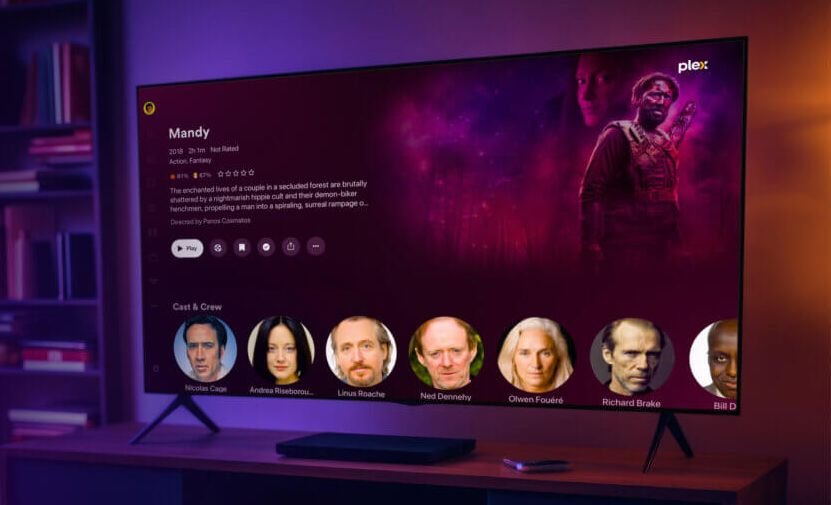
When Plex first appeared, it was essentially a free fork of XBMC (now Kodi) that let you turn a PC into a full‑screen media player or stream files across a local network. Over the years the product has morphed into a multi‑layered platform: a free tier for basic playback, an ad‑supported streaming catalogue, and a paid Plex Pass that unlocks cloud sync, mobile downloads, multi‑user access, and a handful of quality‑of‑life features such as intro skipping.
The announced price change
In a blog post dated June 28, Plex disclosed that its Lifetime Plex Pass will increase to $750 effective July 1. The price was $250 earlier this year and $75 when the author bought it in 2017. The company frames the hike as “reflecting the real, ongoing value of the software we’re committed to building and maintaining for years to come.”
Why a one‑time fee is hard to sustain
Traditional desktop software could charge a perpetual license because the code lived entirely on the user’s machine. Plex, however, mixes client‑side features (skip intros, offline download) with server‑side services (metadata fetching, remote access, transcoding assistance). Even when the server runs on your own hardware, Plex still operates cloud‑based APIs, maintains a global CDN for artwork, and provides a paid backend for mobile sync. Those recurring costs make a pure one‑time payment model risky.
Impact on developers and power users
Android & iOS SDK considerations
If you embed Plex playback in a custom Android or iOS app, the SDK version you target must match the minimum supported by the Plex Pass you own. The new pricing does not change the SDK itself, but the Plex Pass entitlement is now tied to a higher‑priced license. Developers who rely on the Plex Media Server SDK (available via the official documentation) should verify that their app’s minSdkVersion (Android) or deployment target (iOS) aligns with the latest server releases, which continue to require at least Android 8.0 (API 26) and iOS 13.
Migration path for existing Lifetime holders
Current Lifetime owners keep their entitlement indefinitely; Plex has not announced a revocation clause. New users, however, face a decision:
- Stay on the free tier – you lose DVR‑related features, mobile sync, and multi‑user support.
- Subscribe monthly – $7 / month or $70 / year, which is cheaper than the new Lifetime price for most users.
- Switch to an open‑source alternative – Jellyfin, Emby (self‑hosted mode), or even a Kodi‑based setup can provide similar playback without a subscription.
For developers maintaining apps that integrate Plex, the practical recommendation is to detect the user’s subscription status via the Plex API and gracefully degrade features if only a free account is present. This avoids hard crashes when a user’s Lifetime plan expires (unlikely) or when the API changes.
Alternatives worth a look
- Jellyfin – 100 % free, community‑driven, and compatible with most Plex clients via DLNA or direct streaming. It runs on Android 5.0+ and iOS 12+.
- Emby Server (Self‑hosted) – Offers a similar tiered model but keeps the Lifetime option at a lower price point.
- Kodi – Still a solid choice for pure local playback without any cloud dependencies.
Each alternative has its own SDKs and plugin ecosystems, so if you’re building a cross‑platform media app, consider abstracting the playback layer to support multiple backends. That way a price hike on one service does not force a rewrite.
What to do next
- Check your current Plex Pass status in the Plex web app under Settings → Account → Subscriptions.
- Update your Android
build.gradleto target at leastcompileSdkVersion 34andminSdkVersion 26if you use the Plex SDK. - Test iOS builds with Xcode 15, ensuring the deployment target is iOS 13 or later.
- Evaluate open‑source servers if the new Lifetime price exceeds your budget or if you prefer a fully self‑hosted stack.
The price jump underscores a broader trend: services that blend on‑device functionality with cloud‑backed features are moving toward subscription models that fund continuous development and infrastructure. Whether you stick with Plex, switch to Jellyfin, or build a custom solution, the key is to keep your app’s media layer modular so you can adapt without a full rewrite.
Follow Liliputing on Bluesky, Mastodon, Threads, or Facebook for more updates on media servers, compact computers, and cross‑platform development.
Comments
Please log in or register to join the discussion