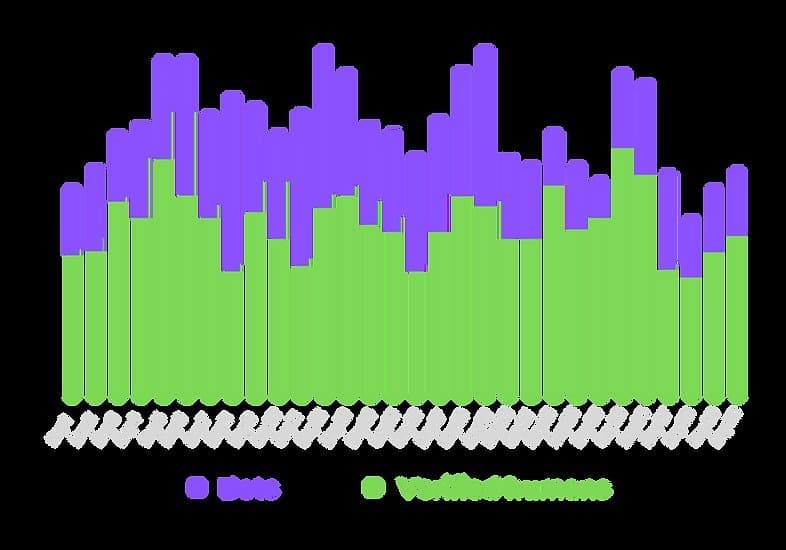
KAZIMI emerges from stealth with a platform leveraging advanced cryptography to provide mobile app developers with unprecedented accuracy in verifying human users and identifying malicious bots. By securing first-party data collection, the solution aims to optimize LiveOps, user acquisition, and monetization while cutting costs associated with fraudulent traffic.
The relentless challenge of distinguishing genuine users from sophisticated bots plagues mobile app developers, distorting analytics, draining marketing budgets, and undermining monetization. KAZIMI, a new player founded by mobile ecosystem veterans, is stepping into this fray with a platform promising a fundamental shift: enabling apps to collect and verify their own first-party user data with high accuracy using advanced cryptographic techniques.
Securing the Signal from the Noise
KAZIMI’s core proposition hinges on solving the critical data trust problem. Malicious bots inflate user numbers, skew engagement metrics, drain server resources with fake requests, and can even manipulate in-app economies. Traditional detection methods often struggle with evolving tactics. KAZIMI tackles this by establishing secure communication protocols between the app and its backend. This cryptographic foundation aims to provide "unprecedented accuracy" in verifying that interactions originate from legitimate human users, not automated scripts or emulated devices.
"The most reliable data to power your app is your own," KAZIMI states, emphasizing the move away from reliance on potentially compromised third-party signals or easily spoofed device identifiers.
Beyond Detection: Actionable Intelligence and Cost Savings
The platform isn't just a bot filter. By verifying users at the source, KAZIMI claims developers gain:
- Accurate Foundation: Reliable first-party data for analytics, user segmentation, and personalization.
- Actionable Intelligence: The ability to develop "superior insights" based on verified user behavior, informing LiveOps strategies, user acquisition targeting, and monetization models.
- Operational Efficiency: Significant cost reduction by eliminating server load and infrastructure spend wasted on processing malicious bot traffic. "Cut unnecessary costs serving malicious bot requests. Enhance operations & maximize profitability," the company highlights.
The Technology: Cryptography as the Cornerstone
While specific cryptographic algorithms aren't detailed in the public launch material, KAZIMI stresses "advanced cryptography & secure communication protocols" as the technological bedrock. This approach suggests a focus on techniques that ensure data integrity and origin authentication between the app client and the KAZIMI verification service (and subsequently the app's own backend). The goal is minimal overhead ("minimal cost") while maximizing verification confidence.
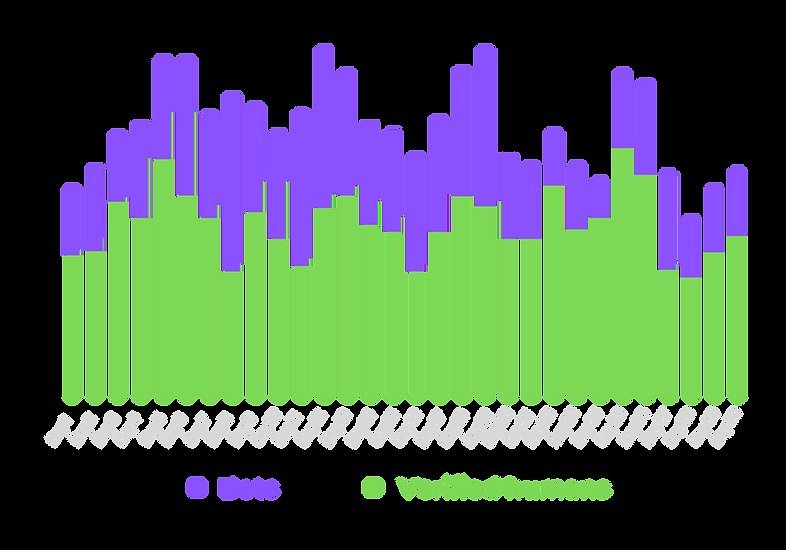 KAZIMI Dashboard: Designed to help developers pinpoint attack vectors and understand traffic quality. (Source: KAZIMI)
The Strategic Imperative: Owning and Securing First-Party Data
KAZIMI positions itself as more than just a security tool; it's framed as a strategic asset for app businesses. In an ecosystem increasingly wary of data privacy regulations and the deprecation of traditional tracking methods (like IDFA), the ability to securely gather and leverage verified first-party data becomes paramount. KAZIMI’s vision is to "future-proof your app’s business with better data," allowing developers to "secure your data, maximize your returns" by creating a "new benchmark of data quality."
The launch signals a growing recognition that combating sophisticated fraud requires moving beyond reactive detection and building verification directly into the data collection pipeline. For mobile developers battling bot-driven inefficiency and unreliable metrics, solutions like KAZIMI represent a potential path toward cleaner data, sharper insights, and healthier margins. The effectiveness of their cryptographic approach in real-world, adversarial conditions will be the ultimate test.
Comments
Please log in or register to join the discussion