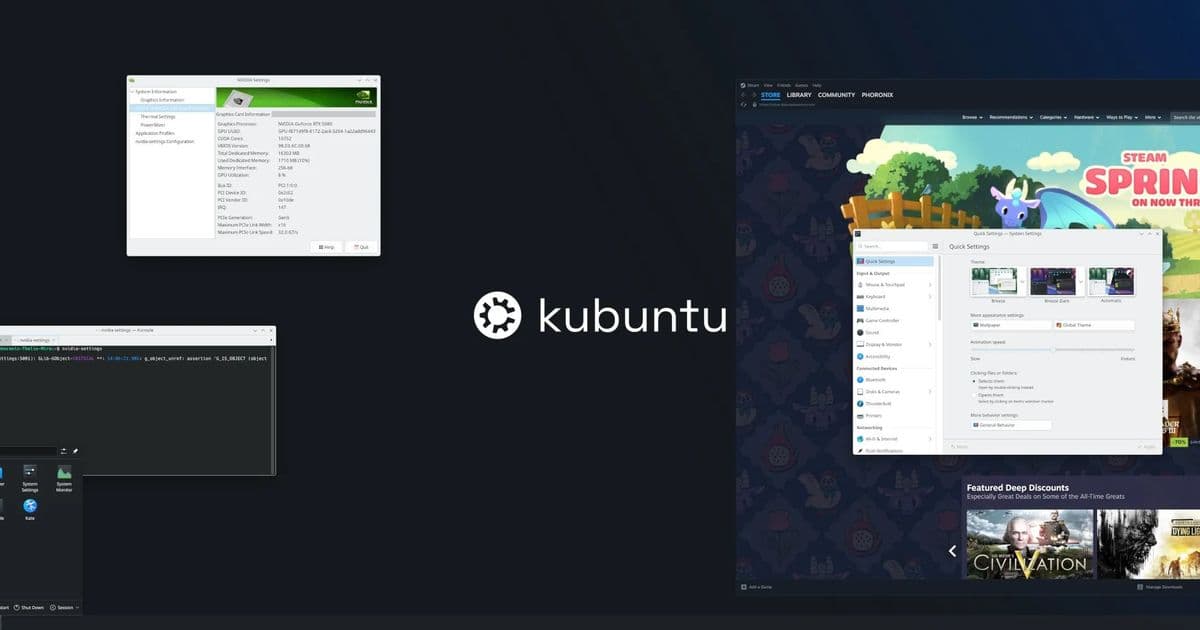
KDE Plasma 6.7 is set to introduce significant display and performance enhancements, including long-awaited ICC profile support in HDR mode and improved direct scan-out capabilities for better power efficiency.
KDE Plasma 6.7 Brings ICC Profile Support in HDR Mode and Direct Scan-Out Improvements
KDE developers continue to push the boundaries of desktop experience with Plasma 6.7, which is scheduled for a mid-June 2026 release. The latest "This Week in Plasma" update reveals several significant improvements that will enhance color accuracy, power efficiency, and overall performance for Linux desktop users.
ICC Color Profiles Meet HDR Display Technology
One of the most anticipated features in Plasma 6.7 is the support for ICC color management profiles when running KWin in high dynamic range (HDR) mode. This represents a significant advancement for users with HDR displays, as it addresses a long-standing challenge in color management for high-dynamic-range content.
ICC profiles have been the industry standard for color calibration across different devices, but their implementation in HDR environments has been problematic. The ability to use these profiles in HDR mode means that users can now maintain accurate color representation across standard and high-dynamic-range content, a crucial feature for photographers, video editors, and color-critical workflows.
The implementation of ICC profiles in HDR mode involves complex color space transformations that must account for the expanded luminance range of HDR displays. This technical challenge requires careful handling of color mapping curves and tone reproduction to ensure that colors appear both accurate and visually pleasing.
Adaptive Backlight Control for AMD Ryzen Laptops
Plasma 6.7 introduces user control over adaptive backlight modulation, a feature commonly found in newer AMD Ryzen laptops. Adaptive backlight modulation can cause noticeable flickering in some users, particularly those sensitive to PWM (pulse-width modulation) dimming.
The new option will allow users to either disable this feature entirely or adjust its intensity, providing a more comfortable viewing experience. This improvement is particularly valuable for laptop users who experience eye strain or headaches related to backlight modulation.
CPU Rendering Performance Boost
Another significant improvement in Plasma 6.7 is enhanced performance for CPU-based rendering, especially when using QtWidgets. This optimization addresses a common performance bottleneck for applications that rely on Qt's traditional widget system rather than more modern rendering approaches.
The performance gains come from more efficient rendering pipelines and better resource management during CPU-intensive operations. For users running Plasma on systems without dedicated graphics hardware or those who prefer CPU rendering for compatibility reasons, this improvement will result in a more responsive desktop experience.
Direct Scan-Out Enhancements
KWin's heuristics for direct scan-out have been significantly improved in Plasma 6.7. Direct scan-out allows the compositor to bypass the rendering pipeline and send window contents directly to the display hardware, resulting in reduced CPU/GPU usage and lower latency.
The improved heuristics will enable more applications to benefit from direct scan-out, particularly in Wayland environments. This enhancement stems from a bug report regarding a game that worked with direct scan-out under XWayland but failed when running under Proton-GE with Wayland.
The ability to use direct scan-out more reliably will provide tangible benefits for both performance and power consumption, especially for full-screen applications and games. Users can expect reduced battery drain on laptops and smoother performance on systems with limited graphics capabilities.
KDE Discover Improvements
KDE Discover, the software management tool for Plasma, will receive improvements in how it handles duplicate applications between system and user Flatpak installations. The enhanced de-duplication algorithm will provide a cleaner interface when applications are present in both locations, reducing confusion for users.
Plasma 6.6.5 Fix
In addition to new features, Plasma 6.6.5 includes a fix for the Portal-based dialog used to add launchers, which was reported as non-functional in previous releases. This fix ensures that users can properly create desktop shortcuts for their applications through the system's portal interface.
Build Recommendations
For users considering the upgrade to Plasma 6.7:
HDR Display Users: The ICC profile support in HDR mode makes this release particularly valuable if you work with color-critical applications on HDR displays.
Laptop Users with AMD Hardware: The adaptive backlight control options will improve comfort for those sensitive to PWM flickering.
Performance Enthusiasts: The direct scan-out improvements and CPU rendering optimizations will provide tangible benefits, especially on systems with integrated graphics or limited GPU capabilities.
Wayland Users: The enhanced heuristics for direct scan-out will result in better performance and compatibility in Wayland sessions.
Early Adopters: Given that this is a feature release rather than a major version bump, the upgrade should be relatively smooth for most users.
The improvements in Plasma 6.7 demonstrate KDE's continued commitment to both cutting-edge features and practical performance optimizations. The combination of advanced color management, power efficiency improvements, and performance enhancements makes this release noteworthy for a wide range of users.
For more detailed information on these changes, readers can refer to the This Week in Plasma blog for additional context and technical details.

The KDE Plasma desktop environment continues to evolve with practical improvements for both everyday users and power users alike.
Comments
Please log in or register to join the discussion