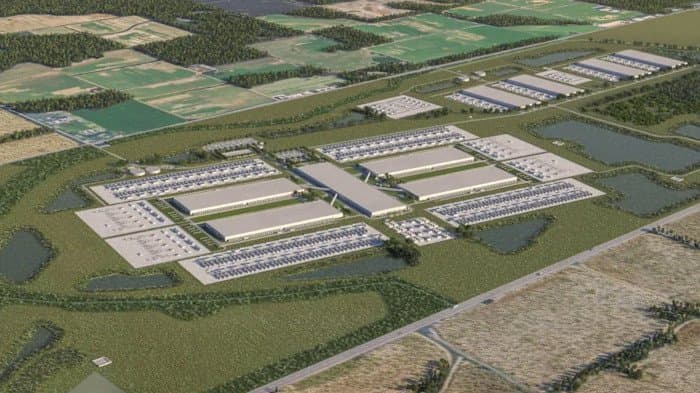
Major investors are declining data center debt deals due to insufficient insurance coverage for natural disaster risks, highlighting growing concerns in the AI infrastructure boom.
Major private equity firms are increasingly walking away from data center debt deals as insufficient insurance coverage for natural disaster risks creates mounting concerns in the AI infrastructure boom. According to sources cited by the Financial Times, firms like KKR and Blackstone have turned down multiple opportunities due to inadequate protection against catastrophic events.
The insurance gap represents a significant hurdle for the data center industry, which is experiencing unprecedented growth driven by AI workloads. As companies race to build massive computing facilities, the financial risks associated with natural disasters—from hurricanes to earthquakes—are becoming harder to underwrite at reasonable rates.
This development comes amid broader challenges in the data center sector. The industry is grappling with power constraints, cooling requirements, and the sheer scale of infrastructure needed to support AI training and inference workloads. The insurance issue adds another layer of complexity to an already challenging buildout.
For investors, the lack of sufficient coverage means taking on risks that could potentially wipe out returns in the event of a major disaster. This is particularly concerning given the massive capital expenditures required for modern data centers, which can run into hundreds of millions or even billions of dollars.
The trend reflects a growing disconnect between the rapid pace of AI infrastructure development and the traditional risk management frameworks that have historically governed large-scale construction projects. As AI companies continue to push for faster deployment of computing capacity, the financial sector is becoming more cautious about the underlying risks.
This insurance gap could potentially slow the pace of data center construction, particularly in regions prone to natural disasters. It may also drive innovation in alternative risk management strategies, such as distributed computing architectures or more resilient facility designs.
The situation highlights the complex interplay between technological advancement and traditional business practices. While AI companies are pushing the boundaries of what's possible with computing, the financial infrastructure supporting this growth is struggling to keep pace with the associated risks.
For the broader tech industry, this development serves as a reminder that even the most cutting-edge technologies are still subject to fundamental business constraints. The AI revolution may be accelerating, but it's not immune to the practical challenges of risk management and insurance underwriting.
As the data center industry continues to evolve, finding solutions to these insurance gaps will be crucial for maintaining the momentum of AI infrastructure development. Whether through innovative insurance products, improved facility designs, or alternative financing structures, addressing these concerns will be essential for the continued growth of the AI ecosystem.
Comments
Please log in or register to join the discussion