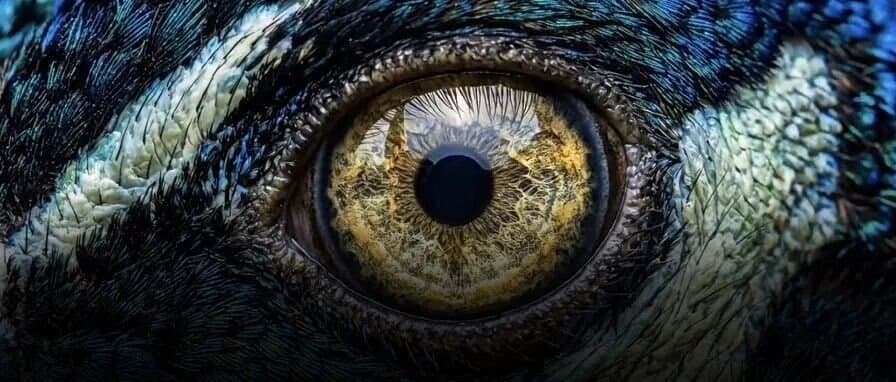
Kuaishou's Kling AI now outputs true 3840x2160 video directly, removing the quality gap that kept AI-generated clips from commercial use.
Kuaishou's Kling AI (official page) has released a native 4K video generation model that outputs true 3840x2160 resolution directly, rather than upscaling from lower resolutions. This development addresses a long standing limitation that prevented AI video from meeting commercial quality standards.
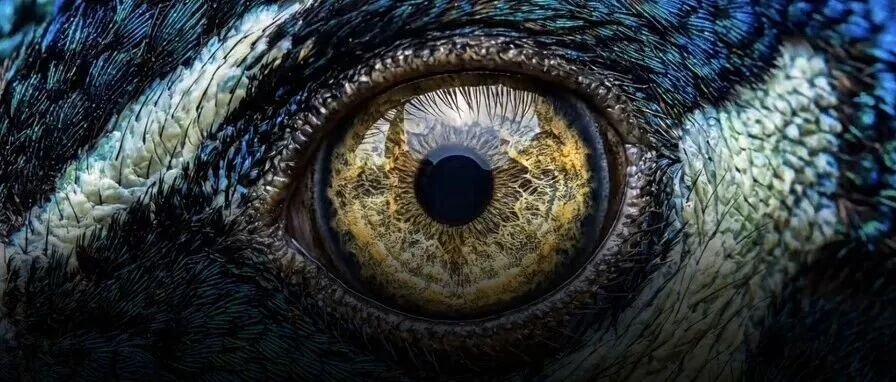
Most AI video tools generate at 1080p and then apply interpolation to claim 4k output. Interpolation creates artificial detail that fails under close inspection, especially where sharp edges, text, or fine textures are required. By generating at full resolution, Kling provides per pixel information that survives professional quality review.
Kuaishou evaluated the model in three commercial scenarios: a brand advertisement for an older smartphone, a fashion editorial that required accurate silk and knit texture reproduction, and an outdoor sports film where product and environment must integrate well. In each test a single take produced output that met the quality thresholds used by advertising agencies and production houses. The results suggest that the cost of creating a fifteen second spot can drop from tens of thousands of RMB to the expense of a single AI generation pass.
The shift from novelty to cost effective tooling means that teams can iterate on creative concepts faster and allocate budget to other aspects of production. While the technology still faces challenges such as consistency across longer sequences and control over complex physics, the native 4k capability removes a major barrier that kept AI video out of professional pipelines.
Comments
Please log in or register to join the discussion