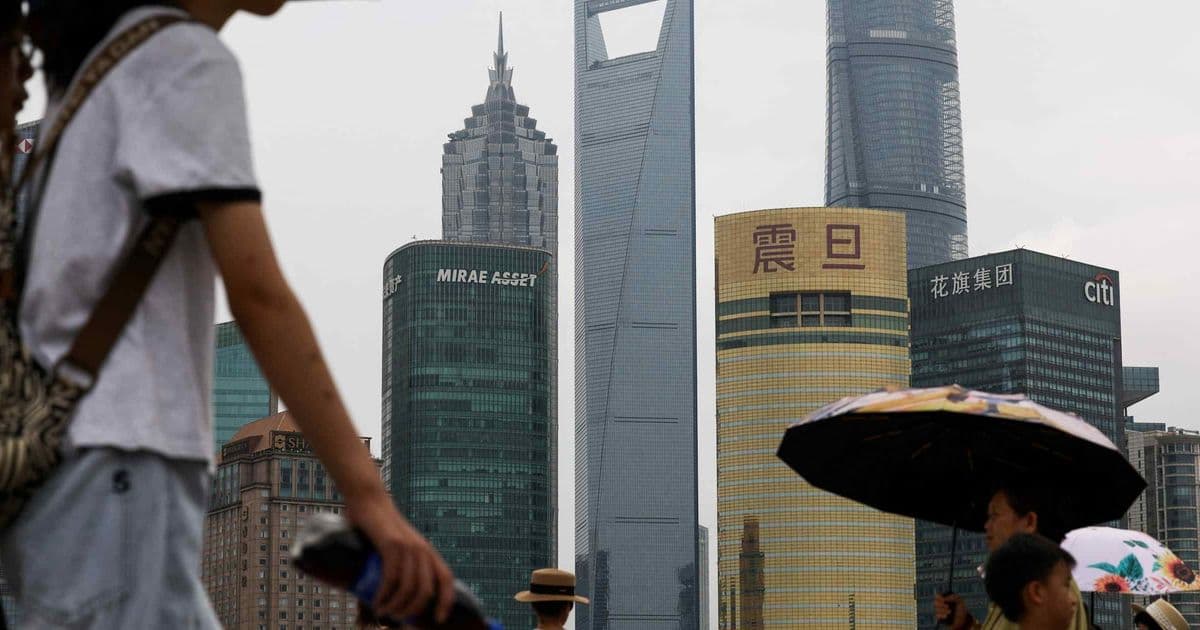
A knife assault at a Japanese restaurant inside Shanghai’s World Financial Center left three injured, including two Japanese nationals. The incident, occurring in a high‑profile financial district, has prompted heightened security measures by Japanese firms and renewed diplomatic dialogue between Tokyo and Beijing.
Incident Overview
On May 19, 2026, a man armed with a kitchen knife entered a Japanese restaurant located on the 87th floor of the Shanghai World Financial Center (SWFC) and attacked three patrons. Two of the victims were Japanese expatriates; the third was a Chinese citizen. All three suffered non‑fatal injuries and were taken to a nearby hospital for treatment. Local police detained the suspect shortly after the attack, and the Consulate‑General of Japan in Shanghai confirmed the identities of the Japanese victims.
Market Context
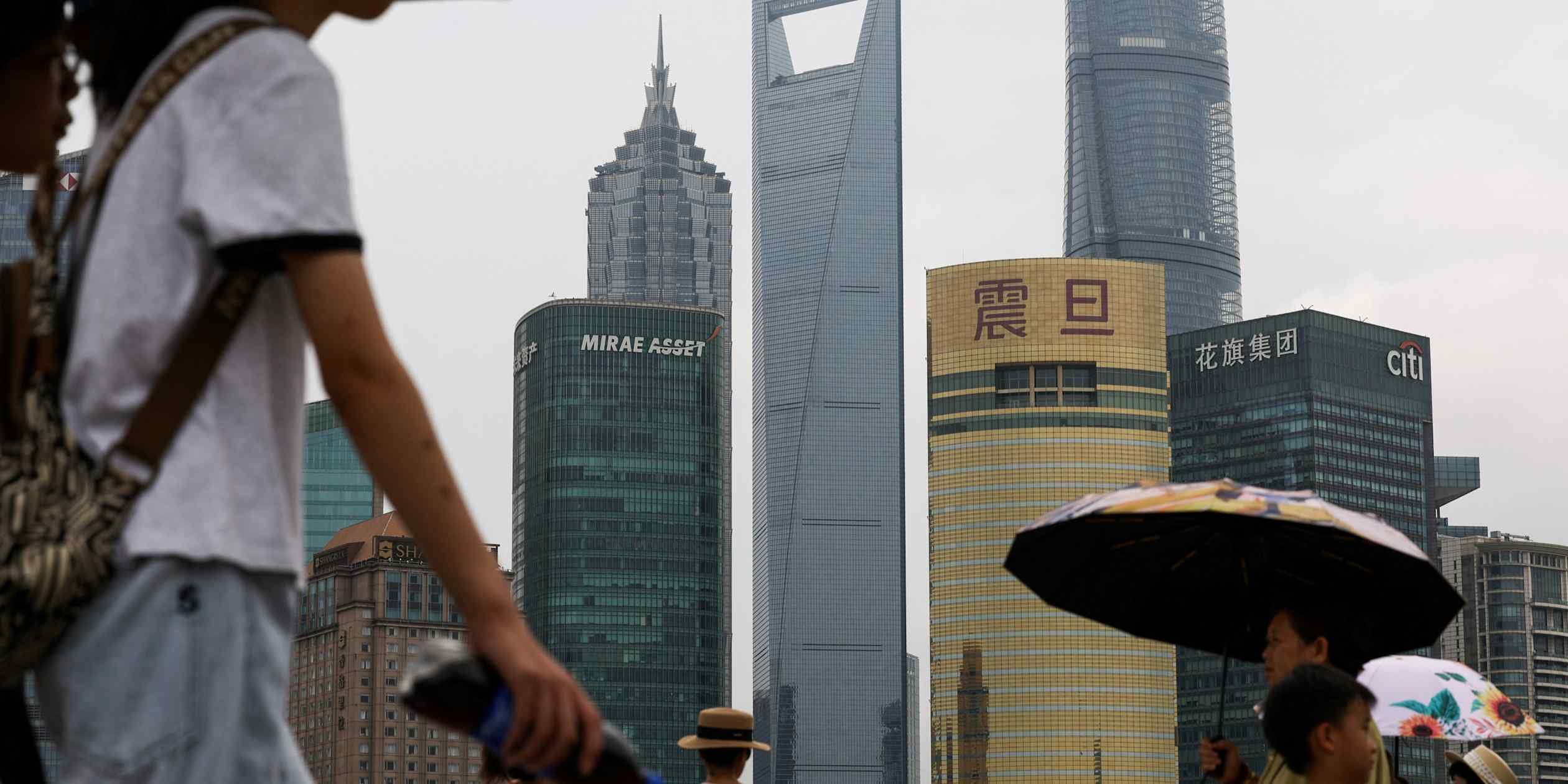
The SWFC sits in Lujiazui, Shanghai’s premier financial hub, home to multinational banks, insurance firms, and a growing cohort of Japanese corporations. In 2025, Japanese direct investment in China reached $13.2 billion, with Shanghai accounting for roughly 28 % of that flow. The city hosts over 7,000 Japanese employees across sectors ranging from automotive to fintech.
Security incidents involving foreign nationals can have an outsized impact on corporate risk assessments. A 2023 survey by the Japan External Trade Organization (JETRO) found that 42 % of Japanese firms operating in China cited “personal safety of staff” as a top‑priority concern, up from 31 % in 2020. The Shanghai attack therefore arrives at a moment when Japanese firms are already reallocating resources toward enhanced security protocols.
Immediate Corporate Responses
- Travel Advisories – The Japan Ministry of Foreign Affairs issued a Level 2 advisory for the Shanghai metropolitan area, urging Japanese citizens to avoid crowded venues after dark and to register with the embassy.
- Security Audits – Major Japanese banks with Shanghai branches, including Mitsubishi UFJ Financial Group and Sumitomo Mitsui Banking Corporation, announced internal reviews of their on‑site security measures. Both firms plan to increase the presence of security personnel in high‑traffic dining areas by 15 % over the next quarter.
- Insurance Adjustments – Corporate insurers have begun revising expatriate coverage premiums. A leading insurer, Tokio Marine, raised its “kidnap‑and‑ransom” add‑on for Shanghai‑based staff by 7 %, reflecting the perceived rise in personal‑risk exposure.
Diplomatic Implications
The incident adds strain to an already delicate Japan‑China relationship, which has been marked by diplomatic friction over Taiwan and trade disputes. While Beijing’s public statements have downplayed the event as an isolated criminal act, Japanese officials have called for a transparent investigation and stronger protective measures for foreign nationals.
Historically, security incidents have prompted short‑term diplomatic overtures. After the 2019 stabbing of a Japanese tourist in Guangzhou, both governments convened a joint task force that resulted in the installation of additional CCTV cameras in tourist districts. Analysts anticipate a similar, albeit limited, response this time, focusing on high‑visibility venues rather than a city‑wide overhaul.
What It Means for the Tech and Business Community
- Talent Retention – Japanese firms may face renewed difficulty in attracting and retaining talent in Shanghai. A recent internal poll at a Japanese fintech startup showed 23 % of expatriate staff considering relocation to Singapore or Hong Kong due to safety concerns.
- Operational Costs – Enhanced security measures—additional guards, upgraded surveillance systems, and higher insurance premiums—could add ¥1.2 million (≈$8,500) per year per office location, a non‑trivial expense for mid‑size subsidiaries.
- Supply‑Chain Vigilance – Companies with just‑in‑time manufacturing links to Shanghai’s industrial parks may reassess logistics routes to avoid high‑risk zones, potentially shifting a modest portion of cargo to inland hubs such as Suzhou or Hangzhou.
Outlook
The Shanghai knife attack is unlikely to trigger a wholesale withdrawal of Japanese investment, but it does underscore the fragility of the expatriate environment in China’s most international districts. Firms are expected to allocate additional budget toward security and to monitor diplomatic developments closely. For investors, the incident serves as a reminder that geopolitical and public‑safety risks remain integral components of the risk‑adjusted return calculation for China‑focused portfolios.
Sources: Consulate‑General of Japan in Shanghai press release, Reuters, JETRO 2023 expatriate safety survey, Ministry of Foreign Affairs of Japan travel advisory, corporate statements from Mitsubishi UFJ Financial Group and Sumitomo Mitsui Banking Corporation.
Comments
Please log in or register to join the discussion