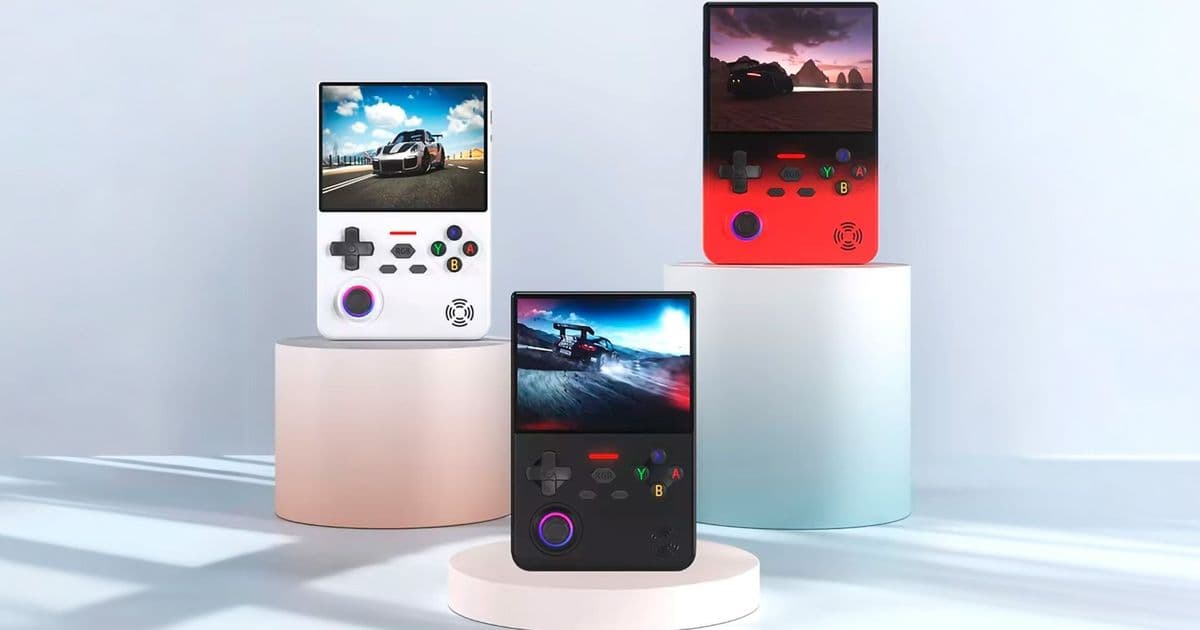
Lenovo's newly released G02 retro handheld has ignited controversy by shipping with thousands of copyrighted games, including numerous Nintendo titles. The officially licensed device, designed exclusively for the Chinese market, raises significant questions about intellectual property rights and regional licensing strategies in the gaming hardware space.
Lenovo's entry into the retro gaming handheld market with the G02 device has taken an unexpected turn, as the affordable $63.56 console has been discovered to come preloaded with thousands of copyrighted games, predominantly titles from Nintendo. The revelation has sparked discussions about intellectual property rights, regional licensing agreements, and the potential legal ramifications for the tech giant.
The Officially White-Labeled Device
The Lenovo G02 retro handheld, launched earlier this month in China, initially raised questions about its legitimacy. Many consumers wondered whether this was a genuine Lenovo product or simply a third-party device using the company's branding without authorization. According to Retro Dodo, a Lenovo employee from the company's Product and Licensing department confirmed that the G02 is indeed an officially white-labeled device produced through a regional brand licensing agreement intended exclusively for the Chinese market.
"The G02 device is produced through a regional brand licensing agreement meant for the China market only and is not part of Lenovo's official global product portfolio," the company reportedly stated. "As such, products developed through these agreements may differ from Lenovo products sold through authorized channels."
This clarification confirms that while the device carries the Lenovo name, it was developed through a partnership with a third-party manufacturer specifically for the Chinese market. The device represents an interesting strategy for Lenovo to enter the retro gaming hardware space without the full development costs and market risks associated with a global release.
Technical Specifications and Market Positioning
At just $63.56, the Lenovo G02 is positioned as an extremely affordable entry point into the retro gaming handheld market. This price point significantly undercuts competitors and even Lenovo's own more modern gaming hardware, such as the Legion Go 2, which costs substantially more.
While the article doesn't provide detailed technical specifications, the device's primary selling point appears to be its extensive game library rather than raw processing power. The inclusion of thousands of preloaded games—particularly Nintendo titles—suggests the device likely targets consumers seeking nostalgia and immediate entertainment without the need to source and install games individually.
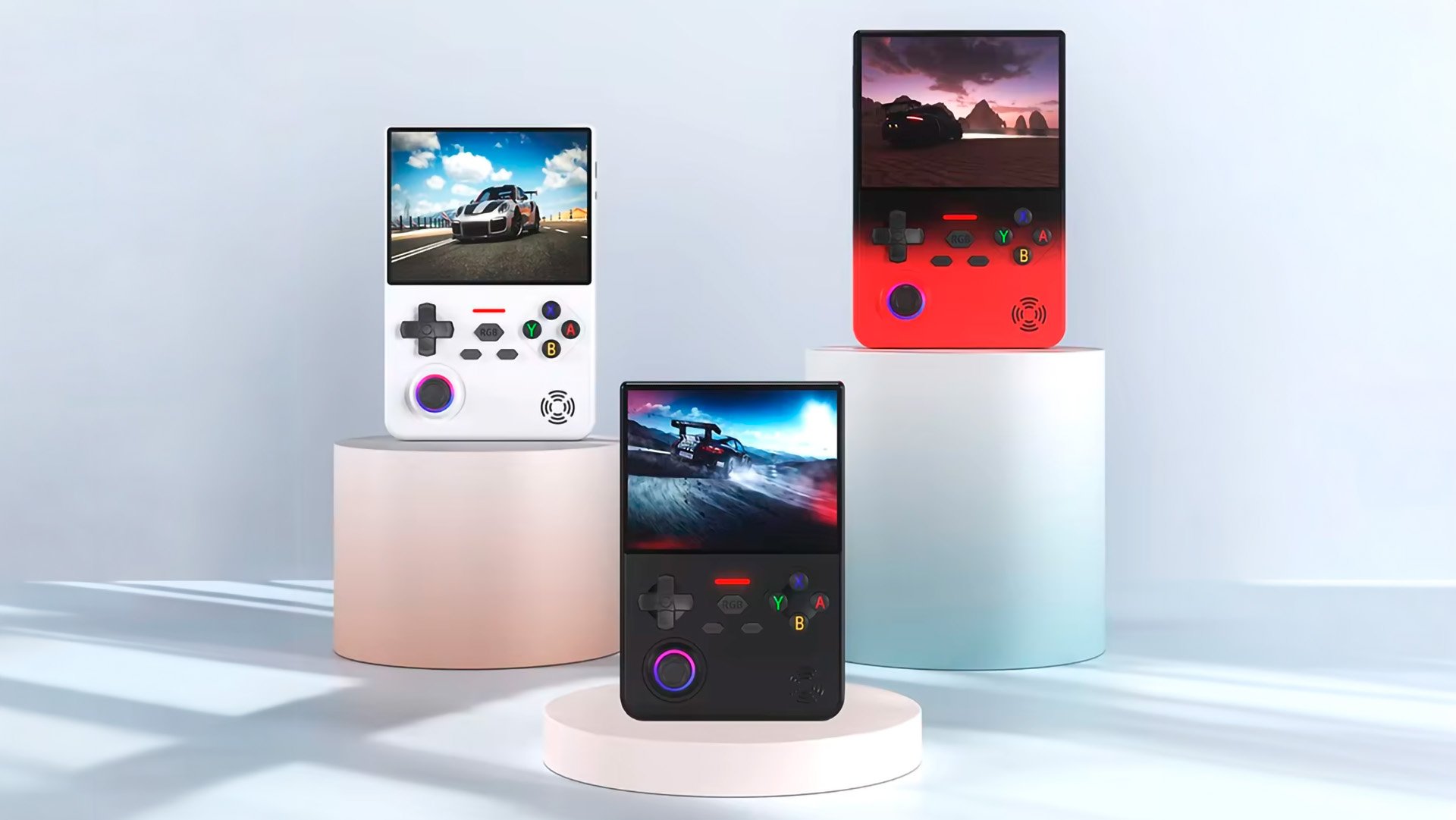
The retro gaming handheld market has seen significant growth in recent years, with numerous manufacturers releasing devices emulating classic consoles from the 1980s and 1990s. However, most of these devices require users to provide their own ROM files or purchase games through legal channels. Lenovo's approach of preloading thousands of games, including copyrighted titles, represents a significant departure from industry norms.
The Copyright Conundrum
What truly sets the Lenovo G02 apart from other retro gaming handhelds is the discovery that it comes preloaded with thousands of copyrighted games, with a substantial portion being Nintendo titles. This revelation raises immediate questions about licensing and intellectual property rights.
Nintendo has built a reputation as one of the most protective companies regarding its intellectual property. The Japanese gaming giant has a long history of pursuing legal action against entities that infringe on its copyrights, from ROM distribution sites to emulator developers. The company's aggressive stance on IP protection has made it one of the most litigious entities in the gaming industry.
The inclusion of Nintendo games on the Lenovo G02 presents several potential scenarios:
Unauthorized Distribution: The third-party manufacturer may have loaded the ROMs without proper authorization, either to boost sales or as a testing oversight that made it into the final product.
Limited Regional Licensing: Lenovo or its manufacturing partner may have secured some form of licensing for distribution within China, though this seems unlikely given Nintendo's historically strict global IP policies.
Gray Market Practices: The games might have been included through unofficial channels, with the manufacturer assuming the risk in exchange for a competitive advantage.
The AliExpress product page for the G02 does not advertise the inclusion of these games, suggesting that either the manufacturer deliberately kept this feature unadvertised or discovered the preloaded games after the listing went live.
Legal Implications for Lenovo
Even if the Lenovo G02 is a white-labeled device produced by a third party, the fact that it carries Lenovo's branding creates potential legal exposure for the company. Under trademark and product liability laws, companies can be held responsible for the actions of their licensees, especially when those actions involve intellectual property infringement.
Several potential legal consequences could arise from this situation:
Nintendo Legal Action: Given Nintendo's history of aggressive IP protection, the company could potentially pursue legal action against Lenovo, even if the infringement occurred through a licensed manufacturer.
Product Recalls: Lenovo might need to recall the affected devices to mitigate potential damages and demonstrate good faith in resolving the issue.
Reputational Damage: The association with copyright infringement could harm Lenovo's reputation, particularly among gaming enthusiasts who value intellectual property rights.
Strategic Reassessment: The incident could lead Lenovo to reassess its regional licensing strategy and implement more stringent oversight for third-party products bearing its name.
Regional Licensing Strategy and Market Considerations
The Lenovo G02 represents an interesting case study in regional licensing strategies. By partnering with a third-party manufacturer for the Chinese market specifically, Lenovo can test the waters of the retro gaming hardware space with minimal investment and risk.
This approach allows Lenovo to:
Enter new market segments without the full development costs of creating a product from scratch.
Tailor products to specific regional preferences and market conditions.
Mitigate risks associated with global product launches.
However, the Lenovo G02 situation highlights the potential pitfalls of such strategies, particularly when licensees take liberties with product features that could lead to legal complications.
The Chinese gaming market presents unique opportunities and challenges for international companies. While China represents one of the largest gaming markets globally, it also has distinct regulatory environments and consumer expectations. Lenovo's decision to target this market specifically with a retro gaming handheld suggests the company sees significant potential in this segment.
Industry Context and Broader Implications
The Lenovo G02 situation reflects broader tensions in the gaming industry surrounding intellectual property, emulation, and retro gaming. As technology has advanced, the ability to play classic games on modern hardware has become increasingly accessible, creating both opportunities and legal challenges.
The retro gaming market has grown substantially, with many consumers eager to experience classic titles without the need for original hardware or cartridges. This demand has led to numerous devices that emulate classic consoles, often through gray market practices that involve distributing copyrighted ROMs without proper authorization.
Nintendo's strict stance on IP protection contrasts with the growing consumer demand for access to classic games. This tension has created a challenging environment for legitimate retro gaming hardware manufacturers who must navigate complex licensing arrangements while meeting consumer expectations.
Potential Outcomes and Future Considerations
Several potential outcomes could emerge from the Lenovo G02 situation:
Nintendo Legal Action: Given the company's history, Nintendo could pursue legal action against Lenovo, potentially resulting in product recalls, financial penalties, or changes to Lenovo's licensing practices.
Voluntary Remediation: Lenovo could proactively address the issue by recalling devices, removing infringing content, and implementing stricter oversight for future licensing agreements.
Market Segmentation: Lenovo might double down on its regional strategy, focusing on markets with more flexible IP regulations while avoiding regions with strict enforcement.
Industry Impact: The incident could prompt other hardware manufacturers to review their licensing agreements and IP compliance procedures, potentially leading to more standardized practices across the industry.
The Lenovo G02 situation serves as a reminder of the complexities involved in intellectual property management in the digital age. As technology continues to evolve and the lines between legitimate and unauthorized use become increasingly blurred, companies must navigate these challenges carefully to avoid legal complications while meeting consumer demand.

Conclusion
The Lenovo G02 retro handheld represents an ambitious entry into the retro gaming market, but its preloading of thousands of copyrighted games—particularly Nintendo titles—has created significant legal concerns. While Lenovo has confirmed the device as an officially licensed product for the Chinese market, the inclusion of unlicensed ROMs raises questions about oversight and due diligence in the licensing process.
As the situation develops, the industry will be watching closely to see how Lenovo addresses these concerns and whether this incident leads to broader changes in how companies approach intellectual property in retro gaming hardware. For Lenovo, the G02 could either represent a successful market entry strategy or a cautionary tale about the risks of regional licensing in an industry where intellectual property rights are fiercely protected.
The retro gaming market continues to grow, and devices like the Lenovo G02 highlight the ongoing tension between consumer demand for classic games and the legal frameworks governing intellectual property. As this market evolves, finding a balance between accessibility and compliance will remain a critical challenge for manufacturers and rights holders alike.
Comments
Please log in or register to join the discussion