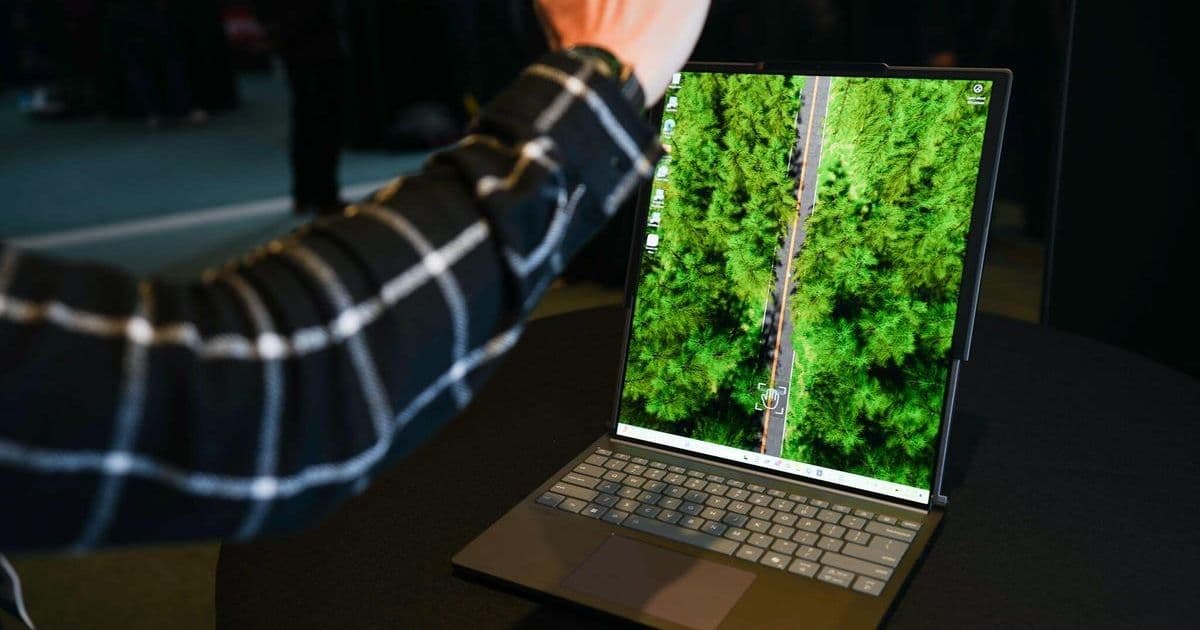
Lenovo's revolutionary ThinkBook Plus Gen 6 Rollable laptop, first showcased as a concept at CES 2025, is now commercially available. Featuring an expanding OLED display that doubles screen real estate with gesture controls, this $3,299 device blurs the line between innovation and practicality for mobile professionals.
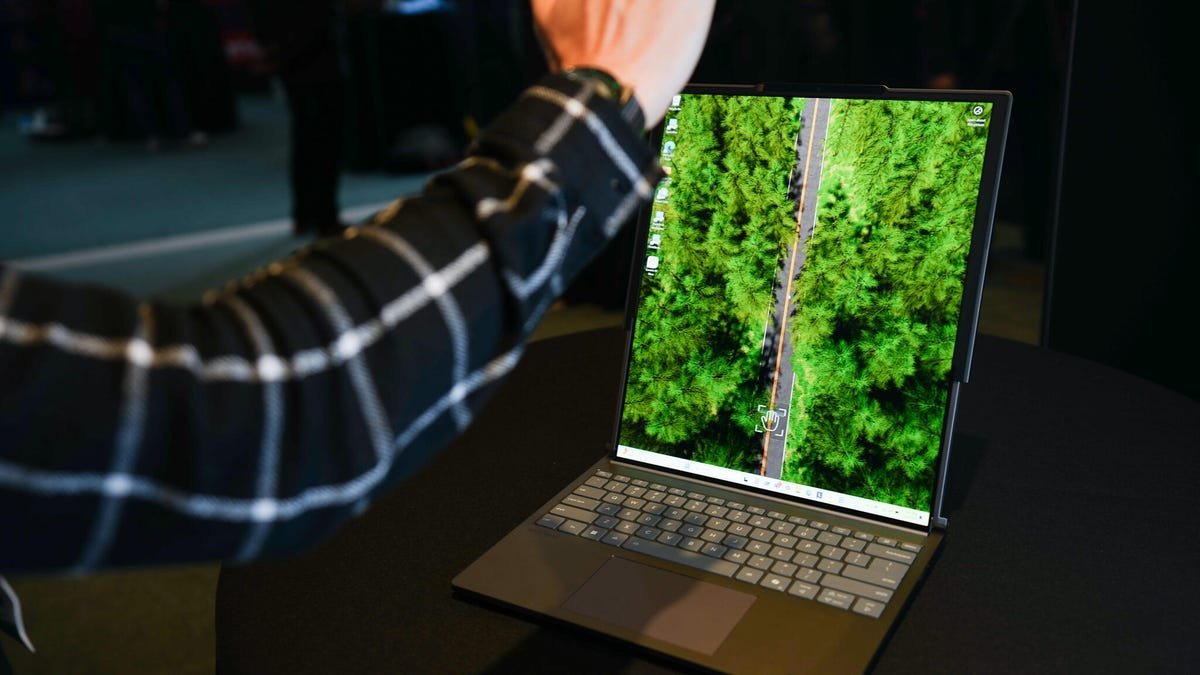
Two years after turning heads at CES, Lenovo's rollable laptop has transitioned from futuristic prototype to shipping product. The ThinkBook Plus Gen 6 Rollable is now available for $3,299, challenging conventional laptop design with its mechanically expanding 14-inch OLED display that extends vertically to 16.7 inches on command. This represents one of the most significant hardware innovations in mobile computing since foldables emerged.
Engineering the Unfolding Revolution
At its core, the Rollable ThinkBook solves a fundamental productivity constraint: screen real estate portability. When triggered by a physical button or intuitive hand gesture (palm raise/lower), the display unfurls from beneath the keyboard like a theater screen. Unlike foldable devices, there's no visible crease on the 2.3K OLED panel, which delivers 120Hz refresh rates and 400 nits brightness. The mechanism enables dual-window workflows without external monitors, transforming coffee-shop sessions into multi-tasking power zones.
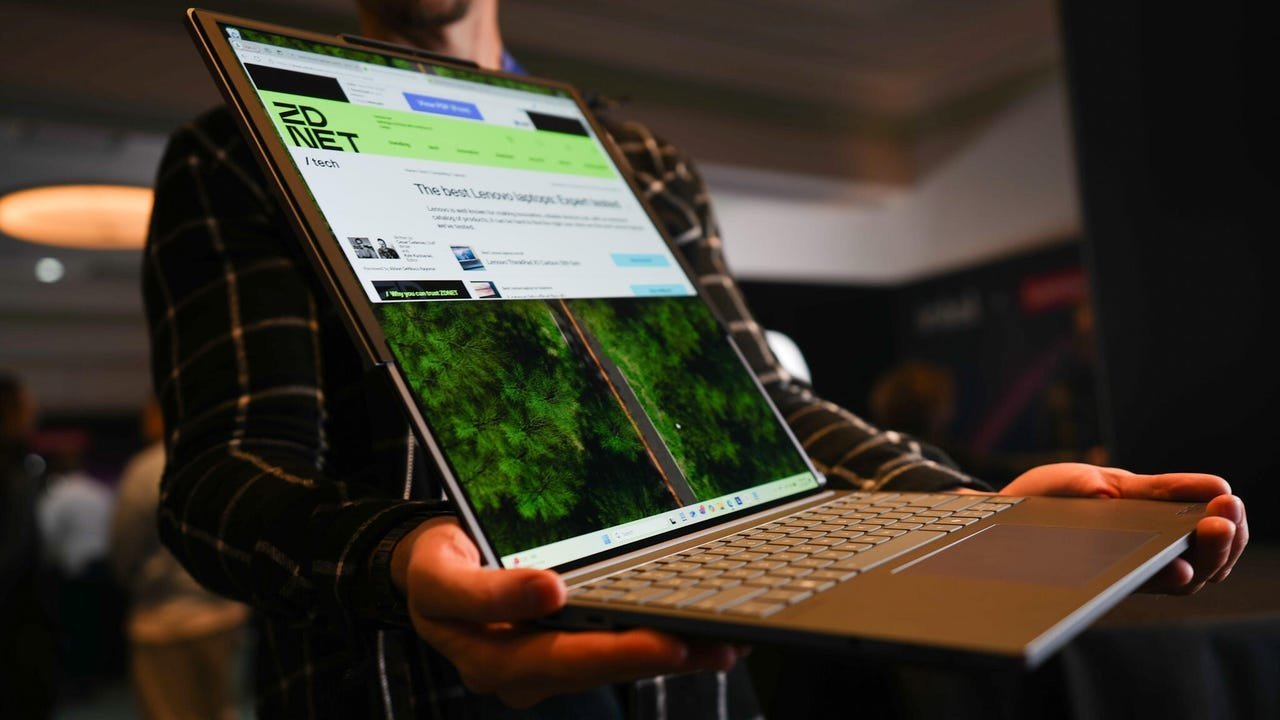 Kerry Wan/ZDNET
Beyond the Gimmick: Practical Tradeoffs
Despite its sci-fi appeal, early adopters face tangible compromises:
- Portability quirks: The screen requires full retraction before transport, adding friction to quick pack-ups
- Premium pricing: Configuration includes Intel Core Ultra 7 processor, 32GB RAM, and 1TB storage, but costs over twice a premium ultrabook
- Niche appeal: The wobble during extension (though minimal) reminds users this remains emergent technology
"When I tested it at CES, the build was surprisingly sturdy, but the real magic is how it reimagines workspace flexibility without bulk," notes ZDNET's hands-on review. "You're paying for the privilege of being first."
The Broader Implications
Lenovo's commercial release signals confidence in mechanical display technology overcoming durability hurdles that plagued early foldables. For developers, it presents new UI/UX challenges: apps must adapt to dynamically resizing screens, while web designers might reconsider responsive breakpoints. Though currently a halo product, the technology could trickle down to mainstream devices if manufacturing scales.
This rollable leap demonstrates that after decades of incremental keyboard-and-clamshell evolution, the laptop form factor still holds radical potential. While not yet a practical choice for most, it offers a compelling glimpse into a future where our screens fluidly adapt to tasks rather than constrain them.
Source: ZDNET
Comments
Please log in or register to join the discussion