The Transportation Security Administration has issued renewed warnings about 'juice jacking' attacks via public USB ports and data interception on airport Wi-Fi networks. Security experts explain how travelers can protect devices from these stealthy threats without sacrificing connectivity during summer travels.
As summer travel peaks, the Transportation Security Administration (TSA) has issued an urgent cybersecurity alert that should make every tech-savvy traveler pause before plugging into airport USB ports or connecting to public Wi-Fi. The convenience of free charging stations and open networks masks significant risks—from data-siphoning 'juice jacking' attacks to wireless eavesdropping by nearby threat actors.
The Stealth Threat in Charging Ports
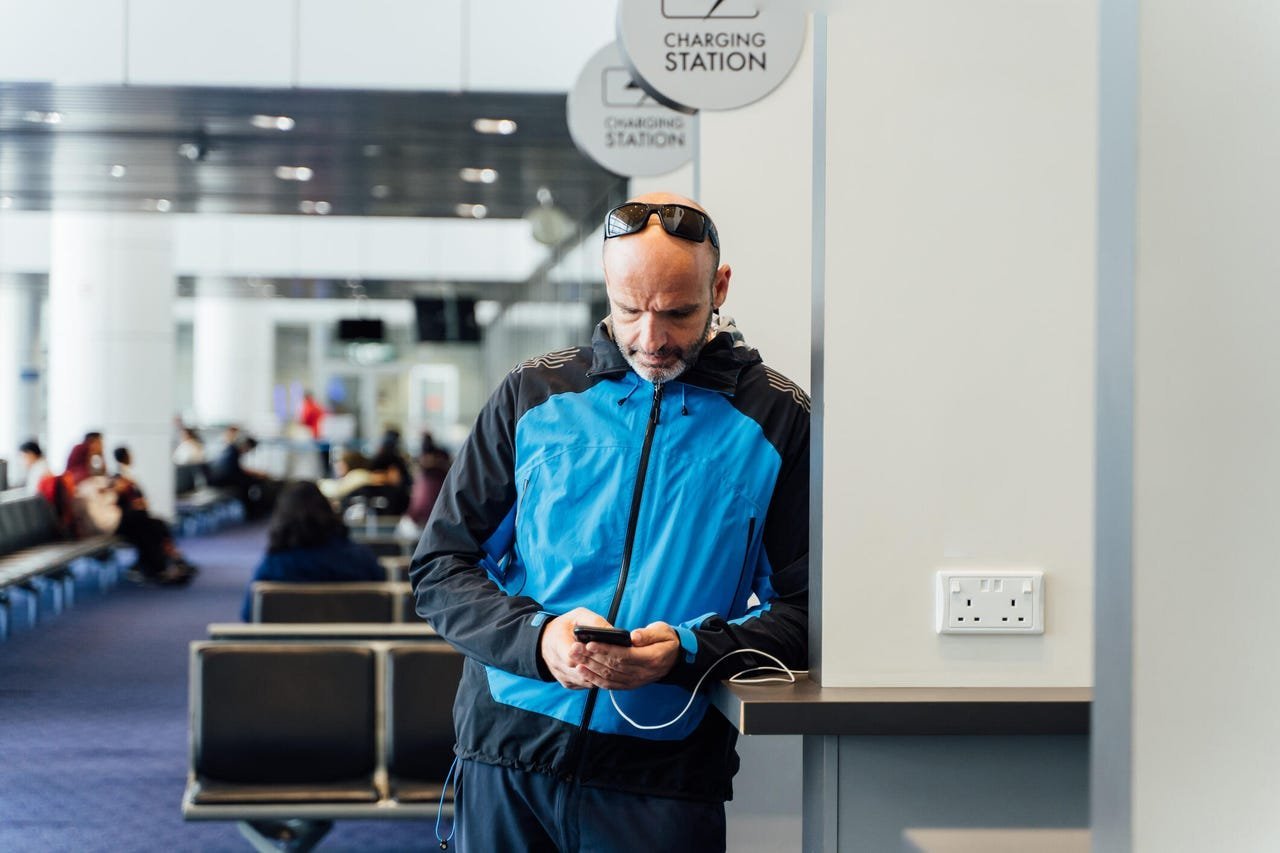
The TSA's Facebook alert highlights how malicious actors can compromise public USB charging stations to install malware through a technique called juice jacking. When travelers plug into tampered ports, attackers can:
- Exfiltrate passwords, contacts, and sensitive files
- Lock devices for ransomware demands
- Install persistent spyware without user awareness
While the FCC notes no confirmed criminal cases as of 2023, security researchers emphasize the attack is technically trivial to execute. "USB cables carry both power and data lanes," explains cybersecurity analyst Mark Henderson. "Juice jacking exploits this dual-purpose design—it's the digital equivalent of drinking from a poisoned well."
 Carles Navarro Parcerisas/Getty Images
Wi-Fi Networks: The Invisible Sniffers
Airport Wi-Fi presents equally dangerous attack surfaces:
- Man-in-the-middle attacks: Hackers on the same network intercept unencrypted traffic
- Fake hotspots: Malicious networks impersonate legitimate airport Wi-Fi
- Credential harvesting: Login walls capture emails and passwords for reuse attacks
The TSA cautions against accessing banking, shopping, or sensitive accounts on these networks—even when password-protected.
Defense Strategies for Tech Professionals
Secure Charging Alternatives
- USB Data Blockers: Physical adapters that disable data pins ($5-15)
- AC Wall Adapters: Bypass USB ports entirely using standard outlets
- Power-Only Cables: Specialized cables with data wires physically removed
- Portable Power Banks: FAA-approved models under 100Wh (check airline policies)
Wi-Fi Protection Protocol
- Mandatory VPN Usage: Encrypt all traffic with vetted mobile VPNs (WireGuard or OpenVPN protocols)
- Cellular Hotspots: Prioritize mobile data tethering over public Wi-Fi
- Burner Accounts: Use temporary emails for forced logins
- HTTPS Enforcement: Browser extensions like HTTPS Everywhere
"These threats leverage human convenience against security," notes travel tech researcher Lena Torres. "The solution isn't avoiding technology—it's deploying the right safeguards. A $10 USB condom and VPN subscription are today's essential travel accessories."
While absolute risk remains low, the TSA's advisory signals growing institutional concern. For developers and enterprise teams, this underscores a broader truth: cybersecurity extends beyond corporate firewalls into the transit hubs connecting our digital lives. As airports modernize infrastructure, perhaps secure charging kiosks with integrated data blockers will become the new standard—until then, vigilance remains the traveler's first line of defense.
Source: ZDNet (Artie Beaty)
Comments
Please log in or register to join the discussion