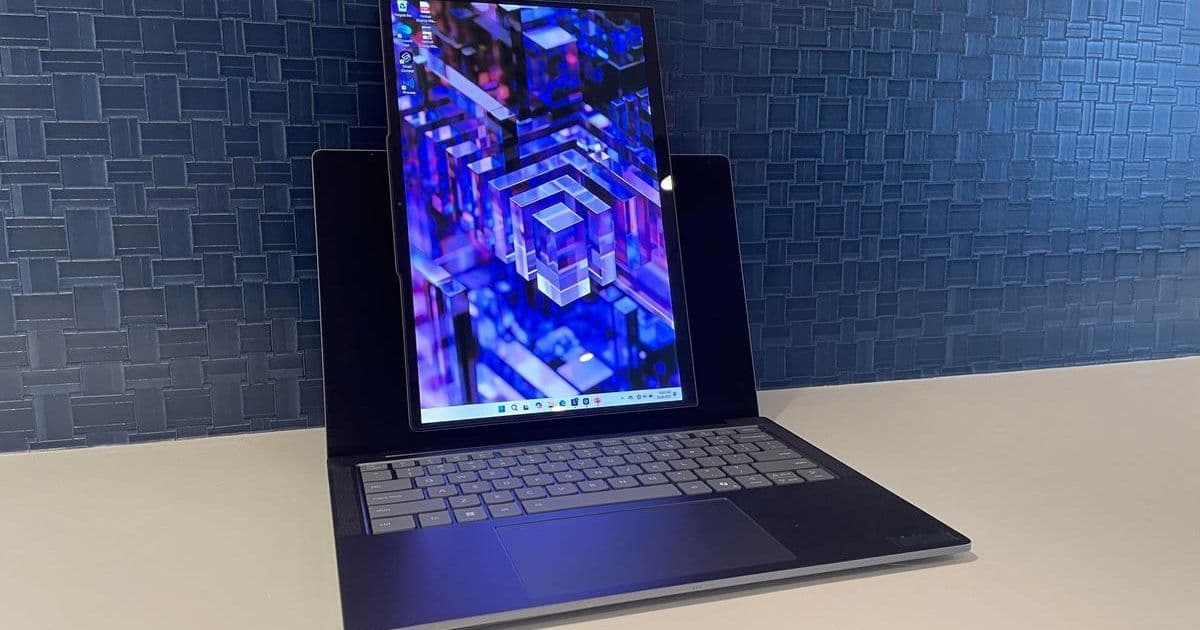
At IFA 2025, Lenovo unveiled the ThinkBook VertiFlex, a proof-of-concept laptop featuring a 14-inch screen that physically rotates between portrait and landscape orientations. This innovation promises to enhance productivity for coding, document editing, and vertical content consumption, though design questions around durability linger. Hands-on testing reveals a surprisingly intuitive experience that could redefine portable computing.
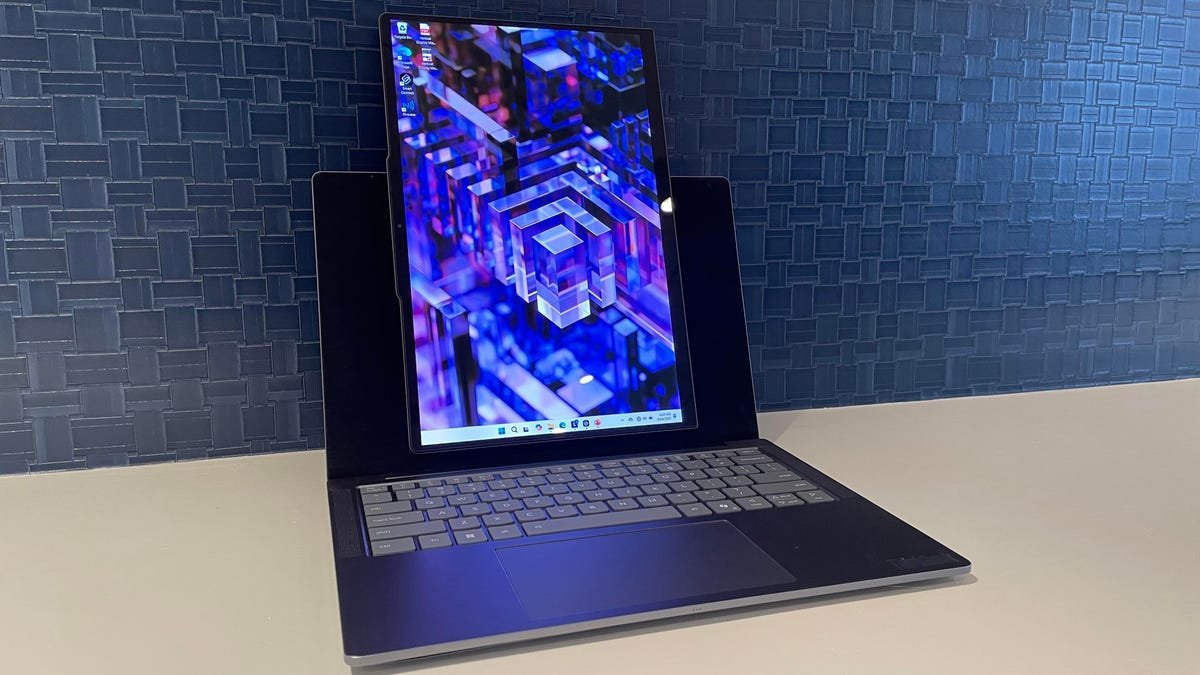
The future of laptop displays isn't just getting bigger—it's learning to pivot. At IFA 2025, Lenovo's ThinkBook VertiFlex prototype emerged as a standout innovation, challenging conventional clamshell designs with a screen that rotates seamlessly between landscape and portrait modes. This isn't a software trick; it's a mechanical marvel where the display detaches from the chassis, allowing users to physically swivel it 90 degrees. Content adapts instantly, mirroring the fluidity of a smartphone, but in a full-fledged Windows laptop weighing just three pounds. For developers drowning in code or writers battling lengthy documents, this vertical real estate isn't a luxury—it's a potential game-changer.
Hands-On: Simplicity Meets Engineering Wizardry
During a demo, the VertiFlex's operation felt deceptively straightforward: grab the screen, rotate it, and watch as apps reorient in real-time. Yet beneath that simplicity lies intricate engineering. The display module rotates independently from the base, locking securely into place without external controls. In portrait mode, it rests against the laptop's back panel, creating a stable, tablet-like interface. As Kyle Kucharski of ZDNET noted after testing, 'It pivots into position, seamlessly swapping between modes—just like your smartphone.' This ergonomic shift isn't just novel; it taps into the growing demand for versatile hardware that adapts to tasks rather than forcing users to adapt to it.
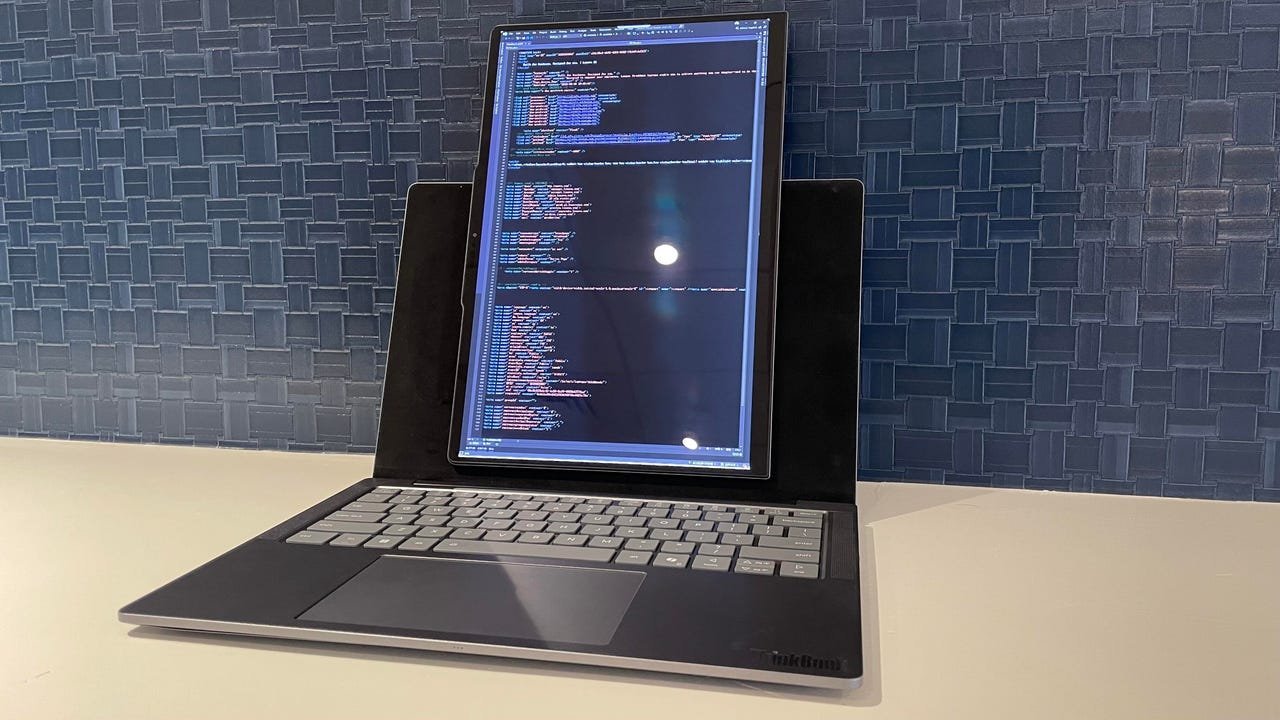 Caption: The ThinkBook VertiFlex in action, showcasing its rotating mechanism (Credit: Kyle Kucharski/ZDNET).
Why Developers Should Care: Vertical Space Unleashed
For technical professionals, the VertiFlex's portrait mode offers tangible benefits. Coding becomes more efficient with longer lines of code visible without scrolling—imagine debugging or reviewing pull requests with 50+ lines in view. Document editing and PDF reading gain similar advantages, reducing eye strain during marathon sessions. As one ZDNET editor observed after using Lenovo's rollable laptop (a precursor to this concept), 'Having the space to see entire pages in one glance feels great.' The VertiFlex refines this idea into a more compact, accessible form, suggesting a future where laptops cater to specialized workflows without sacrificing portability.
The Elephant in the Room: Durability and Design Quirks
Not all aspects inspire confidence. The prototype's fabric backing—a textured material between the screen and base—raises red flags for longevity. Fabric attracts dust, stains, and wear, posing risks in a device meant for daily travel. As Kucharski pointed out, 'How it's going to look in two years is a concern.' While Lenovo might opt for aluminum in production models, the choice underscores the balancing act between innovation and ruggedness. If finalized, this laptop must withstand developer lifestyles: coffee spills, backpack tosses, and years of constant rotation cycles.
The Bigger Picture: A Step Toward Context-Aware Hardware
Lenovo hasn't announced pricing or a release date, but the VertiFlex signals a broader trend. Following their rollable laptop debut earlier this year, the company is pushing boundaries in adaptive displays. For the tech industry, this could accelerate a shift toward 'context-aware' devices—hardware that morphs to fit user needs, much like foldable phones. Developers stand to gain the most, as vertical orientations align perfectly with IDEs, terminals, and documentation. As these prototypes evolve, they challenge Apple and Microsoft to rethink static form factors. The VertiFlex isn't just a laptop; it's a question: Why should our screens stay fixed when our workflows never do?
Source: Adapted from Kyle Kucharski's hands-on report for ZDNET.
Comments
Please log in or register to join the discussion