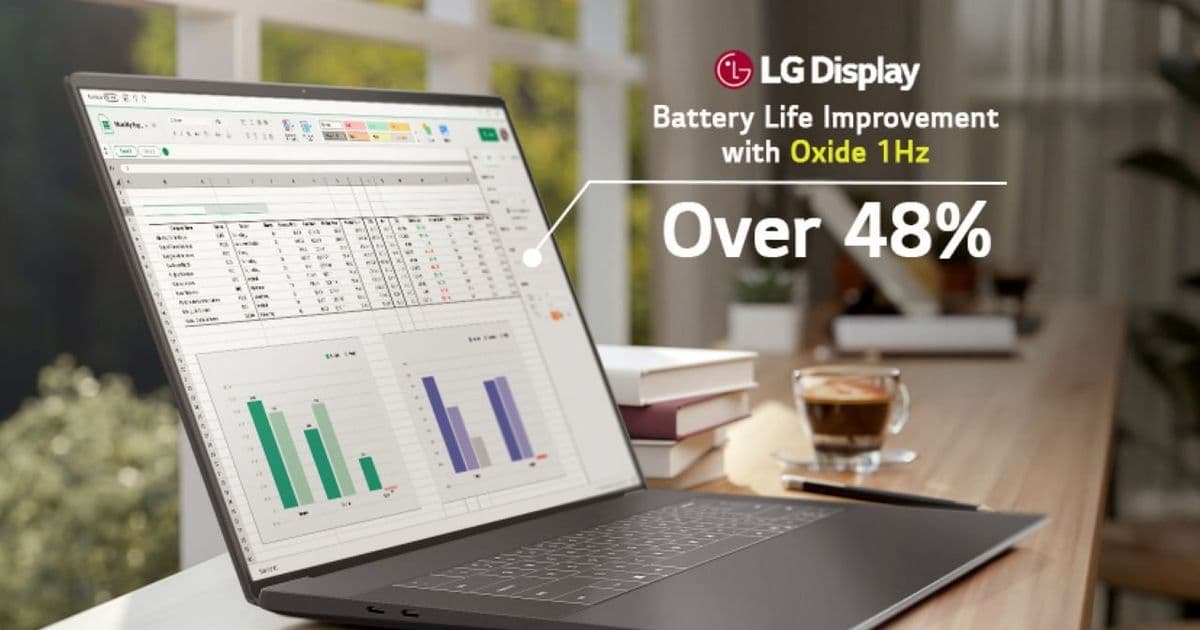
LG has commenced mass production of oxide LCD panels featuring variable refresh rates (120Hz to 1Hz) that deliver up to 48% longer battery life compared to conventional LCD panels. Using an unnamed oxide material that retains electrical charge longer, these panels will first appear in premium Dell XPS laptops before expanding to other devices in 2027, offering significant benefits for power-hungry AI applications and mobile professionals.
LG begins production of variable-refresh oxide LCD panels for laptops with reduced power consumption
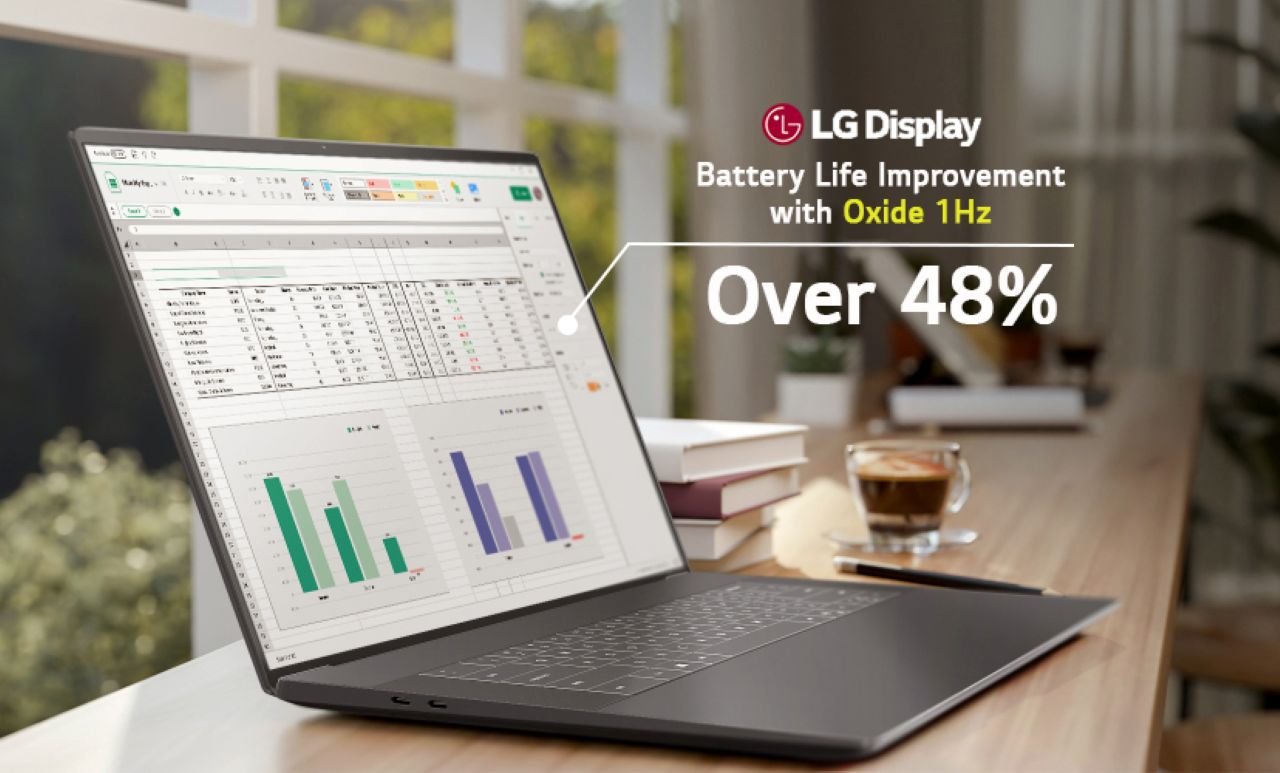
LG Display has announced the start of mass production for a new generation of oxide LCD panels designed specifically for laptops, with a key focus on variable refresh rate technology and significantly reduced power consumption. These panels represent a notable advancement in display technology, particularly as portable devices become increasingly powerful and power-hungry.
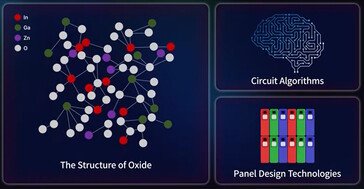
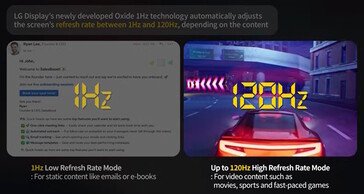
The standout feature of these new panels is their ability to dynamically adjust refresh rates from a standard 120Hz all the way down to 1Hz when displaying static content. This variable refresh capability is made possible by the use of an unnamed oxide material in the panel's construction, which retains electrical charge for longer periods than conventional LCD materials. When combined with additional display algorithms and panel technologies optimized during development, this results in substantial power savings.
According to LG Display, these new panels can provide "48% more use on a single charge" compared to traditional LCD panels. This improvement is particularly significant given the growing power demands of modern applications, especially AI-intensive tasks that are becoming increasingly common on laptops.
How LG's Technology Compares to Existing Solutions
The concept of using oxide materials in LCD panels is not entirely new. Sharp Japan pioneered this technology with its IGZO (Indium Gallium Zinc Oxide) panels, which have been used in various applications including HDTVs, Japanese smartphones like the Sharp Aquos R10, and monitors. These early implementations also offered variable refresh rates and lower power consumption compared to conventional panels.
Chinese panel maker BOE has also been active in this space, demonstrating oxide LCD panels with refresh rates as high as 500Hz for gaming laptops and as low as 1Hz for smartphones. This indicates that multiple manufacturers are recognizing the value of oxide technology in balancing performance and power efficiency.
What sets LG's implementation apart is its focus on the laptop market segment and the specific optimizations made for this form factor. While the basic principle of using oxide materials to improve power efficiency is similar across manufacturers, LG has tailored its solution for the unique requirements of portable computing devices, particularly those running power-hungry AI applications.
The technology represents an interesting middle ground between traditional LCD and emerging OLED displays. Unlike OLED, which offers superior contrast and true blacks but comes with higher manufacturing costs and potential burn-in concerns, oxide LCD panels maintain many of the advantages of LCD technology while adding significant power efficiency improvements.
Who Benefits from This Technology
The primary beneficiaries of LG's new oxide LCD panels will be laptop users who prioritize battery life without sacrificing display quality. The initial deployment in premium Dell XPS laptops suggests that this technology will first appear in high-end devices where users expect both performance and longevity.
For professionals who frequently work away from power outlets, the 48% improvement in battery life could translate into several additional hours of productivity. This is particularly valuable for business travelers, students, and anyone who needs to rely on their laptop throughout the day without access to charging facilities.
The technology holds special significance for users of AI applications and machine learning workloads on laptops. These tasks are notoriously power-intensive, and the ability to significantly extend battery life makes more powerful mobile AI solutions practical. Developers and data scientists who need to run AI models on the go will find these displays particularly beneficial.
Gamers will also appreciate the variable refresh rate technology, which can provide smoother gameplay at high refresh rates when needed and automatically scale down to save power during less demanding moments. This creates a more efficient gaming experience without sacrificing performance during critical moments.
Looking ahead, LG plans to expand production of these panels in 2027, which suggests we can expect wider adoption across more laptop models and potentially other device categories. As manufacturing scales and the technology matures, we may see these power-efficient displays become standard in mid-range laptops as well, rather than limited to premium models.
The introduction of LG's oxide LCD panels comes at a time when laptop manufacturers are increasingly focused on balancing performance with battery life. As processors become more powerful and applications more demanding, display technology that can intelligently manage power consumption becomes increasingly valuable. LG's solution addresses this need directly, offering tangible benefits to end users without requiring compromises in display quality or user experience.
For consumers considering laptop purchases in the coming years, this technology represents an important advancement to watch. The ability to significantly extend battery life while maintaining a high-quality display experience is a compelling proposition that could influence purchasing decisions across the market.
Comments
Please log in or register to join the discussion