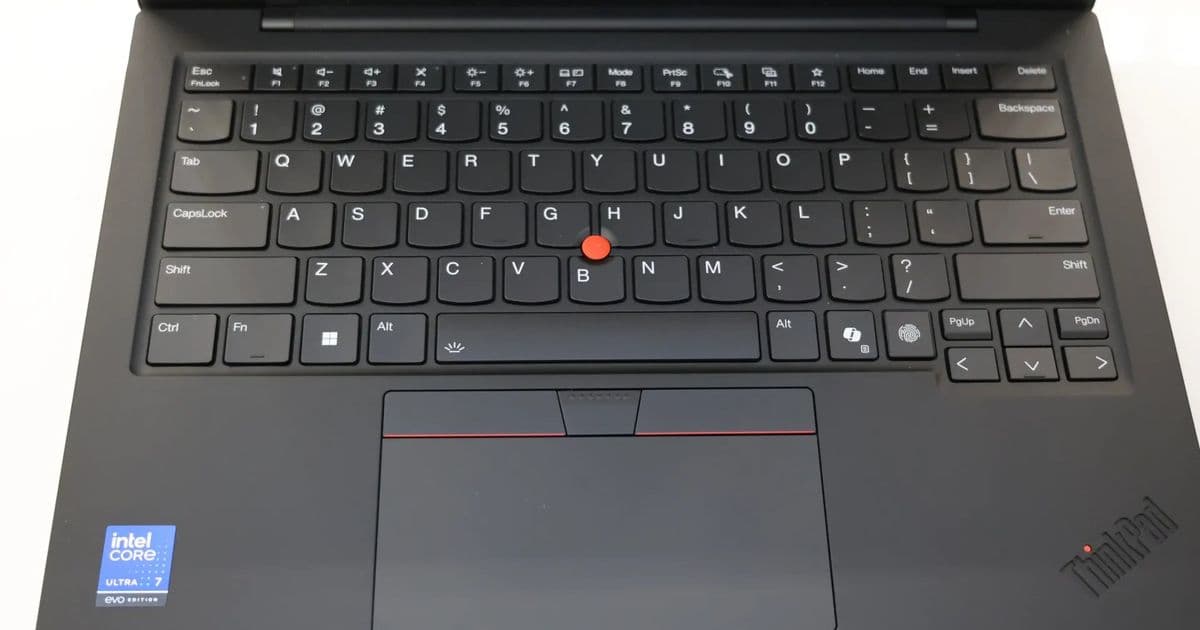
Red Hat's Peter Hutterer has released libinput 1.31 with major improvements for multi-touch gestures and configurable touchpad behavior, addressing long-standing user requests for more flexible input handling on Linux desktops.
Red Hat's input handling expert Peter Hutterer has announced the release of libinput 1.31, bringing significant improvements to the Linux desktop input experience. The update, released overnight, addresses two major pain points for laptop users: configurable timeouts for touchpad behavior and support for fast three-finger swipes even when three-finger drag is enabled.
Fast Three-Finger Swipes Finally Supported
One of the most notable changes in libinput 1.31 is the ability to use fast three-finger swipes while three-finger drag functionality remains active. Previously, enabling three-finger drag meant sacrificing three-finger swipe gestures entirely, as the physical finger movements for both gestures were identical.
Hutterer explains the technical solution: "We now support fast 3fg swipes when 3fg drag is enabled. Previously, enabling 3fg drag meant 3fg swipe was no longer available since the finger movement for both is physically identical. However, swipe gestures are tightly integrated into some desktops so we now support a 'fast swipe': three fingers that move quickly and immediately trigger a swipe, not a 3fg drag. The timeout is intentionally quite short, the drag is still the primary feature."
The implementation uses a timing mechanism to distinguish between the two gestures. When three fingers move quickly across the touchpad, the system interprets this as a swipe gesture rather than initiating a drag operation. This change applies to both three-finger and four-finger gestures, providing more flexibility for power users who rely on multi-touch shortcuts.
Configurable Timeouts for Touchpad Behavior
Another significant improvement in libinput 1.31 is the addition of configurable timeouts for two common laptop touchpad features: disable-while-typing and disable-while-trackpointing. These features prevent accidental cursor movement while typing or using a TrackPoint, but the fixed timeout periods often frustrated users who found them either too short or too long.
With this release, users and desktop environments can now adjust these timeout values to better match their typing speed and workflow preferences. This level of customization has been a long-requested feature, particularly for users who type at varying speeds or use different keyboard layouts that affect typing patterns.
Technical Improvements and New APIs
Beyond the user-facing features, libinput 1.31 includes several technical enhancements and new APIs that will benefit developers and advanced users. While the release announcement doesn't detail all the changes, the library continues its tradition of incremental improvements that enhance the overall input handling experience on Linux systems.
The update affects both X.Org and Wayland desktop sessions, maintaining libinput's position as the standard input handling library across the Linux desktop ecosystem. This consistency ensures that improvements benefit users regardless of their display server choice.
Impact on Linux Desktop Experience
These changes in libinput 1.31 represent a significant step forward in making Linux touchpads more competitive with other operating systems. The ability to use both three-finger drag and swipe gestures addresses a common complaint from users switching from macOS or Windows, where such gestures are more flexible.
The configurable timeouts also bring Linux closer to the level of customization that power users expect from their operating system. Being able to fine-tune touchpad behavior to match individual typing styles and preferences is a welcome improvement for laptop users who spend significant time in the Linux desktop environment.
Availability and Implementation
As with previous libinput releases, the changes will be integrated into major Linux distributions over the coming weeks. Desktop environments will need to update their gesture handling code to take advantage of the new fast swipe functionality, but the configurable timeouts should be immediately available through existing touchpad settings interfaces.
Users can expect to see these improvements in upcoming releases of popular desktop environments like GNOME, KDE Plasma, and others that rely on libinput for touchpad and touchscreen input handling. The changes demonstrate the continued investment in improving the Linux desktop experience, particularly for laptop users who depend on precise and flexible input handling.
Comments
Please log in or register to join the discussion