
The open-source framework developer and a data center operator are combining to create a vertically integrated AI cloud, betting that controlling both software and infrastructure will be key to serving the next wave of AI companies.
In a move that underscores the intense competition for AI compute resources, Lightning AI—the company behind the popular open-source PyTorch Lightning framework—has merged with data center operator Voltage Park. The combined entity, which will operate under the Lightning AI name, is valued at $2.5 billion and aims to create a vertically integrated "AI cloud" by managing both the software layer and the physical infrastructure needed to train and run large models.
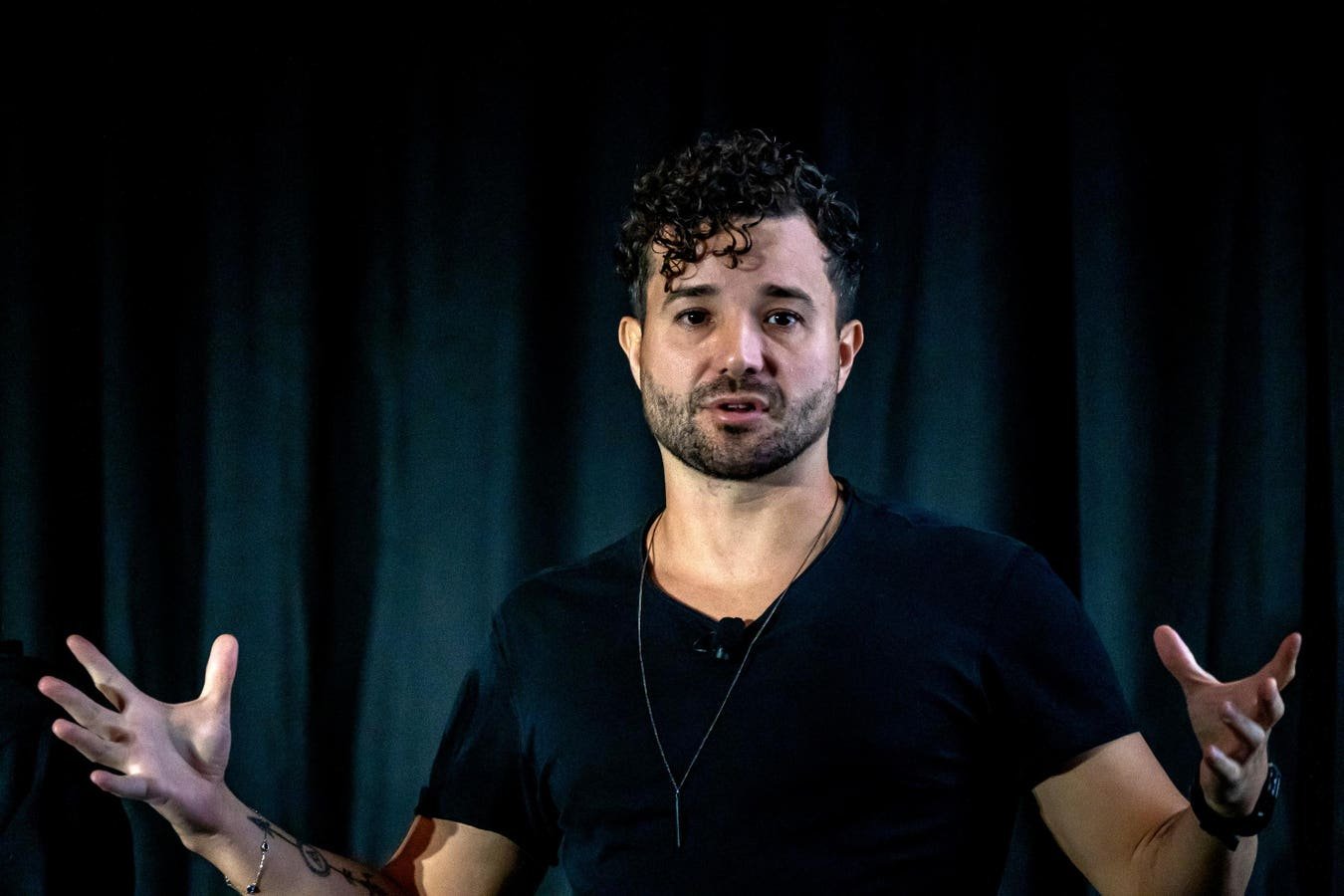
The merger brings together two distinct parts of the AI stack. Lightning AI, founded by William Falcon, built its reputation on simplifying the process of building and training deep learning models with PyTorch. Its framework is used by thousands of developers and researchers, including teams at major tech companies. Voltage Park, on the other hand, is a data center operator that has been building out compute capacity specifically for AI workloads. The company, backed by crypto billionaire Jed McCaleb, has been leasing GPU clusters to AI startups and labs.
By merging, the new company claims it will manage over 35,000 Nvidia GPUs across six data centers. This scale is significant—while major cloud providers like AWS, Google Cloud, and Azure operate at a much larger scale, the dedicated focus on AI workloads and the integration with a popular developer framework could offer a differentiated service. The combined entity will offer a full stack: from the software tools developers use to build models, to the compute infrastructure those models run on.
The deal reflects a broader trend in the AI infrastructure market. As AI models grow larger and more complex, the bottleneck has shifted from algorithmic innovation to raw computational power and the efficiency of using it. Companies that can optimize the entire pipeline—from code to silicon—are positioning themselves as critical partners for AI development. Lightning AI's framework already helps developers optimize model training; now, it can potentially offer those optimizations as a service on its own hardware.
For Voltage Park, the merger provides a direct channel to a large developer community. Instead of simply leasing generic GPU time, it can offer specialized services tailored to PyTorch Lightning users, potentially including pre-configured environments, optimized libraries, and support for specific model architectures. This could reduce the friction for startups and researchers who need compute but lack the expertise to manage large-scale GPU clusters efficiently.
The $2.5 billion valuation suggests investors believe there's a substantial market for such a vertically integrated offering. While the cloud AI market is dominated by hyperscalers, there's growing demand for specialized providers that understand the specific needs of AI workloads. These needs include high-bandwidth interconnects for distributed training, fast storage for large datasets, and software stacks optimized for deep learning frameworks.
The merger also highlights the ongoing consolidation in the AI infrastructure space. As capital flows into AI startups, the demand for compute has skyrocketed, leading to a rush to secure GPU supply and build data center capacity. Companies that can secure long-term access to hardware and offer competitive pricing will have an advantage. Lightning AI and Voltage Park are betting that by combining their resources, they can compete with larger players by offering a more cohesive experience.
However, challenges remain. The AI cloud market is intensely competitive, with established players continuously expanding their offerings. New entrants must not only secure hardware (which is in short supply) but also demonstrate reliability, security, and performance at scale. Additionally, the integration of two different company cultures and technical stacks is non-trivial. Lightning AI's software expertise and Voltage Park's infrastructure experience will need to align seamlessly to deliver on the promise of a unified platform.
For developers and AI teams, this merger could offer an alternative to the major cloud providers. If Lightning AI can leverage its framework to create a seamless experience from development to deployment, it might attract users who value simplicity and integration over the breadth of services offered by hyperscalers. The company's open-source roots could also play a role, potentially offering more transparency and control compared to proprietary platforms.
The timing of the merger is also notable. With AI models becoming more complex and the demand for compute continuing to grow, the market for specialized AI infrastructure is expanding rapidly. Companies that can offer cost-effective, high-performance solutions are well-positioned to capture market share. Lightning AI and Voltage Park are making a bold bet that the future of AI development will be shaped not just by algorithms, but by the infrastructure that supports them.
As the merged company moves forward, the key questions will be how quickly it can scale its operations, whether it can maintain a competitive edge in pricing and performance, and how effectively it can integrate its software and hardware offerings. For now, the deal represents a significant step toward a more integrated AI ecosystem, where the lines between software and infrastructure continue to blur.
Comments
Please log in or register to join the discussion