Linus Torvalds has stripped Bcachefs filesystem support from the Linux 6.18 kernel, removing 117k lines of code following its 'externally maintained' designation. This forces users to rely solely on DKMS modules for future compatibility, highlighting the challenges of experimental filesystem integration. The move signals stricter maintenance requirements for core kernel components.
In a decisive move for Linux storage infrastructure, Linus Torvalds has completely removed the Bcachefs filesystem code from the mainline Linux kernel. This surgical excision follows the filesystem's controversial "externally maintained" designation in Linux 6.17 and marks the end of its rocky journey within the kernel tree.
The Final Cut
Torvalds executed the removal with a terse commit message explaining the rationale:
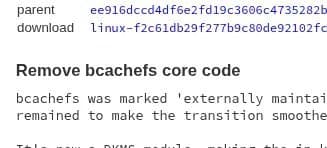
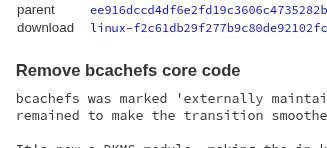
"bcachefs was marked 'externally maintained' in 6.17 but the code remained to make the transition smoother. It's now a DKMS module, making the in-kernel code stale, so remove it to avoid any version confusion."
The deletion eliminates 117,000 lines of code and severs the ability to boot mainline kernels with the now-stale in-tree implementation. Bcachefs users must now exclusively rely on DKMS (Dynamic Kernel Module Support) modules maintained outside the kernel—a significant operational shift.
Background: A Filesystem's Turbulent Journey
Bcachefs—a copy-on-write filesystem promising advanced features like built-in compression, encryption, and multi-device support—had a contentious path to kernel inclusion. After years of development and debate, it was finally merged in 2023. However, ongoing maintenance challenges and disagreements about code quality led to its "externally maintained" status just months ago.
Implications for Developers and Enterprises
This removal carries concrete technical consequences:
- Boot Compatibility: Systems relying on in-kernel Bcachefs support in Linux 6.17 will break when upgrading to 6.18+
- Maintenance Burden: Administrators must now manage DKMS builds across kernel updates
- Testing Complexity: Filesystem validation shifts entirely to the Bcachefs team without kernel CI infrastructure
- Adoption Headwinds: Enterprise users often avoid out-of-tree modules due to support and security concerns
Why This Matters Beyond Bcachefs
Torvalds' decision reinforces critical principles of Linux kernel development:
- Maintainability Over Features: Experimental code must prove sustainable to remain in-tree
- Tree Hygiene: Stale or unmaintained code risks kernel stability and security
- Clear Ownership: "Externally maintained" is a temporary state, not a permanent compromise
The move signals that novel filesystems—even technologically promising ones—face steep operational requirements for long-term kernel inclusion. As storage demands explode, this episode may influence how future storage innovations navigate the kernel's exacting standards.
Source: Phoronix (Michael Larabel)
Comments
Please log in or register to join the discussion