The Linux kernel maintainer eliminates a long-standing configuration option that was flooding logs with unseeded randomness warnings, potentially hiding important boot messages.
Linus Torvalds has removed the WARN_ALL_UNSEEDED_RANDOM Kconfig option from the Linux kernel, eliminating a source of excessive log spam that was obscuring important system messages. The change came shortly after the Linux 7.0-rc1 release, as Torvalds addressed a bug report where kernel logs were overwhelmed with randomness warnings.

The WARN_ALL_UNSEEDED_RANDOM option had been part of the kernel for many years, originally introduced as DEBUG_RANDOM_BOOT and later renamed through several iterations. Its purpose was noble: to warn developers when kernel code used random number generation before the system's Cryptographically Random Number Generator (CRNG) was fully seeded. This helped identify potential security issues where randomness might be predictable during early boot.
However, the option created more problems than it solved. On systems with certain CPU configurations, the warnings became an endless stream of messages. Torvalds explained that when people don't address the initial rate-limited warnings, they certainly won't care about the additional ones either. The non-rate-limited reporting actually hid real information when things went wrong.
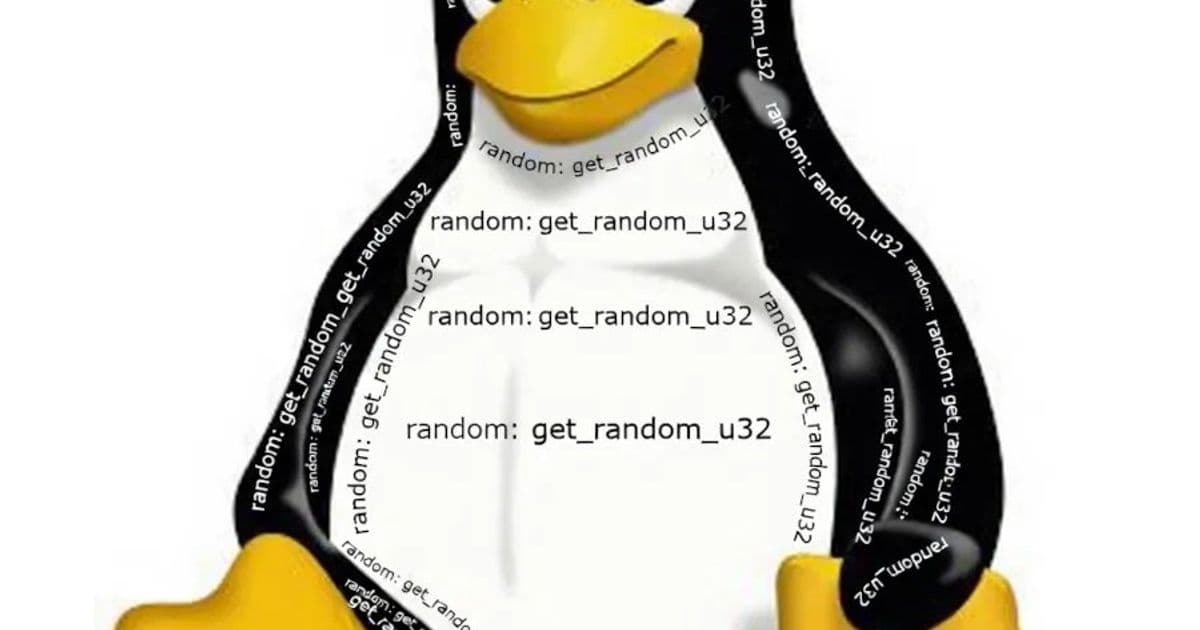
In one particularly problematic case, Torvalds encountered a bug report where two-thirds of the truncated dmesg output consisted of variations of "random: get_random_u32 called from __get_random_u32_below+0x10/0x70 with crng_init=0." The flood of randomness warnings had caused early boot messages to be lost entirely, making debugging more difficult.
Torvalds argues that proper debugging of these issues should use boot-time tracing instead, which provides call graphs and other detailed information needed for fixing problems. The kernel's documentation now points developers to Documentation/trace/boottime-trace.rst for this capability.
This change reflects a broader philosophy in kernel development: removing features that sound useful but create more noise than value. The patch demonstrates Torvalds' willingness to eliminate long-standing options when they prove counterproductive to the kernel's primary goal of reliable system operation.
The removal of WARN_ALL_UNSEEDED_RANDOM is part of a weekend of kernel work that also included introducing the default_gfp() helper macro and adapting existing kernel code to use it. These changes, while less visible to end users, continue the ongoing refinement of the kernel's internal APIs and debugging capabilities.
For system administrators and developers, this change means cleaner kernel logs and fewer false alarms. The actual security issues the option was designed to catch can still be found through proper tracing methods, but casual users won't be bombarded with warnings about unseeded randomness during normal system operation.
The patch serves as a reminder that even well-intentioned debugging features can become liabilities when they generate excessive noise, potentially hiding the very problems they were meant to help diagnose.
Comments
Please log in or register to join the discussion