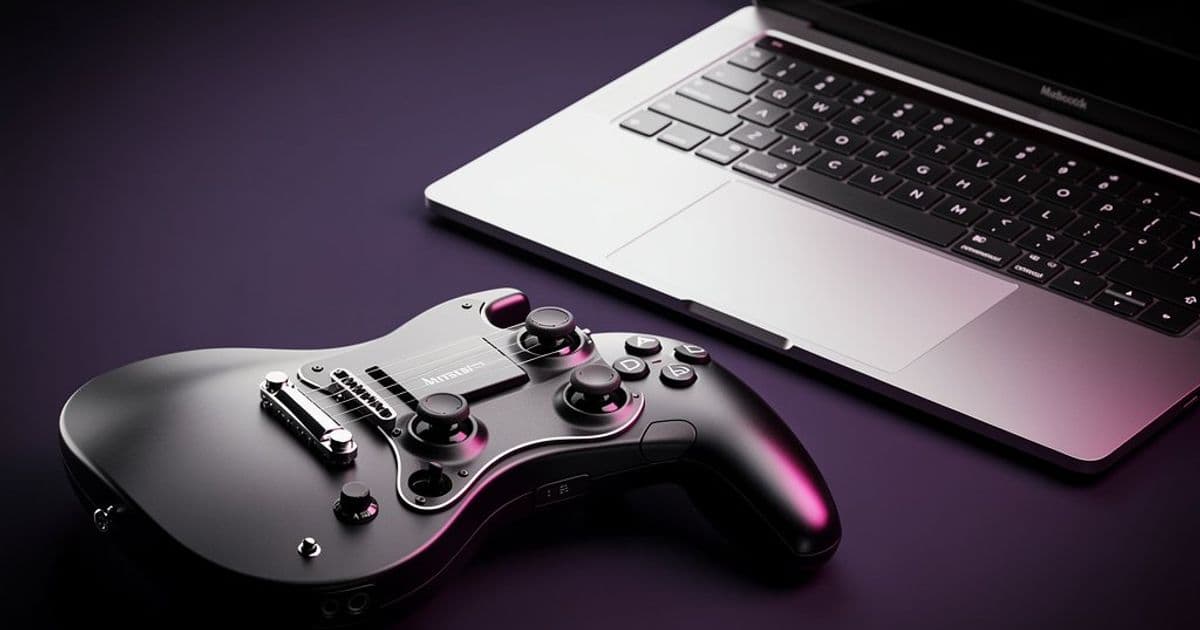
The upcoming Linux kernel merge window will bring a wave of HID subsystem improvements, including native support for several popular Bluetooth gaming guitars and critical fixes for laptop keyboard and touchpad quirks.
The Linux kernel's Human Interface Device (HID) subsystem is preparing for a significant update ahead of the 6.20~7.0 merge window in February. A series of patches queued in the hid.git for-next branch address a diverse range of hardware, from niche gaming peripherals to essential laptop functionality. This update underscores the kernel's ongoing effort to provide out-of-the-box support for a wide array of input devices, reducing the need for users to manually configure or patch their systems.
Gaming Guitar Support Expands
For gamers and music enthusiasts using Rock Band 4 controllers on Linux, the upcoming kernel release is particularly noteworthy. The HID subsystem will gain native support for two additional Bluetooth-connected guitar controllers:
- PDP Jaguar & MadCatz Stratocaster (PS4): These popular Rock Band 4 guitars will now be recognized and function correctly without third-party drivers.
- DP RiffMaster & CRKD Gibson SG (PS4/PS5): Support is also being added for these specific models, expanding compatibility for users of the latest Rock Band hardware.
This is a direct win for the Linux gaming community, which has historically relied on community-maintained drivers like xboxdrv or custom udev rules to get game controllers working. With these patches, the kernel itself handles the device enumeration and input mapping, providing a more seamless experience. For those interested in the technical details, the patches can be reviewed in the Linux HID subsystem Git repository.
Critical Laptop and Peripheral Fixes
Beyond gaming peripherals, the update tackles several quality-of-life and functionality issues for laptops and mice:
- ASUS ProArt P16 Fn Lock: The ASUS HID driver is gaining Fn lock support for the ProArt P16 laptop. This allows users to toggle the function key behavior (F1-F12 vs. media keys) directly from the keyboard, a feature often missing or inconsistent in Linux laptop support.
- Lenovo Yoga Book 9i Touchscreen Quirks: The HID-Multitouch driver is receiving quirks specifically for the Lenovo Yoga Book 9i, a dual-screen laptop. These quirks ensure the touchscreens work correctly, addressing potential issues with touch detection, gesture recognition, or screen orientation that can arise with non-standard hardware configurations.
- SONiX KN85 Keyboard Function Keys: A fix is being applied to the Apple HID driver to properly support the function keys on the SONiX KN85 keyboard. This is a targeted fix for a specific keyboard model that was previously experiencing issues with its function row.
- RAPOO 0x2015 Mouse Side Buttons: A new, 101-line driver (
hid-rapoo) is being introduced to enable the side buttons on the RAPOO 0x2015 mouse. Without this driver, these buttons were non-functional under Linux, highlighting the importance of these small, specific drivers for peripheral support.
The Broader Pattern: Mainstreaming Niche Hardware
These updates follow a consistent pattern in Linux kernel development: as hardware becomes more specialized, the kernel must adapt to support it natively. The inclusion of gaming guitar drivers is a prime example. While these devices are niche compared to standard keyboards and mice, they represent a significant user base within the gaming community. By integrating this support directly into the kernel, the Linux ecosystem becomes more accessible to a wider audience, reducing friction for users who might otherwise be forced to dual-boot or use workarounds.
For system builders and homelab enthusiasts, these changes are a reminder of the importance of checking kernel version compatibility when selecting hardware. A new laptop or peripheral might require a newer kernel to function fully. Tools like evtest and libinput can be used to diagnose input device issues, but often, the solution is simply waiting for the next kernel release.
The full set of patches is available for review in the HID subsystem's for-next branch. As the merge window approaches, more patches will likely be added, but this initial batch already promises a more polished and compatible input experience for Linux users in the 6.20~7.0 cycle.
Comments
Please log in or register to join the discussion