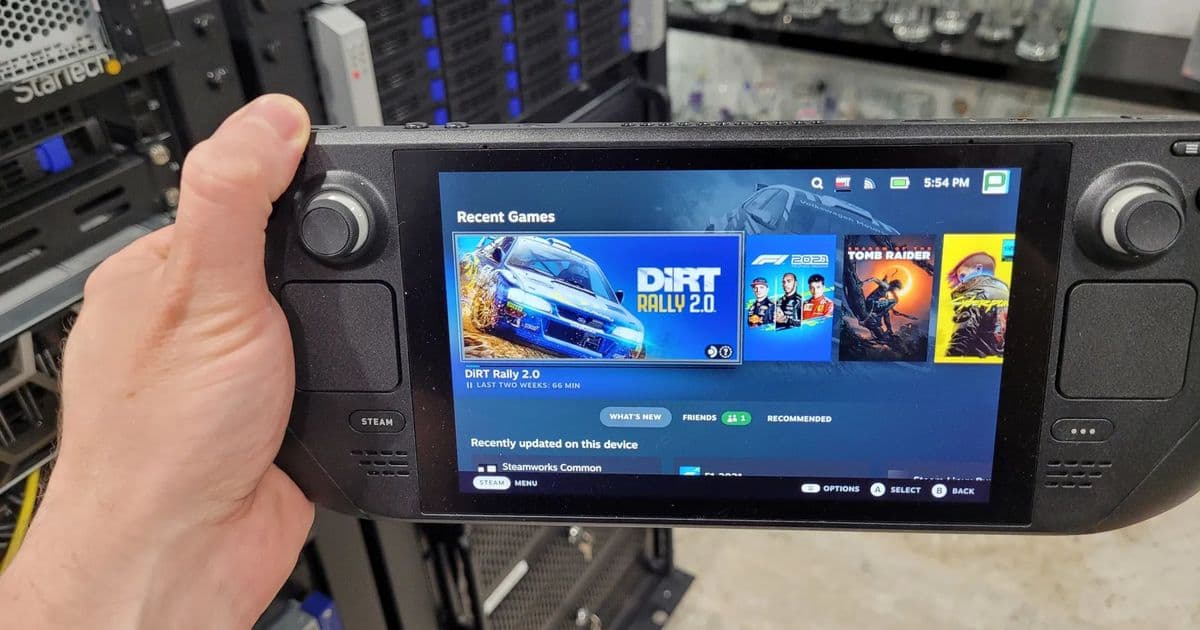
The Linux 7.0 kernel introduces a critical EFI framebuffer quirk for Valve's Steam Deck, ensuring proper display orientation and preventing rendering corruption.
The Linux 7.0 kernel development cycle has reached a significant milestone with the merging of EFI subsystem updates, including a crucial fix specifically designed for Valve's Steam Deck handheld gaming device. This change addresses a long-standing issue with framebuffer rendering that could cause display corruption on the popular portable gaming platform.
The core of the problem lies in the Steam Deck's unique display configuration. The device features an 800x1280 portrait-oriented screen that's physically mounted in landscape orientation. This unconventional setup creates complications for the firmware and operating system interaction, particularly during the boot process.
When the Steam Deck's firmware detects the need to display boot menus or other early-stage graphics, it offers a software-rotated 1280x800 mode. While this might seem like a reasonable solution, it creates a significant problem for the frame-buffer drivers. If the system selects this rotated mode, the framebuffer drivers perceive it as the actual display mode, leading to corrupted console rendering.
Tvrtko Ursulin of Igalia identified and resolved this issue with a targeted quirk implementation. The fix works by detecting this specific software-rotated mode and automatically converting it back to the native 800x1280 portrait orientation. This ensures that the DRM-based framebuffer drivers can correctly identify the actual display configuration and apply the appropriate panel orientation settings.
The technical implementation involves modifying the EFI framebuffer code's handling of width and height swapping. When the system encounters the exact mode signature that indicates software rotation, it applies the corrective transformation. This allows the console to render properly in landscape orientation without any visual artifacts or corruption.
This fix is particularly important for the Steam Deck's user experience. The device relies heavily on proper console rendering during boot sequences, recovery modes, and system maintenance operations. Without this correction, users might encounter garbled text, distorted graphics, or complete display failures during critical system operations.
The Linux 7.0 kernel represents the next major version in the mainline kernel development, and this Steam Deck-specific fix demonstrates the ongoing commitment to supporting specialized hardware configurations. The EFI subsystem changes also include various other improvements and bug fixes that benefit a wide range of systems beyond just the Steam Deck.
For Steam Deck users and Linux enthusiasts, this update provides peace of mind knowing that the kernel is evolving to handle increasingly complex hardware configurations. The fix exemplifies the collaborative nature of open-source development, where community members like Ursulin can identify specific issues and implement targeted solutions that benefit the entire ecosystem.

The timing of this fix is particularly relevant as Steam Deck continues to gain popularity in the handheld gaming market. With more users relying on the device for both gaming and general computing tasks, ensuring robust system-level support becomes increasingly important. This kernel enhancement contributes to the overall stability and reliability of the Steam Deck platform.
Looking ahead, this type of hardware-specific optimization suggests that the Linux kernel development community remains responsive to the needs of emerging device categories. As handheld gaming devices and other specialized hardware continue to evolve, we can expect to see more targeted improvements like this one that address unique hardware challenges.
The EFI framebuffer quirk for Steam Deck serves as a reminder of the complexity involved in supporting diverse hardware configurations within a unified operating system kernel. What might seem like a simple display orientation issue actually requires careful consideration of firmware behavior, driver expectations, and rendering pipelines to resolve effectively.
For developers working on Steam Deck-related projects or Linux distributions targeting handheld devices, this kernel change provides a solid foundation for building reliable user experiences. The fix eliminates a potential source of confusion and frustration that could have impacted system administration and troubleshooting tasks on the platform.
As Linux 7.0 moves closer to its official release, users can anticipate not only this Steam Deck-specific improvement but also the broader enhancements that typically accompany major kernel version updates. The combination of general improvements and targeted hardware support continues to make Linux an attractive platform for both traditional computing and emerging device categories.
Comments
Please log in or register to join the discussion